
Focus On: (31) Euphrosyne
Name origin: Greek; one of the three Kharites and goddess of good cheer, mirth, merriment and joy. Her name is the feminine form of the Greek word euphrosynos meaning “merriment”.
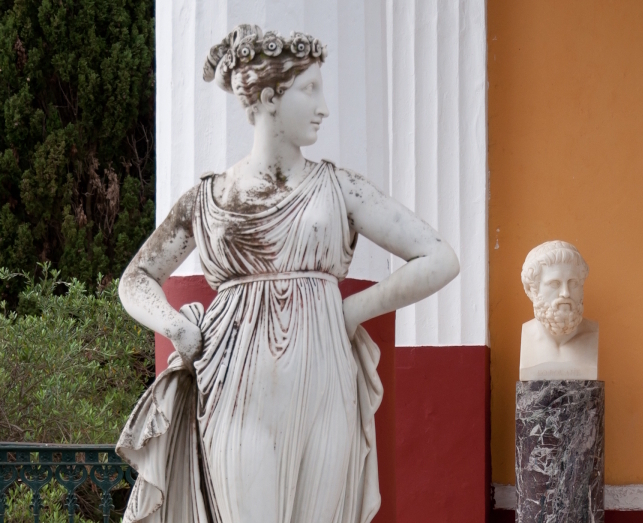
Name origin: Greek; one of the three Kharites and goddess of good cheer, mirth, merriment and joy. Her name is the feminine form of the Greek word euphrosynos meaning “merriment”.
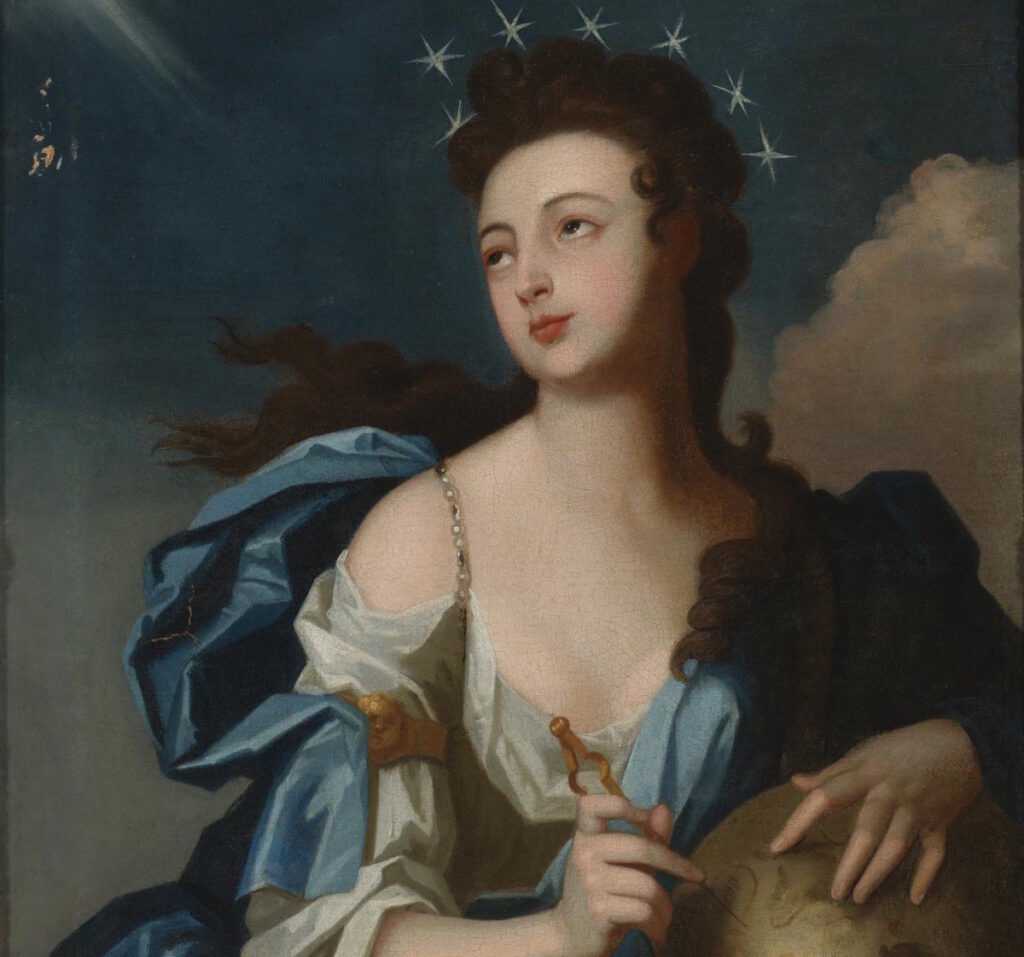
Name origin: Greek Muse of astronomy and astronomical writings. Ourania was often depicted pointing at a celestial globe with a rod. The astrological symbol represents compass calipers.
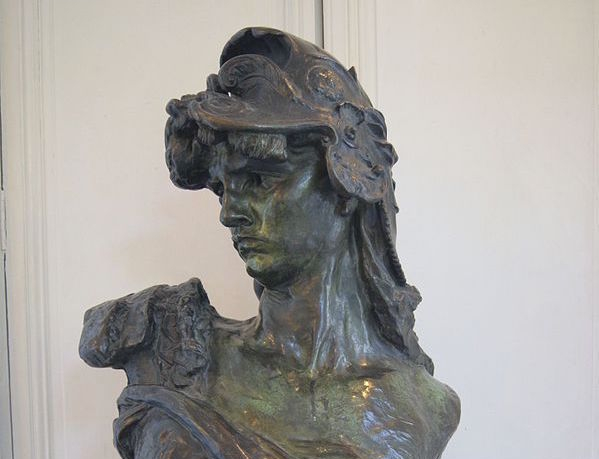
Name origin: Roman goddess of war; the name was chosen to mark the beginning of the Crimean War. Bellona is known for her temple outside of Rome being the official decision making centre in regards to war.
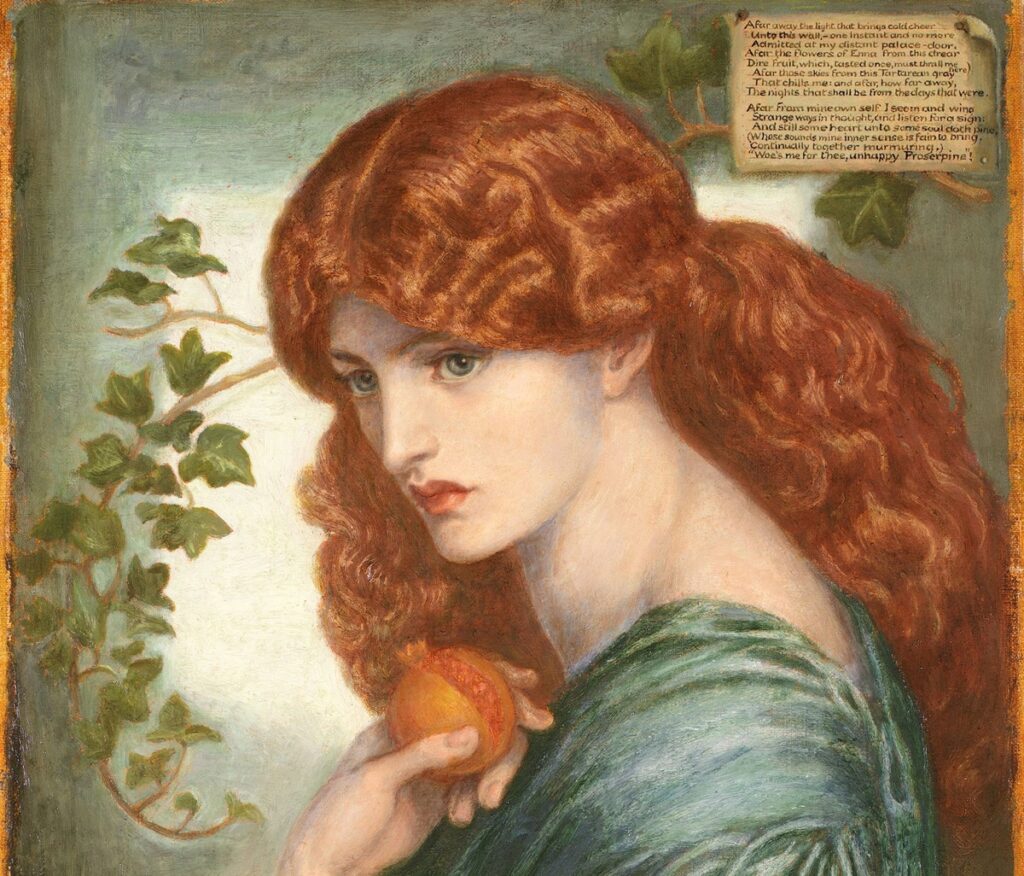
Name origin: Roman goddess and queen of the underworld. Equivalent of the Greek Persephone, with virtually identical mythology. She was combined with, or replaced, the ancient Roman fertility goddess Libera.

Phocaea or Phokaia (modern-day Foça in Turkey) was a city on the western coast of Anatolia. Greek colonists from Phocaea founded the city of Massalia (Marseille), from where the asteroid was discovered.

Name origin: Greek Titan goddess of divine law and order. Themis presides specifically over the traditional rules of conduct first established by the gods. She was also a prophetic goddess who presided over the most ancient oracles, including Delphi.

Name origin: Ancient Greek muse of comedy and bucolic poetry. ‘Thalia’ translates to “Rich Festivity” or “Blooming”. Possibly, with Apollo, parent of the Korybantes, worshippers of Cybele.

Name origin: Ancient Greek Muse of eloquence and epic poetry. Kalliope was the eldest of the Muses, depicted in older art with a lyre, and later with a tablet and stylus or a scroll.

Name origin: Latin name for the French city of Marseille, from which the independent discover Jean Chacornac sighted it the night following de Gasparis’ discovery.
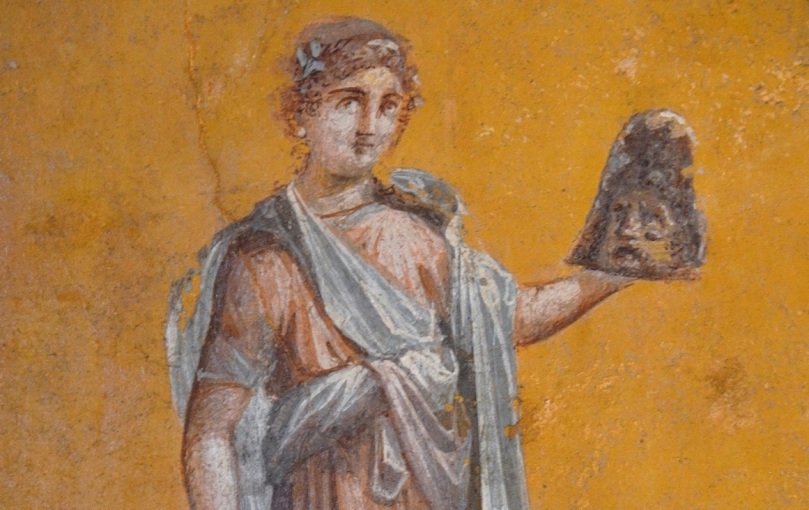
Name origin: Greek muse of tragedy. Literal translation: ‘to sing’ or ‘the one that is melodious’; initially the muse of chorus.