
Focus On: (4580) Child
Name origin: Jack B. Child (b. 1951), software engineer at JPL and Asteroid Project director of the World Space Foundation; honoured for his “generous helpfulness” and for introducing team members to the Palomar project.

Name origin: Jack B. Child (b. 1951), software engineer at JPL and Asteroid Project director of the World Space Foundation; honoured for his “generous helpfulness” and for introducing team members to the Palomar project.

Named for the ancient Indian philosophical principle of cause and effect: good actions and intent have good consequences; bad actions and intent have bad consequences. This can also refer to how a person’s actions affect who they become. (Note that the various theories of karma are generally much more complex than in popular media descriptions.)
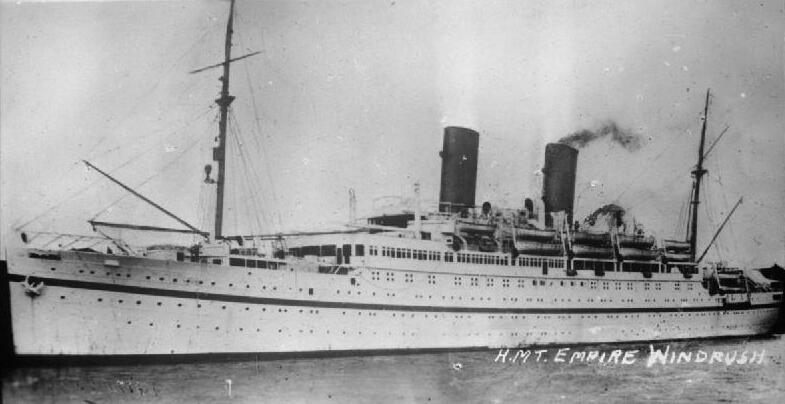
Probably named for the Monterosa, a ship used by the University of Hamburg on their outings on the North Sea.
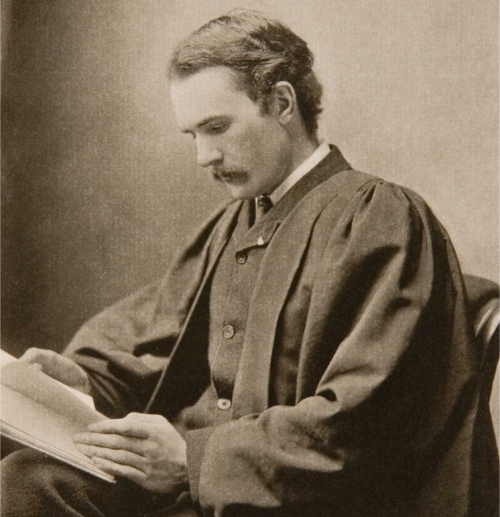
Australian-British professor Gilbert Murray (1866-1957) helped Austria recover from World War I in 1920. He was an outstanding scholar of Ancient Greek literature, language and culture. Involved in the League of Nations from 1916, he was also president of the Ethical Union (now Humanists UK) in 1929 and 1930, and a founder of Oxfam.
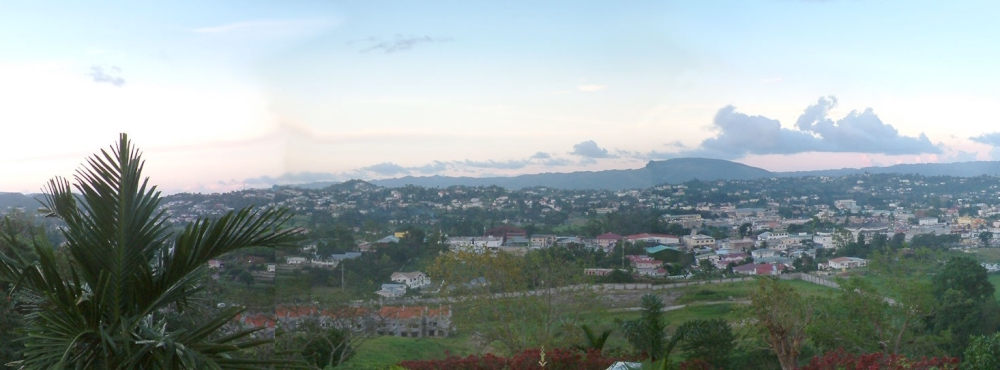
Mandeville is the capital and largest town in the parish of Manchester in Middlesex, Jamaica. It was laid out in 1816, and named after Viscount Mandeville, the eldest son of the Duke of Manchester, who was then governor of Jamaica.
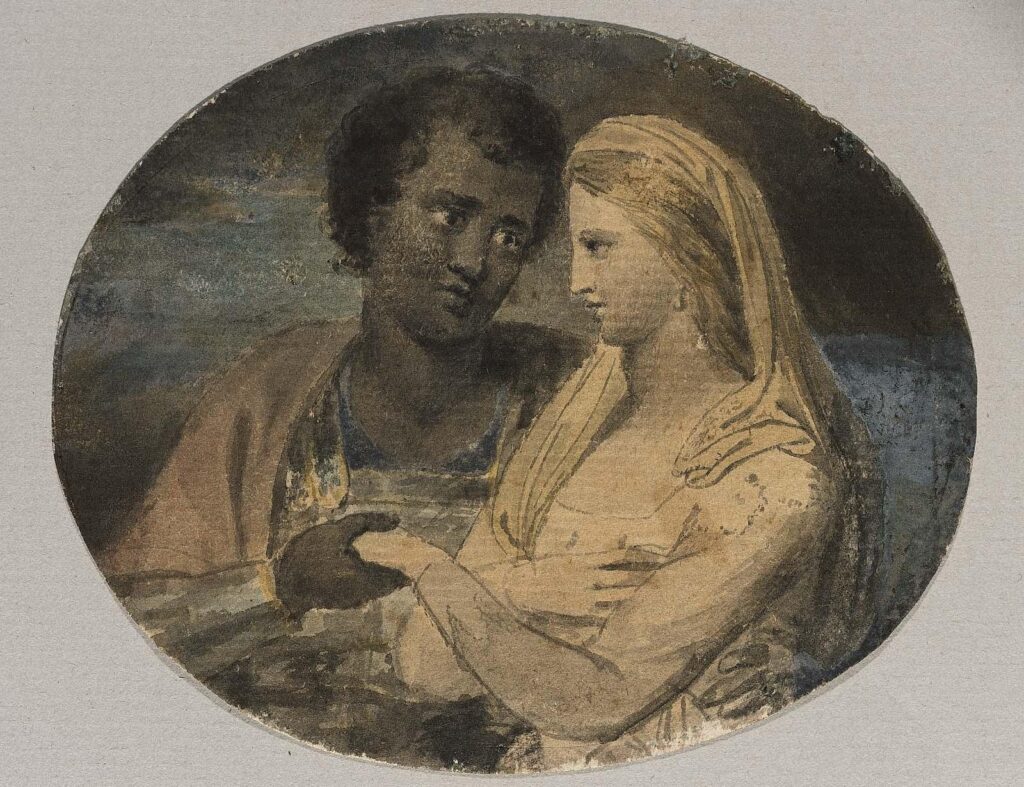
Name origin: Desdemona, character in Shakespeare’s Othello. The name may have been inspired by the asteroid’s provisional designation, containing the letters “DM”. Desdemona is the faithful wife of Othello whose reputation is muddied by the villain Iago.
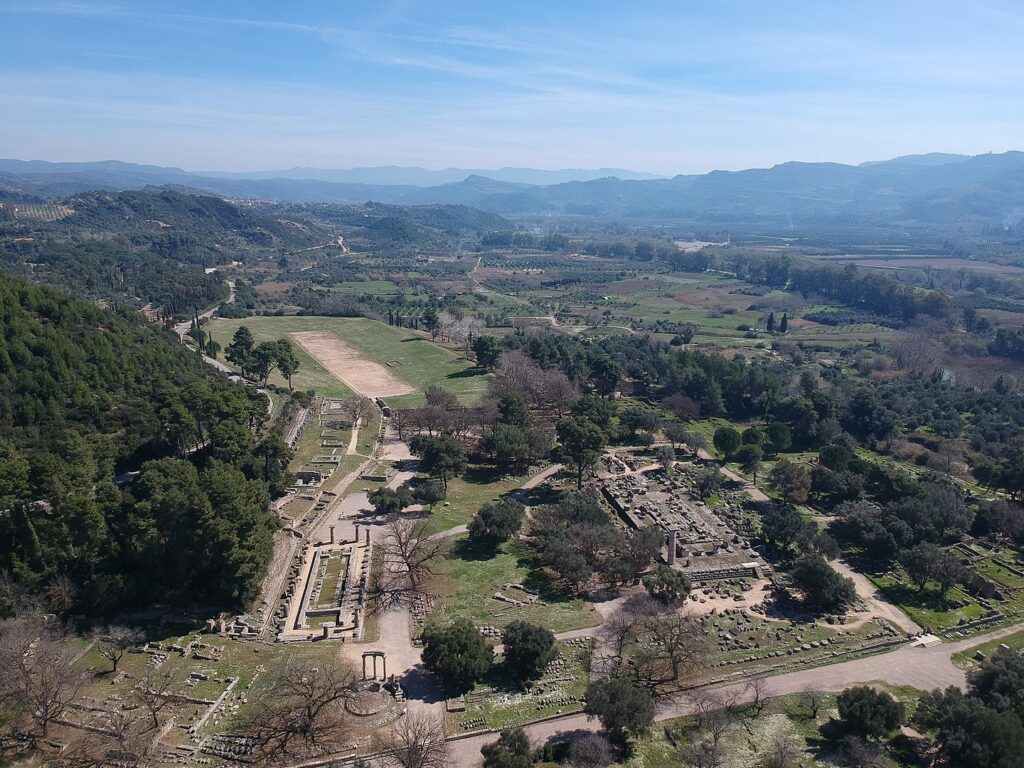
Olympia, officially Archaia Olympia, was a Panhellenic religious sanctuary in ancient Greece, where the early Olympic Games were held from the 8th century BCE to the 4th century CE, before being restored in 1894. The games were held in the name of Zeus, and drew visitors from the entire Greek world

Name origin: The large forests that the discoverer loved to explore throughout his life; initially as a young boy in Massachusetts; then (once in Germany) around Heidelberg, as well as the Black Forest and the Odenwald. The name is Latin for ‘forest lands’.

Name origin: A region in north-east Italy named Veneto or the Venetia, which has Venice as its capital. Residents mostly speak Venetian as well as Italian, and there is a notable Venetian independence movement (Venetism).
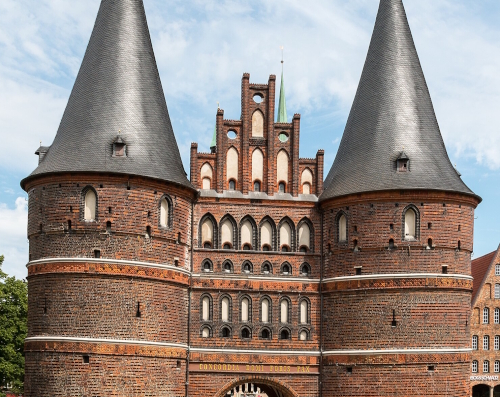
Name origin: The Hanseatic League, a northern continental European commercial and defensive confederation of cities. The word ‘hansa’ or ‘hanse’ means ‘convoy’ in Old German, and refers to the merchants travelling between points in the League. While the area was not generally independent, it was influential and had diplomatic privileges. Some of the Gothic architecture remains.