Focus On

One-stop database of gathered information on the minor planets, including discovery data, astrological delineations and more. (Note: As I’m very very Virgoesque, posts are dated according to the MPC number and will appear in reverse order accordingly. You can also browse the Focus On index page or filter using the subcategories and tags.)

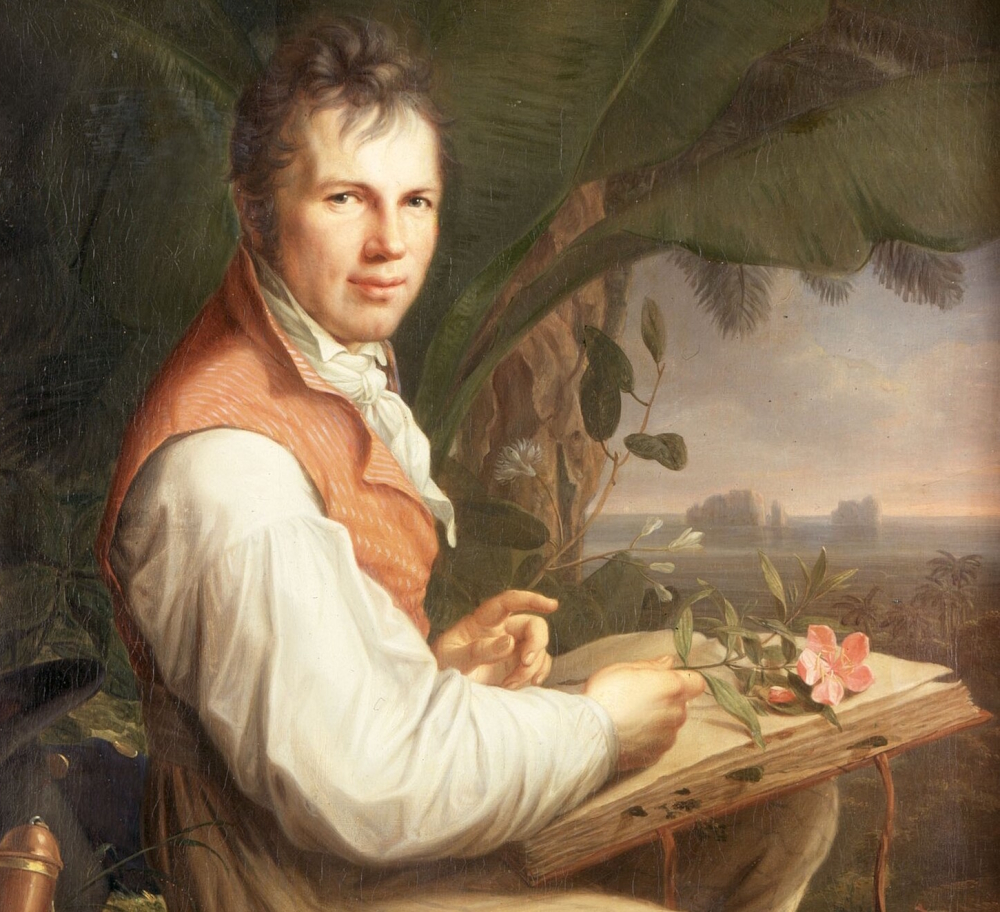
Detail from portrait of Alexander von Humboldt (1806) by Friedrich Georg Weitsch.
Aquarius discovery, Asteroids, Central main belt objects, Focus On, Main belt objects

Focus On: (54) Alexandra

Alexander von Humboldt (1769-1859), a German polymath whose work pioneered or foreshadowed biogeography, modern geomagnetic and meteorological monitoring, ecology and holistic views of the universe. He also helped establish geography as an independent scientific discipline.
Focus On: (54) Alexandra Read Post »

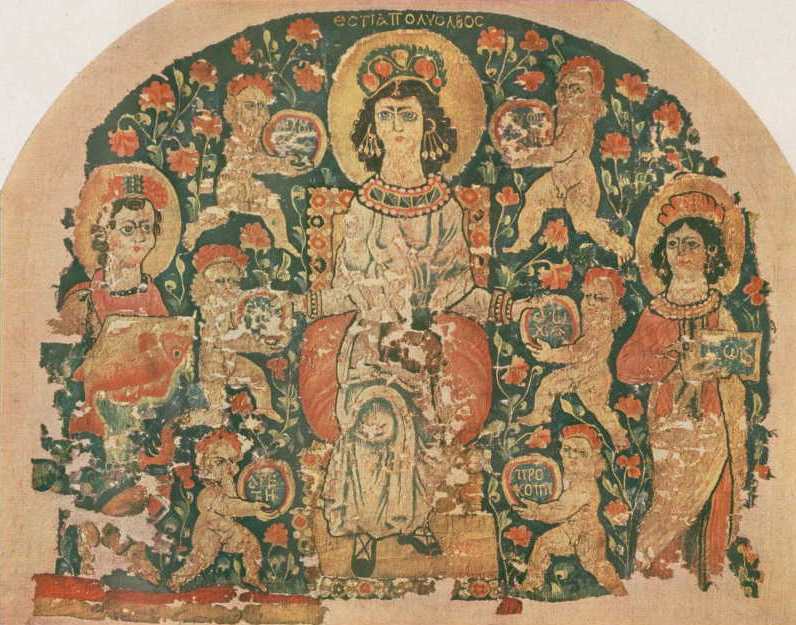
Hestia full of Blessings, 6th century tapestry from Egypt depicting Hestia seated on a throne, centre, giving out blessings in the form of pomegranates.
Aquarius discovery, Asteroids, Central main belt objects, Focus On, Hestia clump, Main belt objects

Focus On: (46) Hestia

Name origin: Greek goddess of the hearth (both private and municipal) and the home. Hestia presides over the cooking of bread and the preparation of the family meal. She was also the goddess of the sacrificial flame and received a share of every sacrifice to the gods.

Focus On: (46) Hestia Read Post »

Detail of Apollo and Daphne, a life-sized marble sculpture made between 1622 and 1625 by Gian Lorenzo Bernini (1598–1680), depicting the initial stage of Daphne's transformation into a laurel tree.
Asteroids, Central main belt objects, Focus On, Main belt objects, Virgo discovery

Focus On: (41) Daphne

Name origin: Greek Naiad who was transformed into a laurel tree. Daphne was loved by the god Apollo, who pursued her until she grew exhausted and cried out to Gaia for help. The goddess transformed her into a laurel tree which Apollo then adopted as his sacred plant.

Focus On: (41) Daphne Read Post »

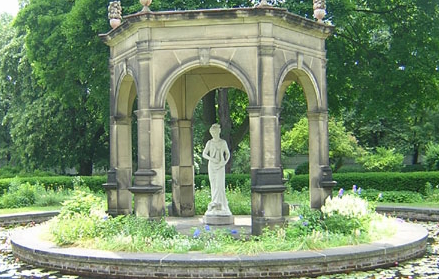
Detail from photo of a statue to Harmonia in the Harmony Society gardens, Old Economy Village (now Ambridge), PA. The statue is photographed from a distance; it is in the centre of an ornate hexagonal stone gazebo surrounded by a ring of wild flowers, on a stand in the middle of a pond. Harmonia is depicted standing, head slightly bowed, holding what appears to be a lyre.
Asteroids, Focus On, Inner main belt objects, Libra discovery, Main belt objects

Focus On: (40) Harmonia

Harmonia was a daughter of Ares and Aphrodite and as such ruled both marital and martial harmony. Later classical writers sometimes gave her a more abstract representation, as a deity who presided over cosmic balance. She was considered the opposite of Eris.

Focus On: (40) Harmonia Read Post »

Asteroids, Central main belt objects, Focus On, Main belt objects, Virgo discovery

Focus On: (39) Laetitia

Laetitia’s name derives from the root word laeta, meaning “happy”, “glad”, “lucky”, “successful”, “prosperous”, “luxurious”, “lush”, or “abounding”, referring to happiness with prosperity and abundance. Laetitia would be portrayed wearing a garland, as wreaths were generally worn at ceremonial events and festivals, to depict celebration and seasonal rites.

Focus On: (39) Laetitia Read Post »

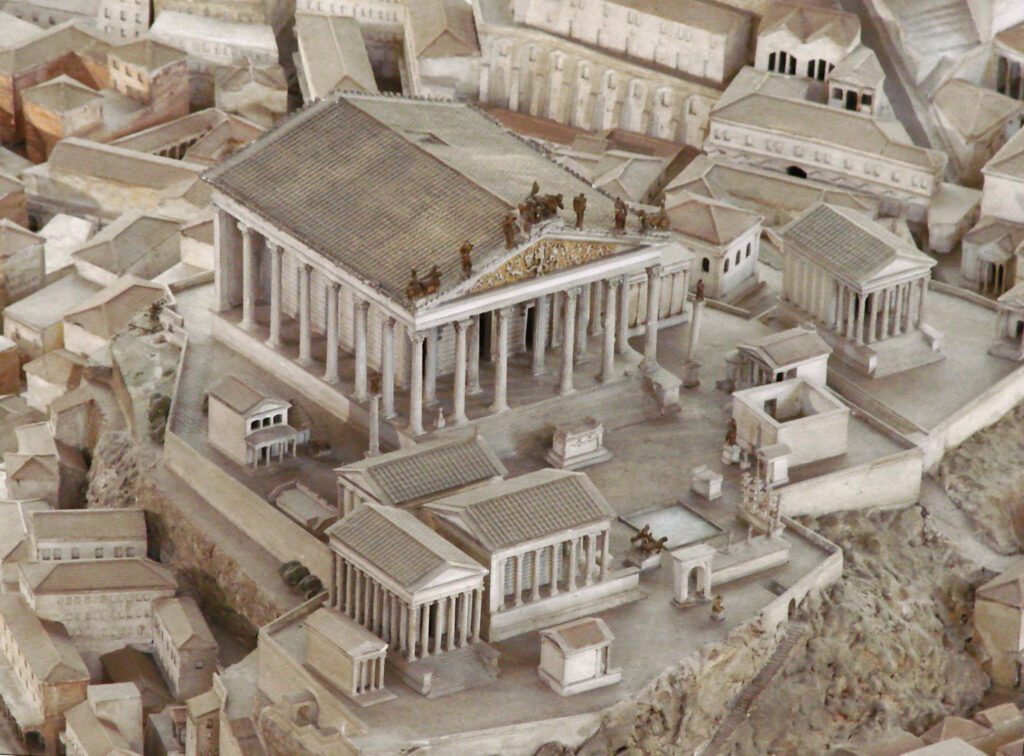
Italo Gismondi's (1887-1974) scale model of the Capitoline Hill under Constantine, on which stood a temple to Fides, at the Museum of Roman Civilisation.
Aries discovery, Asteroids, Central main belt objects, Focus On, Main belt objects

Focus On: (37) Fides

Name origin: Roman goddess of trust and good faith (bona fides). One of the original virtues to be considered an actual religious divinity. She is everything that is required for “honour and credibility, from fidelity in marriage, to contractual arrangements, and the obligation soldiers owed to Rome.”

Focus On: (37) Fides Read Post »

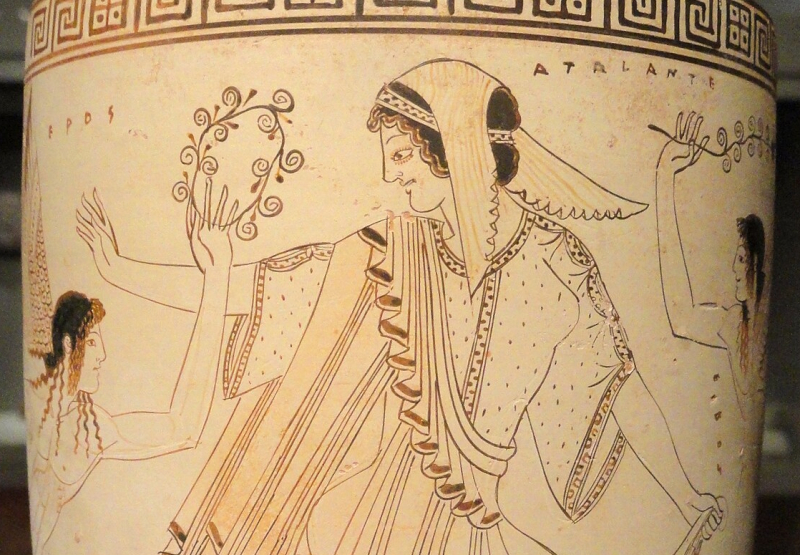
Detail of Atalanta surrounded by three Erotes, Attic white-ground lekythos, c. 500–470 BCE. Atalanta is depicted fleeing the Erotes' pursuit.
Asteroids, Central main belt objects, Focus On, Main belt objects, Pisces discovery

Focus On: (36) Atalante

Atalante was left to die at birth but rescued by a bear and later raised by hunters. Eventually she was reunited with her father, who insisted that she marry; she insisted she would only marry the man defeating her in a footrace, while those who lost were killed. Hippomenes won the race against her with the help of three sacred apples he received from Aphrodite.

Focus On: (36) Atalante Read Post »

Scroll to Top