Pisces node

Minor planets with their North Node in Pisces at discovery.

Photo of a whirlpool in the Gulf of Corryvreckan, Scotland; the third largest in the world. The whirlpool is quite close to the viewer, a near-circular spiral with white foam amid a dark blue-green sea; in the background is a bare-looking rocky terrain not far off. The sky is blue with some blended white cloud.
Asteroids, Focus On, Main belt objects, Outer main belt objects, Virgo discovery

Focus On: (388) Charybdis

Name origin: Greek sea-monster, daughter of Pontos and Gaia. Kharybdis presided over a whirlpool guarding the Strait of Messina and was likely the cause of the tides with her thrice-daily intake and expulsion of large amounts of water.

Focus On: (388) Charybdis Read Post »

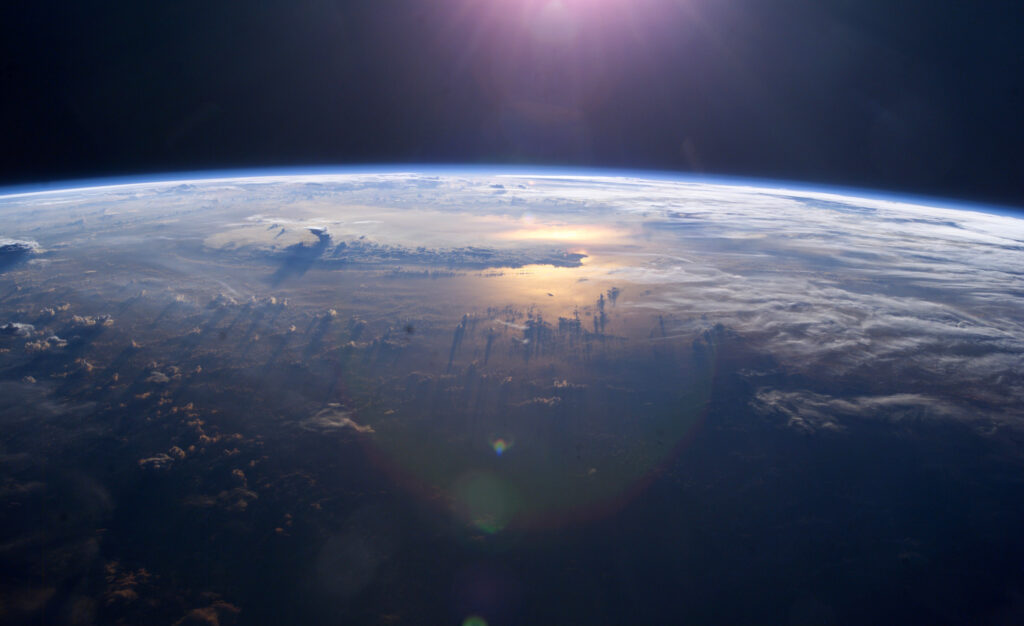
Sunset over the Pacific Ocean as seen from the International Space Station. Tops of thunderclouds are also visible.
Asteroids, Central main belt objects, Focus On, Libra discovery, Main belt objects

Focus On: (224) Oceana

Name origin: Pacific Ocean, the largest on the planet, which covers approximately 46% of Earth’s water surface and about 32% of its total surface, more than its entire land area. Mean depth is 4km; the Challenger Deep in the Mariana Trench reaches 10.9km. The ocean straddles the International Date Line.

Focus On: (224) Oceana Read Post »

The Food of the Gods on Olympus (1530), majolica dish attributed to Nicola da Urbino.
Asteroids, Central main belt objects, Focus On, Main belt objects, Virgo discovery

Focus On: (193) Ambrosia

Name origin: Greek; food of the gods. The word ambrosia means immortality, and is often said to have either that effect or longevity on whoever consumes it. The term may not originally have been distinguished from nectar, the other food of the gods.

Focus On: (193) Ambrosia Read Post »

Scroll to Top