Uranus resonance

Minor planets in estimated resonance with Uranus.

"The Conversion of Holy Hubertus", Wilhelm Räuber (1849-1926), from Eduard Engels' Hausbuch deutscher Kunst (1913).
Asteroids, Cybele group, Focus On, Main belt objects, Outer main belt objects, Pisces discovery

Focus On: (260) Huberta

St. Hubertus or Hubert (c.656-727), a kind of pre-Francis who established ethical rules on hunting, and cared about the welfare of animals. Hubert is venerated every year by the hunts in formal ceremonies. He is patron of archers; dogs; forest workers; trappers; hunting and huntsmen; mathematicians; metal workers; smelters and the city of Liège.
Focus On: (260) Huberta Read Post »

Asteroids, Central main belt objects, Focus On, Libra discovery, Main belt objects

Focus On: (216) Kleopatra

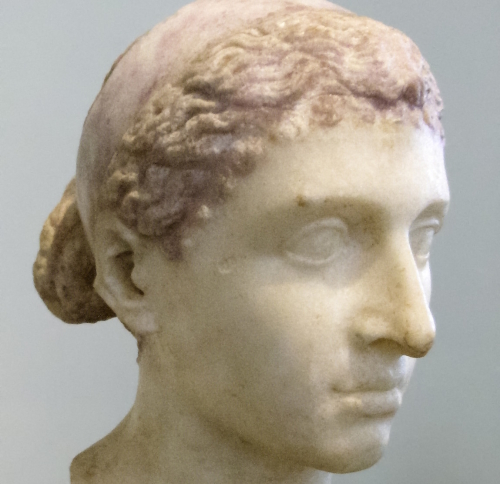
Name origin: Cleopatra, queen of Egypt from about 50 BCE to her death in 30 BCE. Realising she needed Rome’s help to sustain her nation, she became the lover of Julius Caesar and, later, the wife of Mark Antony. However, during the war between Antony and Octavian (Augustus), Antony was defeated and Cleopatra’s kingdom was finally annexed by Rome.

Focus On: (216) Kleopatra Read Post »

The Food of the Gods on Olympus (1530), majolica dish attributed to Nicola da Urbino.
Asteroids, Central main belt objects, Focus On, Main belt objects, Virgo discovery

Focus On: (193) Ambrosia

Name origin: Greek; food of the gods. The word ambrosia means immortality, and is often said to have either that effect or longevity on whoever consumes it. The term may not originally have been distinguished from nectar, the other food of the gods.

Focus On: (193) Ambrosia Read Post »

Aquarius discovery, Asteroids, Central main belt objects, Focus On, Main belt objects

Focus On: (166) Rhodope

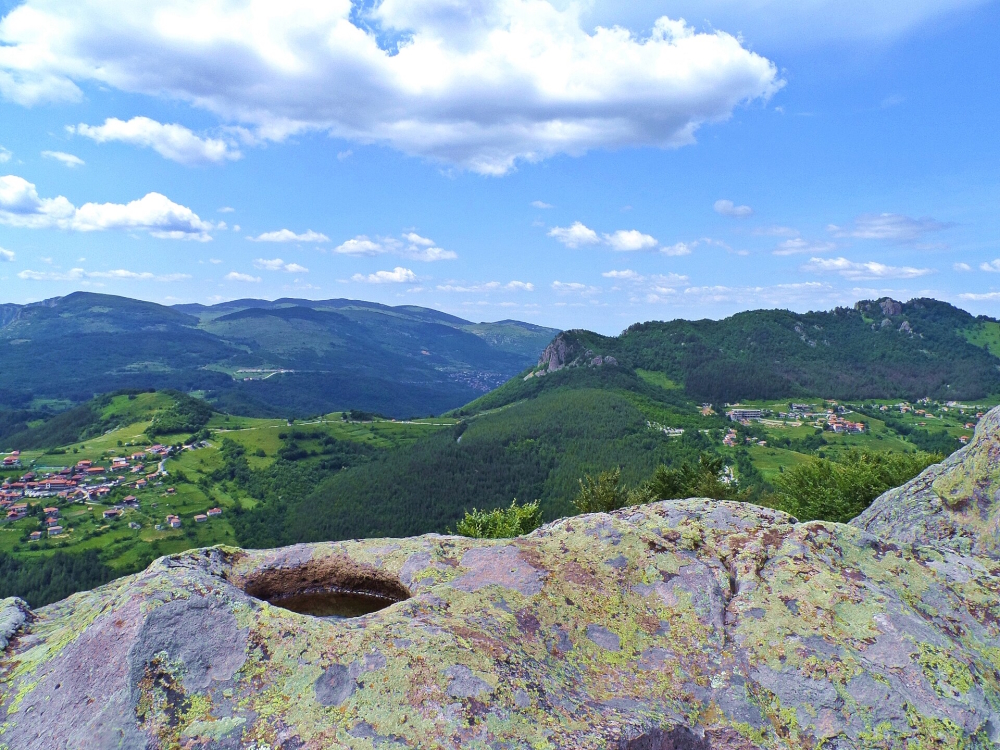
Name origin: Greek Oreiad nymph. Rhodope was a queen of Thrace and the wife of Haemus. The pair grew hubristic, comparing themselves to Zeus and Hera, and were both turned into mountains as punishment. The Rhodope Mountains in Bulgaria and Greece are named after her.

Focus On: (166) Rhodope Read Post »

Detail of Cassandra by Evelyn de Morgan (1898).
Aquarius discovery, Asteroids, Central main belt objects, Focus On, Main belt objects

Focus On: (114) Kassandra

Name origin: Trojan prophet in Greek myth. Apollo tried to seduce Kassandra with the gift of prophecy; when he failed (or in some versions she accepted and then changed her mind), unable to rescind her ability, he added the curse that she would never be believed.

Focus On: (114) Kassandra Read Post »

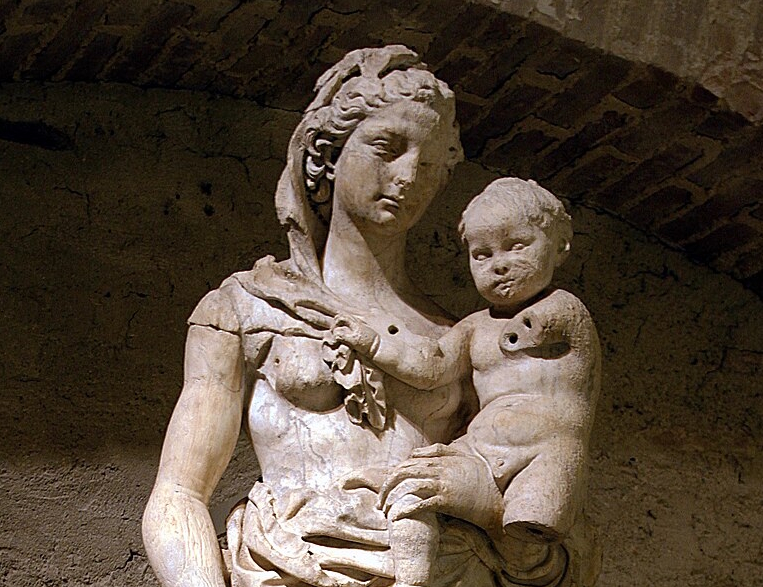
Detail from statue of Rhea Silvia by Jacopo della Quercia.
Cybele group, Focus On, Main belt objects, Outer main belt objects, Sagittarius discovery

Focus On: (87) Sylvia

Rhea Silvia was forced to become a Vestal Virgin by her uncle Amulius to prevent her conceiving, but Mars had other ideas. Their sons were sent to die but rescued and suckled by a she-wolf, and eventually grew up to overthrow Amulius and reinstate their grandfather Numitor as king, before moving on to found Rome.

Focus On: (87) Sylvia Read Post »

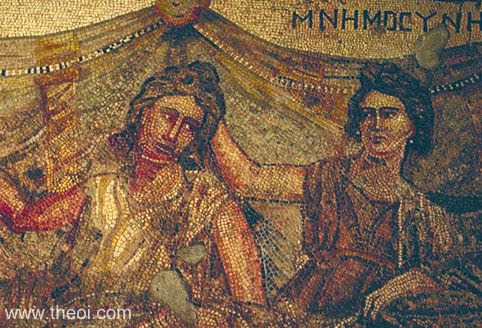
Mosaic of Polyphemos and Galatea, Alcázar de los Reyes Cristianos.
Aries discovery, Asteroids, Central main belt objects, Focus On, Main belt objects

Focus On: (74) Galatea

Name origin: Greek – either a Nereid, or a mortal formed from a statue. Galateia was one of the fifty Nereides and the goddess of calm seas, wooed by Polyphemos with music, milk and cheese.

Focus On: (74) Galatea Read Post »

Marble relief featuring Leto with Zeus and their children, 420-410 BC, held at the Archaeological Museum of Brauron in Greece.
Asteroids, Central main belt objects, Focus On, Main belt objects, Scorpio discovery

Focus On: (68) Leto

Name origin: Greek goddess of motherhood. Leto was one of the Titanides, a bride of Zeus, and the mother of the twins Artemis and Apollo. Alongside her children, she was a protectress of the young. Her name and iconography suggest she also represented modesty and demure womanhood.

Focus On: (68) Leto Read Post »

Scroll to Top