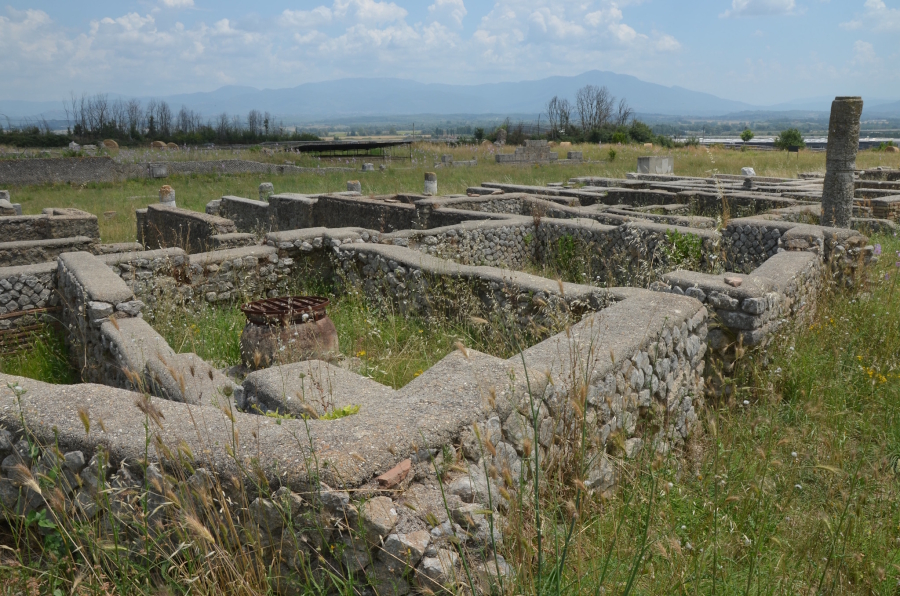
Focus On: (164) Eva
Name origin: Unknown. May refer to the Biblical Eve, but this has been doubted due to the usual naming practices of the discoverers.
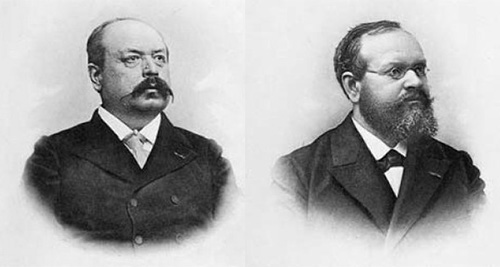
Name origin: Unknown. May refer to the Biblical Eve, but this has been doubted due to the usual naming practices of the discoverers.
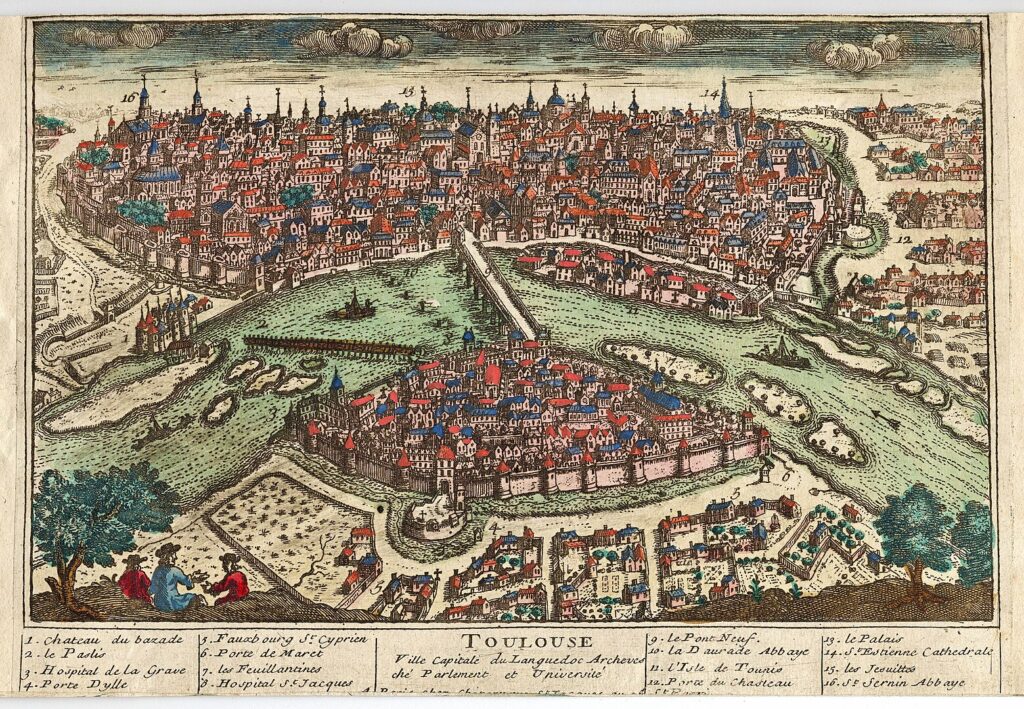
Name origin: Toulouse in France, where the asteroid was discovered. Schmadel says the city was celebrated for the cultivation of the sciences; it is home to one of the oldest universities in Europe (founded in 1229) and several prestigious higher education schools, most notably in aerospace engineering.
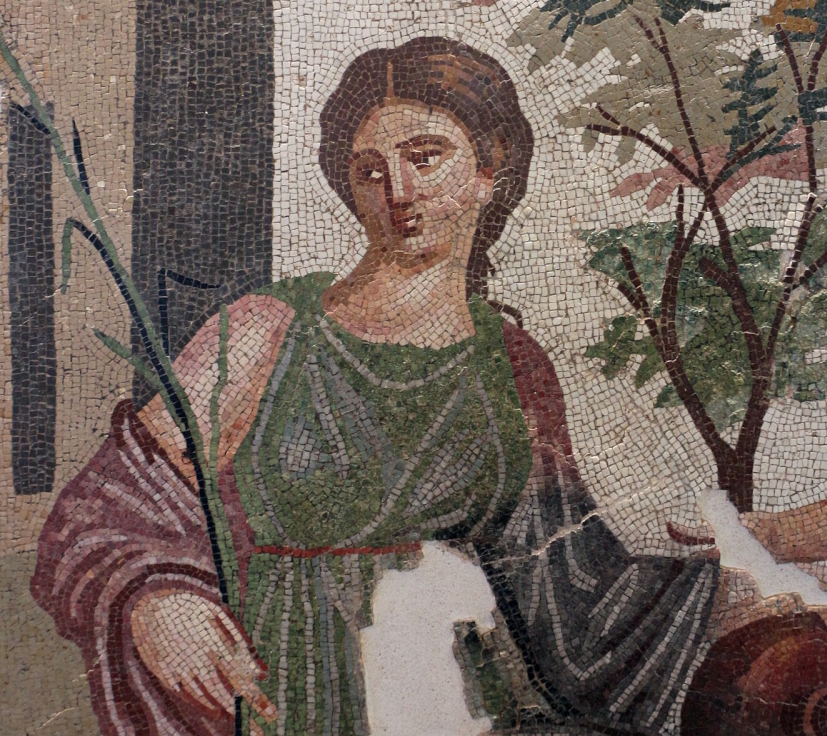
Name origin: Thessalian princess in Greek myth. Kyrene was the daughter of King Hypseus of the Lapiths. She was a famed huntress who guarded her father’s herds on Mount Pelion, killing predators. One day, when she was wrestling a lion, the god Apollo saw her and at once fell in love. He carried her to the Hill of Myrtles (Myrtoessa) in Libya, where she bore him a son named Aristaios.

Name origin: Greek mythical daughter of Agamemnon and Klytaemnestra. After their mother murders their father, Elektra and her brother Orestes plot to kill Klytaemnestra and her lover Aegisthus in revenge, on the orders of the Delphic Oracle.
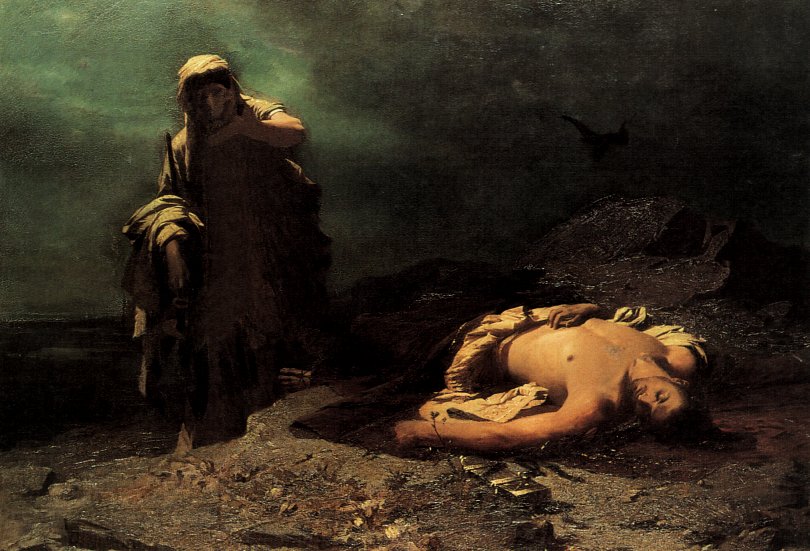
Name origin: A Theban princess in Greek tales; daughter of Oedipus. Antigone rebels against her uncle King Creon’s directive not to allow her brother Polynices a proper burial.
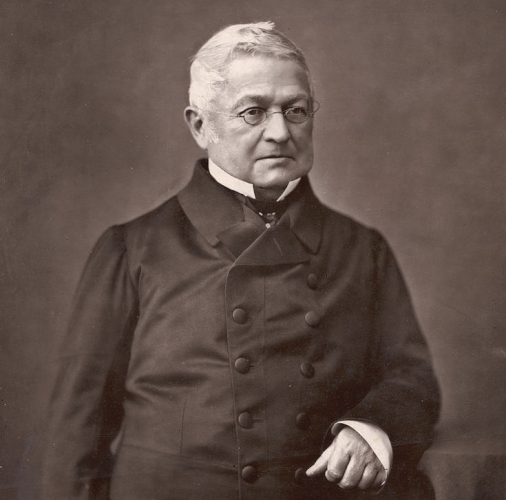
According to Schmadel, the naming “very probably is an allusion to the liberation of France at the time of the discovery.” The liberation here referred to is the Franco-Prussian war in 1870; this choice may have been intended to honour Adolphe Thiers, first president of the French Republic, who negotiated the removal of Prussian troops from France.
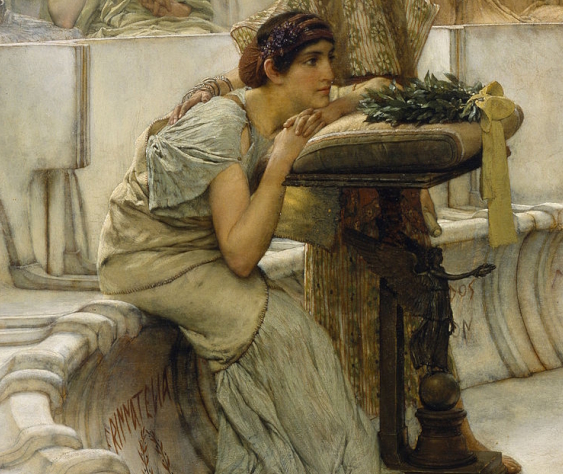
Sappho (c.630-570 BCE) was an ancient Greek lyric poet and musician from the island of Lesbos. Widely regarded as an outstanding writer, she was called the Tenth Muse; sadly, much of her work, in total estimated at around 10,000 lines, has been lost. Her poetry is still influential today.
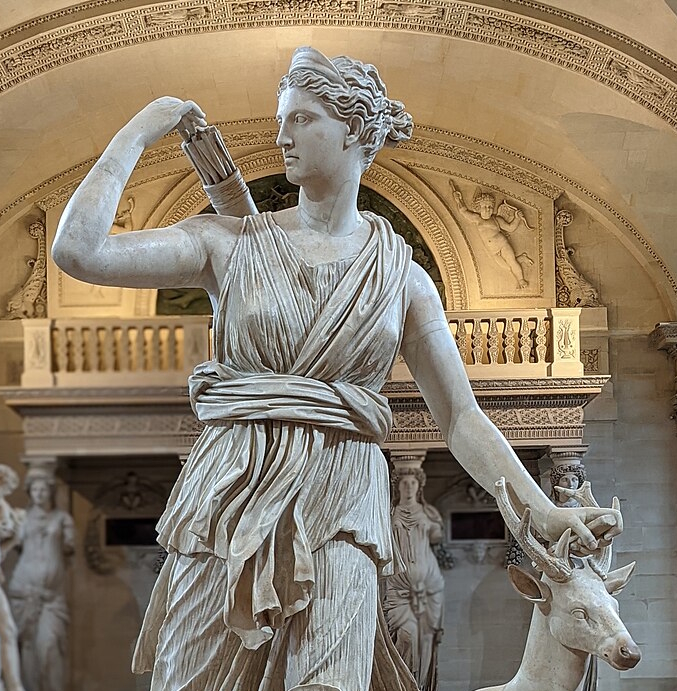
Roman lunar goddess. Initially revered as a huntress and patron of hunters, Diana later became associated with farms and the cultivated countryside, or where civilisation meets the wilderness. Like Hekate, she had dominion over roadways, particularly three-way crossroads, thereby giving her an underworld aspect. She also oversaw fertility, childbirth, the moon and celestial realms.

Name origin: Greek – either a Nereid, or a mortal formed from a statue. Galateia was one of the fifty Nereides and the goddess of calm seas, wooed by Polyphemos with music, milk and cheese.