
Focus On: (487) Venetia
Name origin: A region in north-east Italy named Veneto or the Venetia, which has Venice as its capital. Residents mostly speak Venetian as well as Italian, and there is a notable Venetian independence movement (Venetism).

Name origin: A region in north-east Italy named Veneto or the Venetia, which has Venice as its capital. Residents mostly speak Venetian as well as Italian, and there is a notable Venetian independence movement (Venetism).

Name origin: The Hanseatic League, a northern continental European commercial and defensive confederation of cities. The word ‘hansa’ or ‘hanse’ means ‘convoy’ in Old German, and refers to the merchants travelling between points in the League. While the area was not generally independent, it was influential and had diplomatic privileges. Some of the Gothic architecture remains.

Name origin: Learning, or mathematics, from the Greek term, to honour the Mathematische Gesellschaft in Hamburg, Germany, which was founded in 1690 and is the oldest still-active mathematical society in the world, and the second-oldest scientific society in Germany.

Name origin: Greek god of love. In the earliest account, Eros is a primordial god, while later he is described as one of the children of Aphrodite and Ares and, with some of his siblings, was one of the Erotes, a group of winged love gods.

The Pythia was the high priestess and oracle of the temple of Apollo at Delphi. Established by the 8th century BCE (though some sources date the shrine’s beginnings around 600 years farther back), the Pythia became pre-eminent by the 7th century BCE. Widely respected, the priestess continued to be consulted until the late 4th century CE.

Name origin: Ancient Greek goddess of the underworld. Persephone as a vegetation goddess and her mother Demeter were the central figures of the Eleusinian Mysteries, which promised the initiated a happy afterlife.
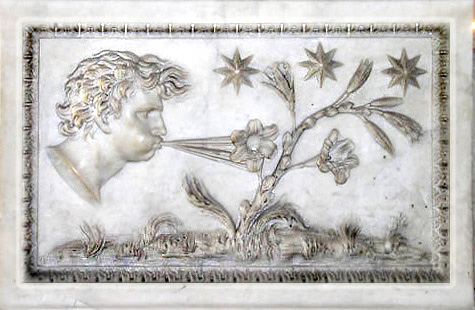
Aiolos was the divine keeper of the winds and king of the mythical, floating island of Aiolia (Aeolia). He kept the violent Storm-Winds locked safely away inside the cavernous interior of his isle, releasing them only at the command of greatest gods to wreak devastation upon the world.
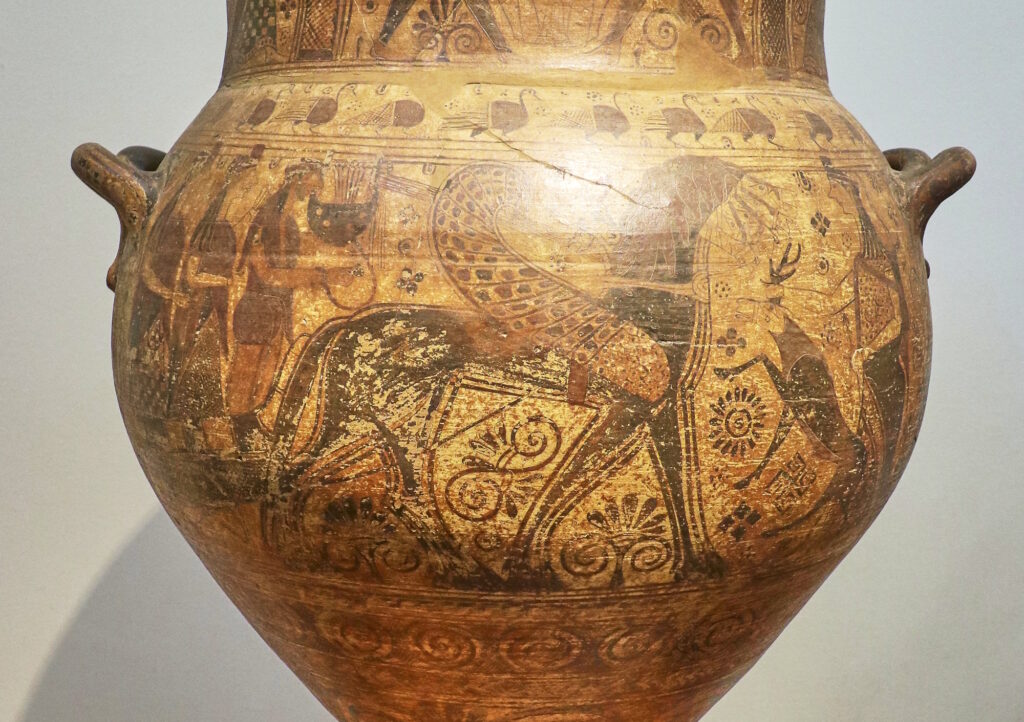
“Delia” is an epithet for the ancient Greco-Roman Moon goddess Artemis, after her birthplace (and Apollo’s) at Delos.
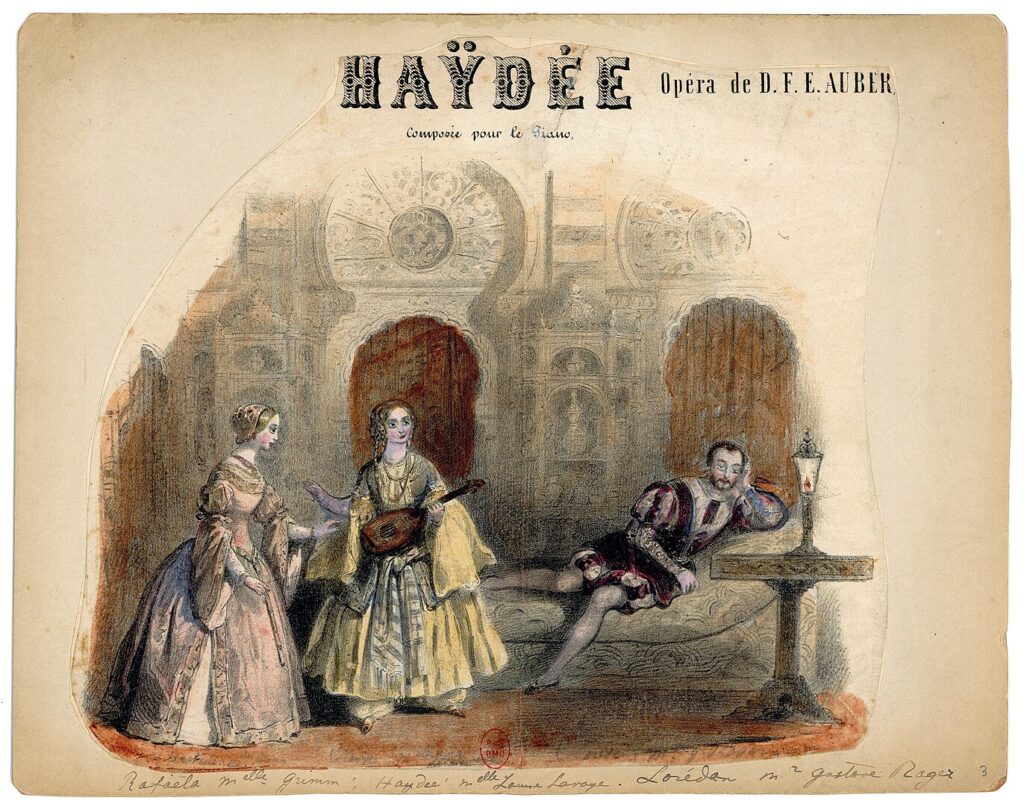
Name origin: Unknown. There is a 19th century comic opera, Haydée, featuring the titular character as a slave girl who is really a princess and ultimately marries her beloved. A Haidee was also associated with the fictional libertine Don Juan, and a Haydée appears in The Count of Monte Cristo by Dumas père.

Name origin: Bavaria, a state in the south-east of Germany and the largest by land area. Its capital city is Munich. The region has been inhabited since the Paleolithic era, with Celtic tribes such the Boii being the first recorded settlers of the Bavarian Alps.