Chiron resonance

Minor planets in estimated resonance with Chiron.

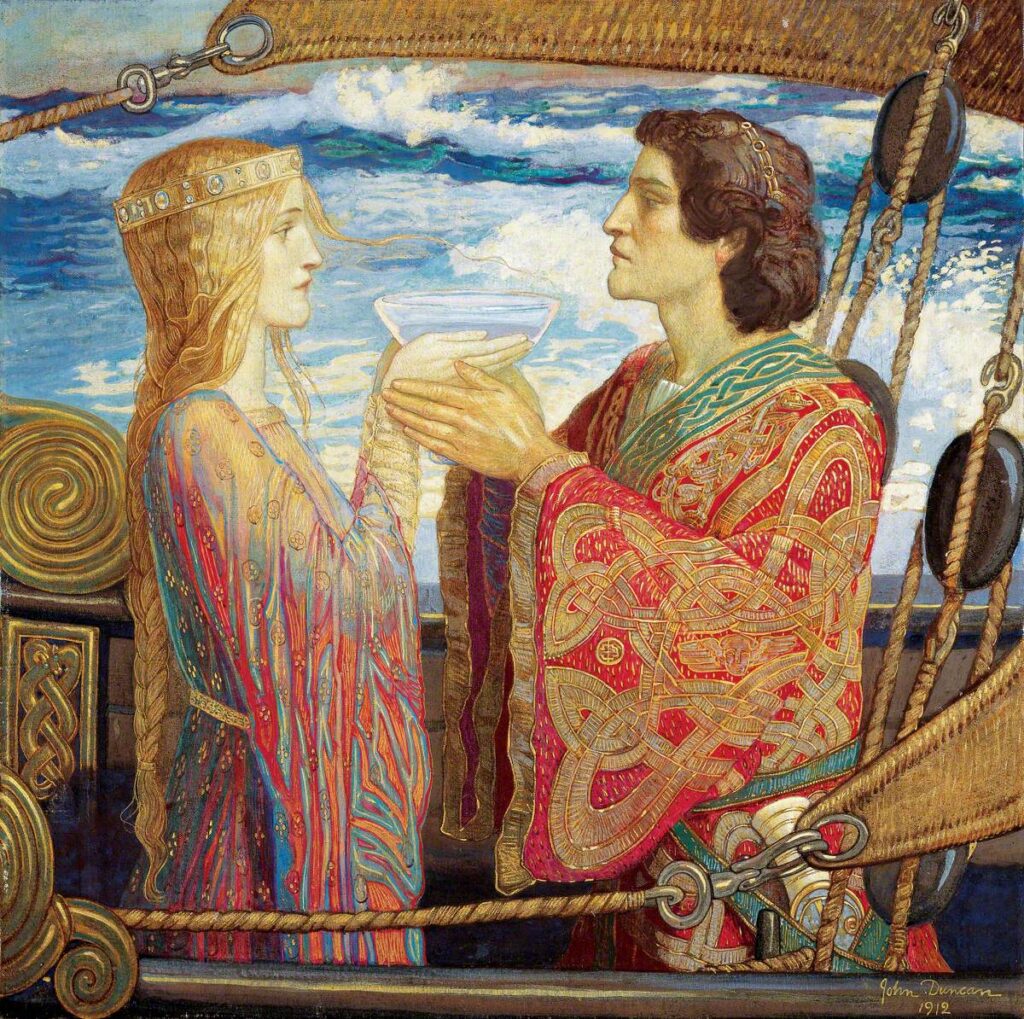
Tristan and Isolde (1912) by John Duncan. In this meticulously detailed Celtic-style work, the mythical lovers face one another while on a boat, with waves splashing in the background. Iseult is holding a bowl (presumably containing the love potion) and Tristan's hands support hers.
Asteroids, Focus On, Gemini discovery, Main belt objects, Outer main belt objects

Focus On: (211) Isolda

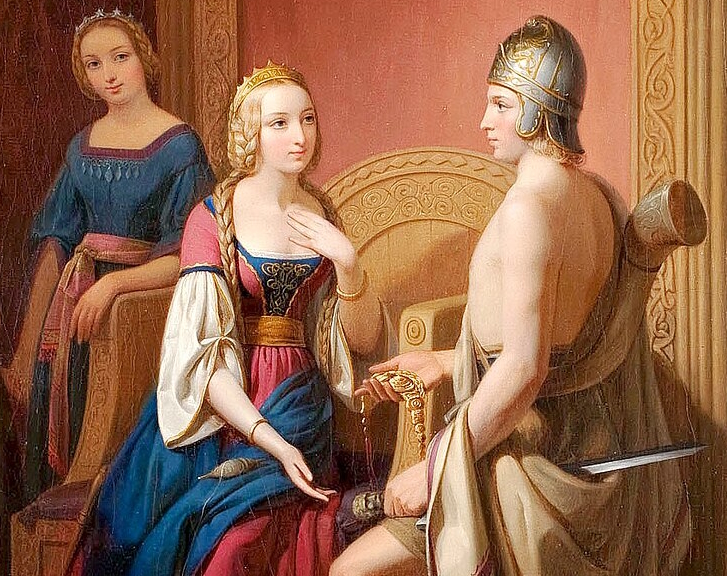
‘Possibly’ named for the Irish princess Iseult in Celtic myth, though some other characters bear that name. Iseult is to marry Tristan’s uncle, King Mark of Cornwall, and on the voyage there Tristan and Iseult accidentally drink a love potion meant for the engaged couple, and fall hopelessly in love.

Focus On: (211) Isolda Read Post »

The Food of the Gods on Olympus (1530), majolica dish attributed to Nicola da Urbino.
Asteroids, Central main belt objects, Focus On, Main belt objects, Virgo discovery

Focus On: (193) Ambrosia

Name origin: Greek; food of the gods. The word ambrosia means immortality, and is often said to have either that effect or longevity on whoever consumes it. The term may not originally have been distinguished from nectar, the other food of the gods.

Focus On: (193) Ambrosia Read Post »

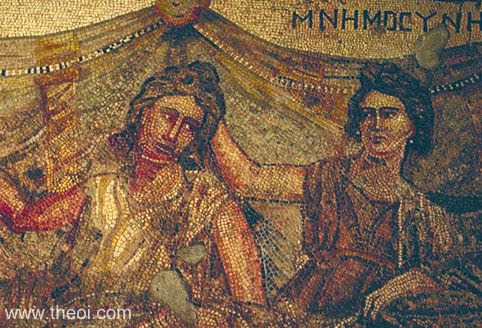
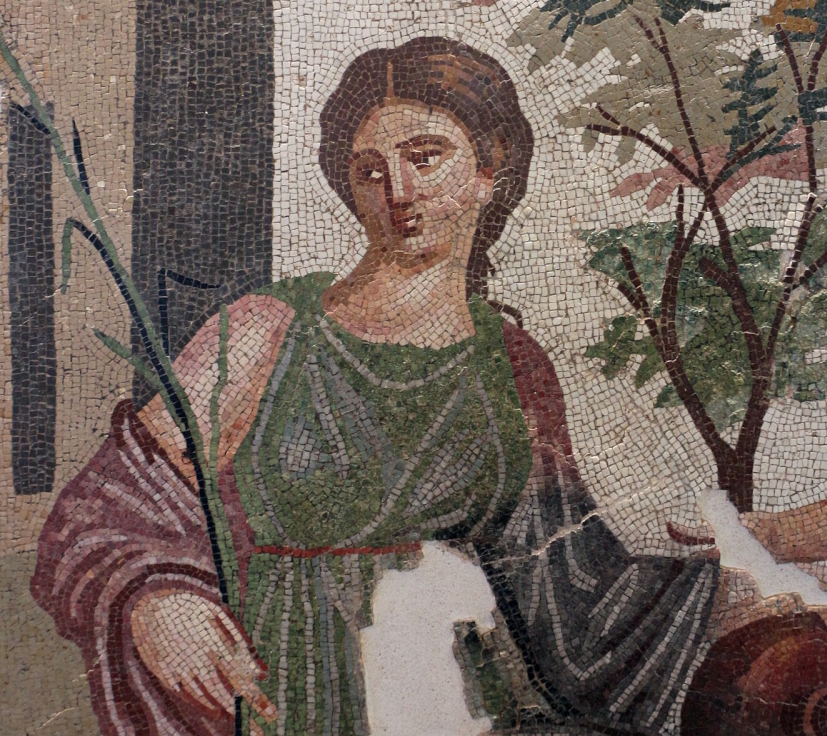
Detail of mosaic featuring Cyrene from the 2nd century CE, at the Lambaesis archaeological site, Algeria.
Asteroids, Focus On, Hecuba gap objects, Main belt objects, Outer main belt objects, Pisces discovery

Focus On: (133) Cyrene

Name origin: Thessalian princess in Greek myth. Kyrene was the daughter of King Hypseus of the Lapiths. She was a famed huntress who guarded her father’s herds on Mount Pelion, killing predators. One day, when she was wrestling a lion, the god Apollo saw her and at once fell in love. He carried her to the Hill of Myrtles (Myrtoessa) in Libya, where she bore him a son named Aristaios.

Focus On: (133) Cyrene Read Post »

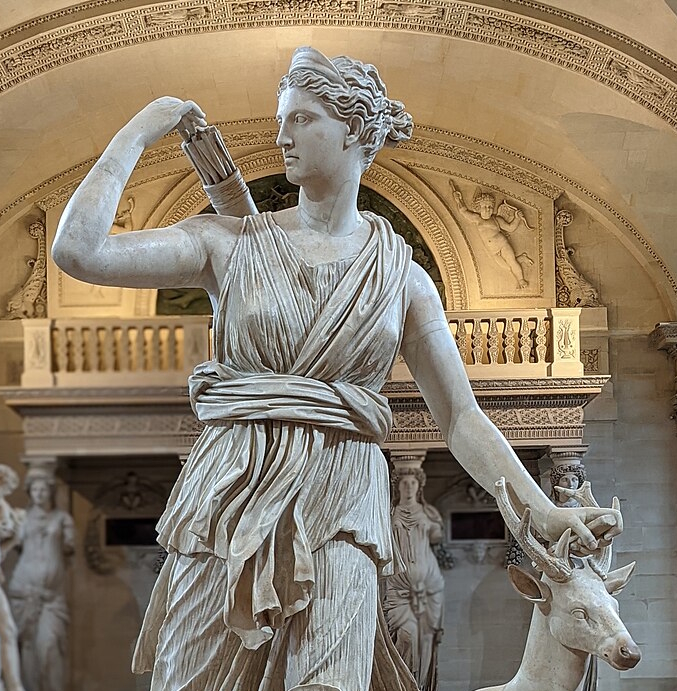
Diana of Versailles, a 2nd-century Roman statue.
Asteroids, Central main belt objects, Focus On, Libra discovery, Main belt objects

Focus On: (78) Diana

Roman lunar goddess. Initially revered as a huntress and patron of hunters, Diana later became associated with farms and the cultivated countryside, or where civilisation meets the wilderness. Like Hekate, she had dominion over roadways, particularly three-way crossroads, thereby giving her an underworld aspect. She also oversaw fertility, childbirth, the moon and celestial realms.

Focus On: (78) Diana Read Post »

Detail of Heimdall returns Brísingamen to Freyja (1846), oil painting by Nils Blommér.
Aries discovery, Asteroids, Cybele group, Focus On, Main belt objects, Outer main belt objects

Focus On: (76) Freia

Freyja is a Norse goddess associated with love, sex, beauty, fertility, gold, seiðr, war, and death. Freyja is the owner of the necklace Brísingamen, rides a chariot pulled by two cats, is accompanied by the boar Hildisvíni, and possesses a cloak of falcon feathers. She is a member of the Vanir.

Focus On: (76) Freia Read Post »

Mosaic of Polyphemos and Galatea, Alcázar de los Reyes Cristianos.
Aries discovery, Asteroids, Central main belt objects, Focus On, Main belt objects

Focus On: (74) Galatea

Name origin: Greek – either a Nereid, or a mortal formed from a statue. Galateia was one of the fifty Nereides and the goddess of calm seas, wooed by Polyphemos with music, milk and cheese.

Focus On: (74) Galatea Read Post »

Marble relief featuring Leto with Zeus and their children, 420-410 BC, held at the Archaeological Museum of Brauron in Greece.
Asteroids, Central main belt objects, Focus On, Main belt objects, Scorpio discovery

Focus On: (68) Leto

Name origin: Greek goddess of motherhood. Leto was one of the Titanides, a bride of Zeus, and the mother of the twins Artemis and Apollo. Alongside her children, she was a protectress of the young. Her name and iconography suggest she also represented modesty and demure womanhood.

Focus On: (68) Leto Read Post »

Scroll to Top