Chiron resonance

Minor planets in estimated resonance with Chiron.

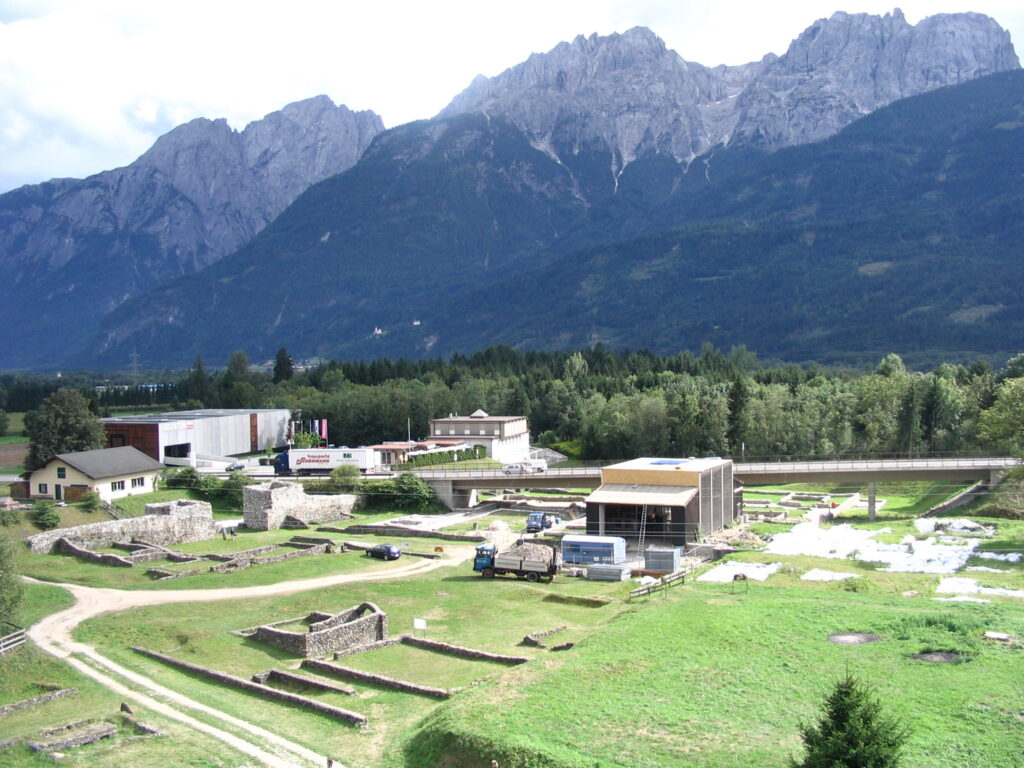
Dig site featuring ruins of the Roman baths at Aguntum.
Asteroids, Focus On, Main belt objects, Outer main belt objects, Virgo discovery

Focus On: (744) Aguntina

Aguntum was an ancient Roman site in what is now East Tirol, Austria (about 4km east of Lienz, the discoverer’s birthplace). The city was likely built as a mining and trading centre due to local supplies of iron, copper, zinc and gold.
Focus On: (744) Aguntina Read Post »

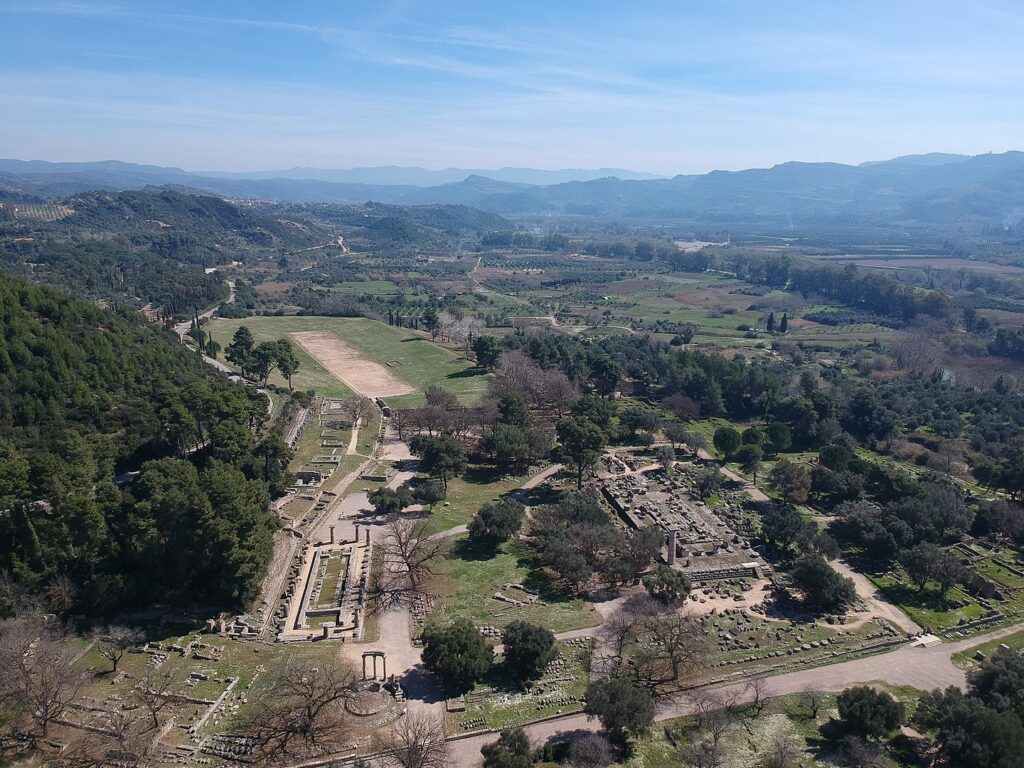
Archaeological site of Olympia showing the stadium, the temple of Hera and the temple of Zeus. The Alfeios valley is visible in the background.
Asteroids, Central main belt objects, Focus On, Main belt objects, Virgo discovery

Focus On: (582) Olympia

Olympia, officially Archaia Olympia, was a Panhellenic religious sanctuary in ancient Greece, where the early Olympic Games were held from the 8th century BCE to the 4th century CE, before being restored in 1894. The games were held in the name of Zeus, and drew visitors from the entire Greek world

Focus On: (582) Olympia Read Post »

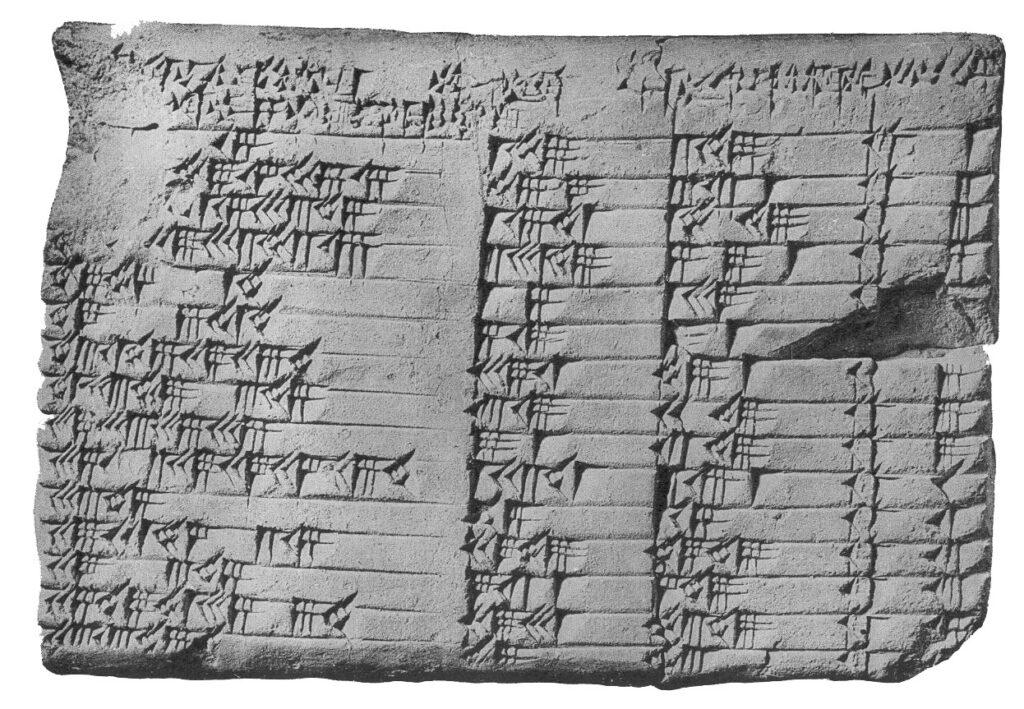
The Babylonian mathematical tablet Plimpton 322, dated to 1800 BC. Photo from the University of British Columbia, Canada.
Asteroids, Central main belt objects, Focus On, Libra discovery, Main belt objects

Focus On: (454) Mathesis

Name origin: Learning, or mathematics, from the Greek term, to honour the Mathematische Gesellschaft in Hamburg, Germany, which was founded in 1690 and is the oldest still-active mathematical society in the world, and the second-oldest scientific society in Germany.

Focus On: (454) Mathesis Read Post »

Oracle of Delphi: King Aigeus in front of the Pythia. Attic red-figure kylix from Vulci (Italy), 440-430 BCE, Kodros Painter; held at Altes Museum, Berlin.
Asteroids, Focus On, Gemini discovery, Inner main belt objects, Main belt objects

Focus On: (432) Pythia

The Pythia was the high priestess and oracle of the temple of Apollo at Delphi. Established by the 8th century BCE (though some sources date the shrine’s beginnings around 600 years farther back), the Pythia became pre-eminent by the 7th century BCE. Widely respected, the priestess continued to be consulted until the late 4th century CE.

Focus On: (432) Pythia Read Post »

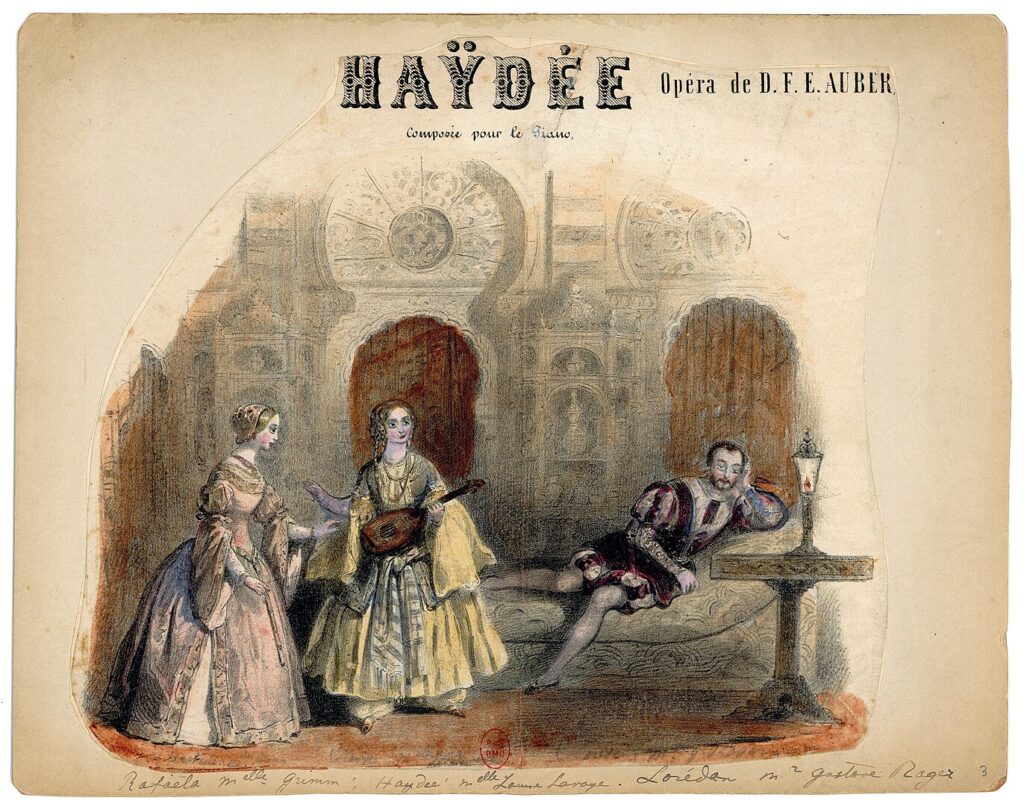
1848 illustration by Victor Coindre for the opera Haydée. The drawing features three figures, apparently actors in costume, amid a partially realised background. On the left, a young white woman in an opulent pink dress with blonde hair faces to the right. Next to her, near the centre, is a young white woman in a less obviously wealthy gown, with dark hair, holding a lute. At right is a white man in regal damask and pale garments, partly reclined on a chaise longue. Handwritten notes at the base of the illustration likely give the actors' names and roles.
Asteroids, Focus On, Main belt objects, Outer main belt objects, Sagittarius discovery

Focus On: (368) Haidea

Name origin: Unknown. There is a 19th century comic opera, Haydée, featuring the titular character as a slave girl who is really a princess and ultimately marries her beloved. A Haidee was also associated with the fictional libertine Don Juan, and a Haydée appears in The Count of Monte Cristo by Dumas père.

Focus On: (368) Haidea Read Post »

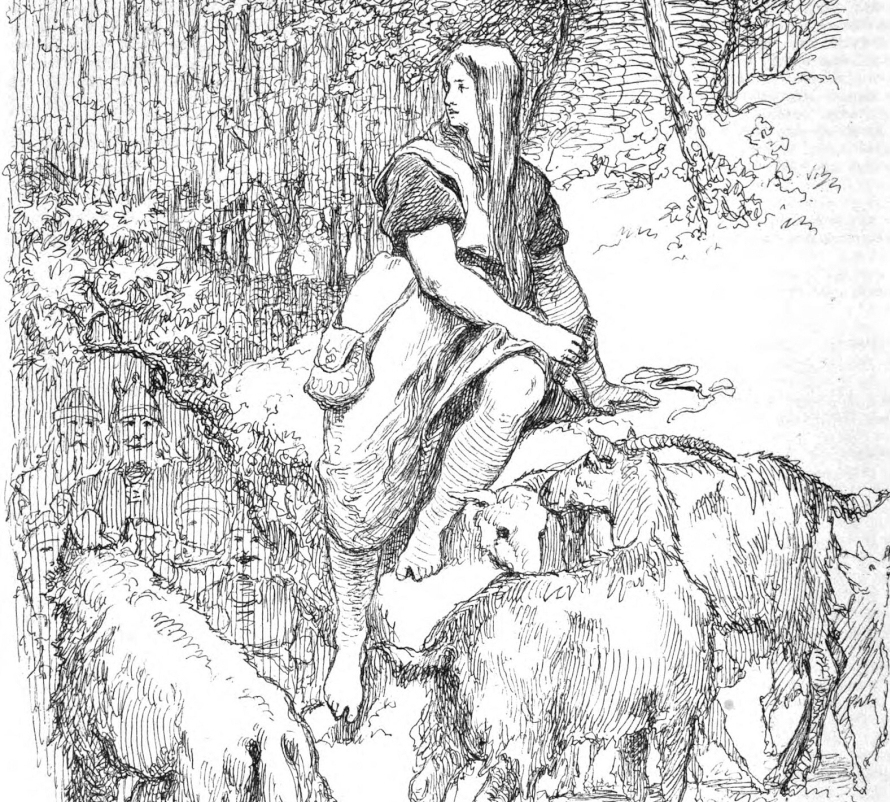
Detail of Yrsa, illustration (1865) by August Malmström.
Asteroids, Central main belt objects, Focus On, Gemini discovery, Main belt objects

Focus On: (351) Yrsa

Yrsa is the wife of Swedish king Aðils and mother of Danish king Hrólfr Kraki. There are several different versions of her story; in each she is depicted as a charming girl. Her father Halga kidnapped her mother Oluf against her will and got her pregnant. She named the child Yrsa after her dog, and sent her to live as a shepherd until she was 12.

Focus On: (351) Yrsa Read Post »

Asteroids, Focus On, Gemini discovery, Main belt objects, Outer main belt objects

Focus On: (348) May

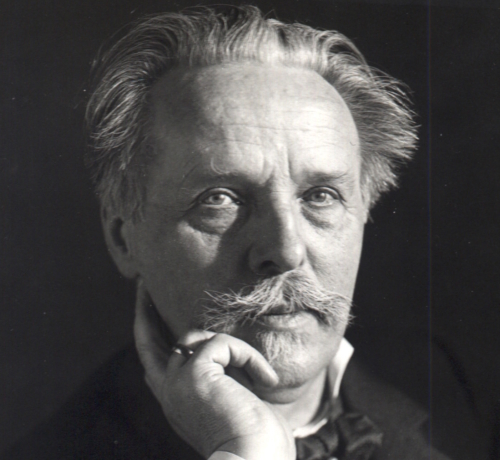
Name origin: Karl May (1842-1912), a German author best known for his novels of travels and adventures, set in the American Old West, the Middle East, and other locations. He also wrote poetry, a play, and music. He was a proficient player of several musical instruments. Many of his works were adapted for film, theatre, audio dramas and comics.

Focus On: (348) May Read Post »

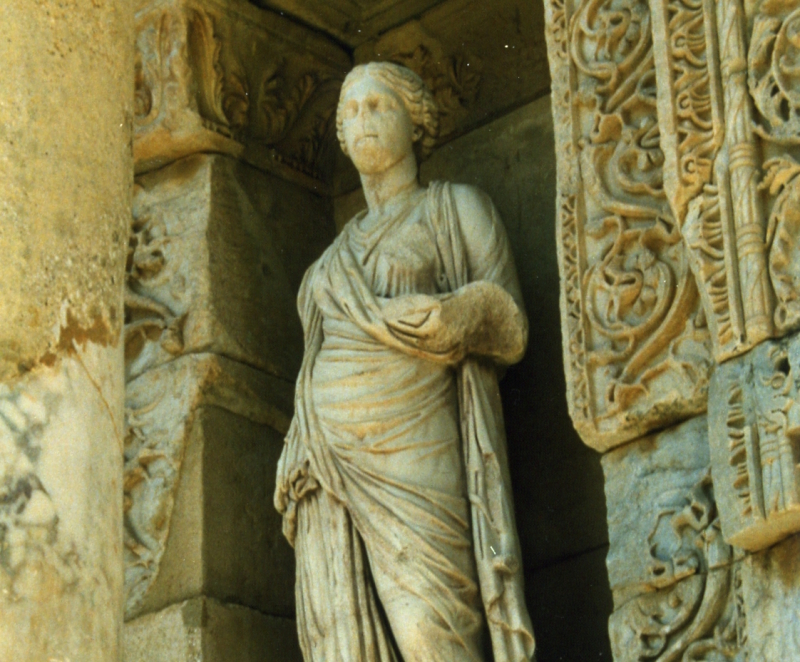
Statue of the personification of Wisdom (Koinē Greek: Σοφία, Sophía) at the Library of Celsus in Ephesus (second century CE); crop.
Asteroids, Central main belt objects, Focus On, Libra discovery, Main belt objects

Focus On: (275) Sapientia

Sapientia is Latin for “wisdom”. The corresponding Ancient Greek term (Sophia) variously translates to “clever, skillful, intelligent, wise”; it also implies “skill in handicraft and art” in Homeric usage, which has been applied to both Hephaistos and Athene.

Focus On: (275) Sapientia Read Post »

Scroll to Top