
Focus On: (32532) Thereus
Name origin: Greek; one of the Centaurs. Thereus was killed at the Lapith wedding by Theseus; he was a bear hunter “who used to take bears on the mountain slopes of Thessaly, and carry them home angry and alive.”

Name origin: Greek; one of the Centaurs. Thereus was killed at the Lapith wedding by Theseus; he was a bear hunter “who used to take bears on the mountain slopes of Thessaly, and carry them home angry and alive.”

Name origin: Venetia Phair (née Burney), who at age 11 was the first to suggest the name Pluto when said planet was discovered. She studied mathematics and became an accountant, and later a teacher.

Name origin: Famous Greek hero and demigod who became immortal. Performed the 12 labours for King Eurystheus of Mycenae, and had a number of other adventures. His name means ‘glory (or fame) of Hera’. On his ascension, he married Hebe.

Name origin: Jack B. Child (b. 1951), software engineer at JPL and Asteroid Project director of the World Space Foundation; honoured for his “generous helpfulness” and for introducing team members to the Palomar project.

Named for the ancient Indian philosophical principle of cause and effect: good actions and intent have good consequences; bad actions and intent have bad consequences. This can also refer to how a person’s actions affect who they become. (Note that the various theories of karma are generally much more complex than in popular media descriptions.)

Name origin: Greek god of blacksmiths, metalworking, carpenters, craftsmen, artisans, sculptors, metallurgy, fire, and volcanoes. He became renowned for his skill at craftsmanship; several of his myths involve his works for gods and mortals.
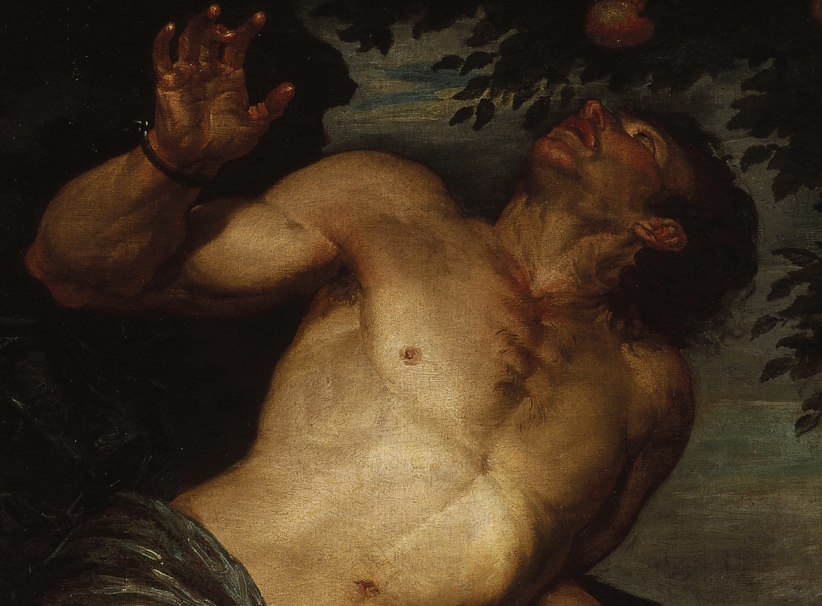
Name origin: Greek king of Lydia, son of Zeus and the nymph Plouto. Through his son Pelops, Tantalos was the founder of the house of Atreus. By offering Pelops as a sacrifice to test the gods, he incurred their wrath and was sent to Tartarus.

Name origin: Important Egyptian underworld god, husband of Isis. Osiris was originally a local deity from Lower Egypt who may have been a personification of fertility in the chthonic realms. He evolved to represent both fertility and death/resurrection.

Name origin: Greek goddess of love, beauty, pleasure and procreation. As one of the principal Olympian gods, there are multiple myths about her.

Probably named for the Monterosa, a ship used by the University of Hamburg on their outings on the North Sea.