Pisces node

Minor planets with their North Node in Pisces at discovery.

Focus On, Leo discovery, Scattered disk objects, Trans-Neptunian objects

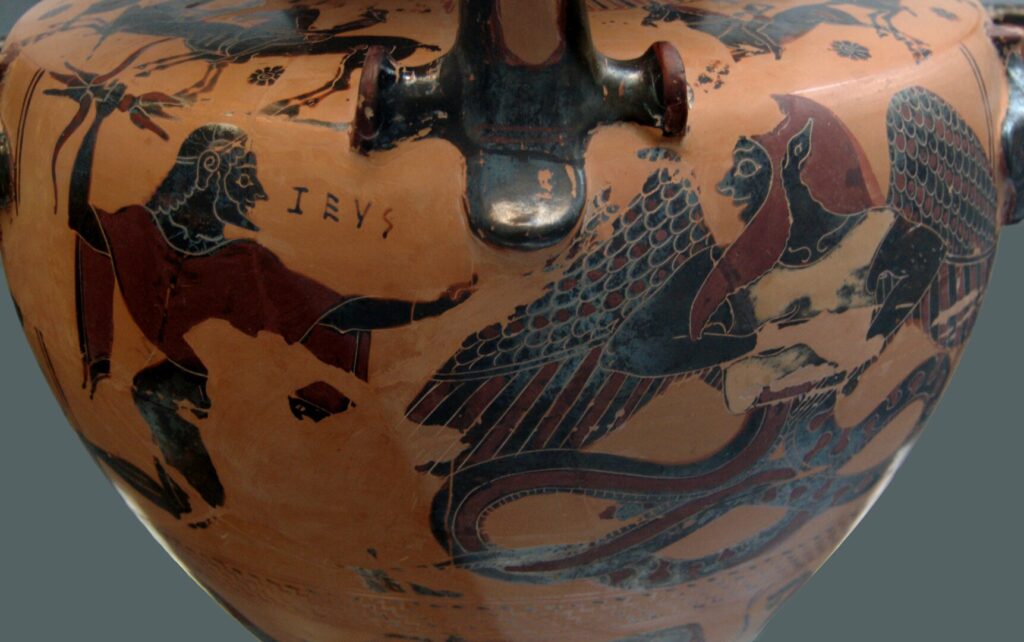
Focus On: (42355) Typhon

Typhon was a storm-giant, so huge that his head was said to brush the stars, who laid siege to the realm of the gods but was defeated by Zeus. He is said to be the cause of volcanic eruptions and of devastating storms. His name is considered to be a possible etymology for the word “typhoon”. Ekhidna was his consort, a she-dragon who birthed a number of the Titans.

Focus On: (42355) Typhon Read Post »

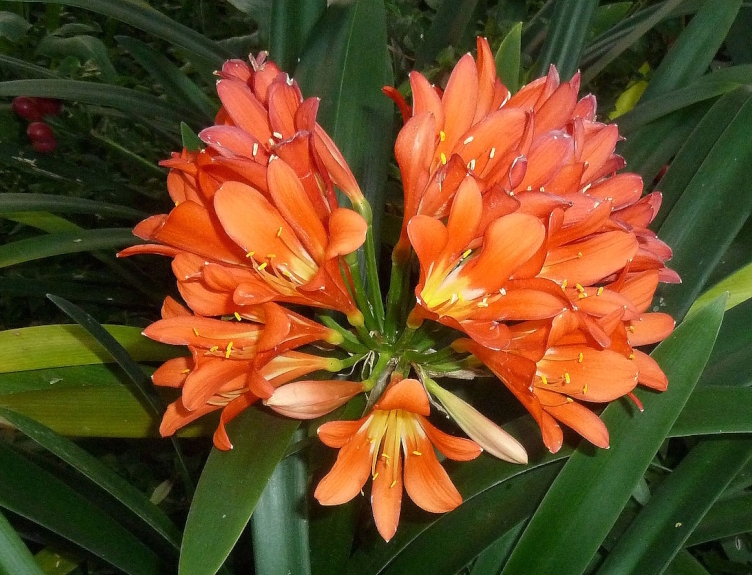
Clivia miniata (the natal or bush lily) photo detail showing bright orange flowers.
Asteroids, Flora family, Focus On, Inner main belt objects, Main belt objects, Pisces discovery

Focus On: (935) Clivia

Name origin: Genus of perennial flowering plants native to southern Africa, commonly called the natal or bush lily. They have green, long leaves and mainly bell-shaped flowers, with berry fruits. The genus itself is named after Charlotte Percy (née Clive), who first cultivated the plant in the U.K.

Focus On: (935) Clivia Read Post »

Asteroids, Cancer discovery, Focus On, Main belt objects, Outer main belt objects

Focus On: (658) Asteria

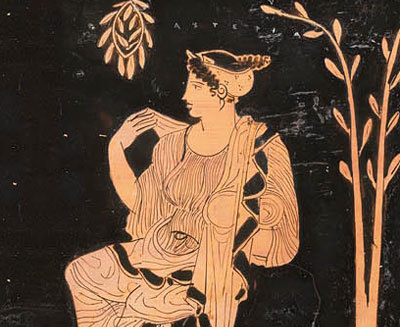
Name origin: Titan goddess of falling stars, dream divination and astrology. Asteria was the mother of Hekate, goddess of witchcraft and magic, by Perses. After the fall of the Titans, Zeus (being Zeus) chased Asteria across the sky but she escaped him by transforming herself into a quail and then leaping into the sea to become the wandering island of Delos.

Focus On: (658) Asteria Read Post »

Photo of a whirlpool in the Gulf of Corryvreckan, Scotland; the third largest in the world. The whirlpool is quite close to the viewer, a near-circular spiral with white foam amid a dark blue-green sea; in the background is a bare-looking rocky terrain not far off. The sky is blue with some blended white cloud.
Asteroids, Focus On, Main belt objects, Outer main belt objects, Virgo discovery

Focus On: (388) Charybdis

Name origin: Greek sea-monster, daughter of Pontos and Gaia. Kharybdis presided over a whirlpool guarding the Strait of Messina and was likely the cause of the tides with her thrice-daily intake and expulsion of large amounts of water.

Focus On: (388) Charybdis Read Post »

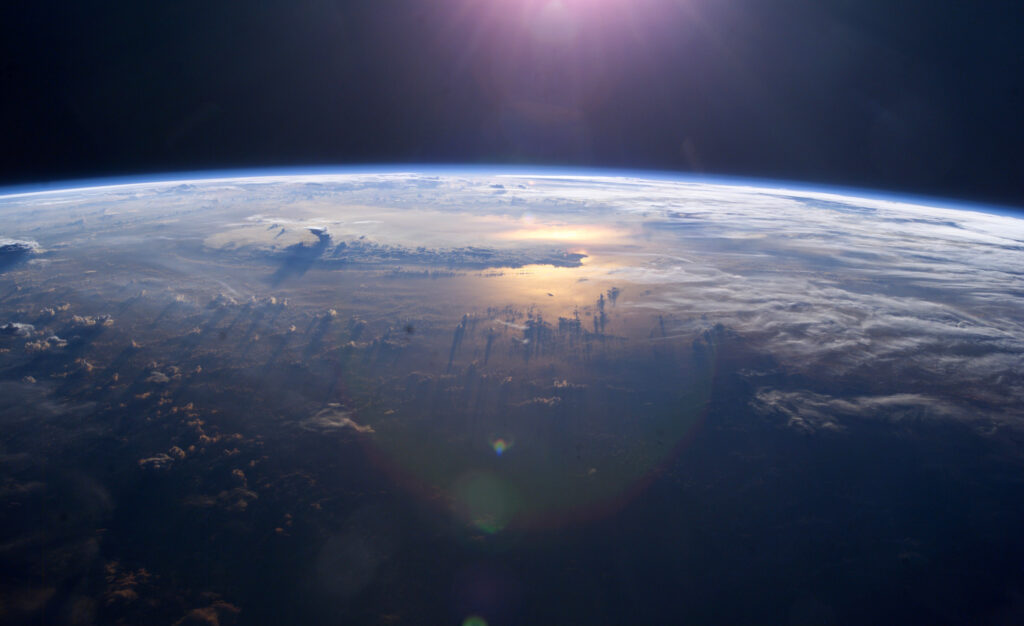
Sunset over the Pacific Ocean as seen from the International Space Station. Tops of thunderclouds are also visible.
Asteroids, Central main belt objects, Focus On, Libra discovery, Main belt objects

Focus On: (224) Oceana

Name origin: Pacific Ocean, the largest on the planet, which covers approximately 46% of Earth’s water surface and about 32% of its total surface, more than its entire land area. Mean depth is 4km; the Challenger Deep in the Mariana Trench reaches 10.9km. The ocean straddles the International Date Line.

Focus On: (224) Oceana Read Post »

The Food of the Gods on Olympus (1530), majolica dish attributed to Nicola da Urbino.
Asteroids, Central main belt objects, Focus On, Main belt objects, Virgo discovery

Focus On: (193) Ambrosia

Name origin: Greek; food of the gods. The word ambrosia means immortality, and is often said to have either that effect or longevity on whoever consumes it. The term may not originally have been distinguished from nectar, the other food of the gods.

Focus On: (193) Ambrosia Read Post »

Scroll to Top