
Focus On: (192) Nausikaa
Nausikaä was the young daughter of Alcinous and Arete in the Odyssey; she meets the shipwrecked Odysseus and aids him. She may afterwards have married his son Telemachus, and possibly had sons by him or by Odysseus himself.

Nausikaä was the young daughter of Alcinous and Arete in the Odyssey; she meets the shipwrecked Odysseus and aids him. She may afterwards have married his son Telemachus, and possibly had sons by him or by Odysseus himself.

Name origin: Thessalian princess in Greek myth, loved by the god Apollo. During her pregnancy, Koronis had an affair with a man named Iskhys; a raven informed Apollo of this, and either he or his sister Artemis killed her as a consequence. Later he felt remorse, and in anger against the raven turned its white feathers black.

Name origin: Greek princess, daughter of Leda and Tyndareus, half-sister of Helen. Helen married Menelaos of Sparta, and Klytaemnestra married his brother Agamemnon; both became involved in the ten-year Trojan War. After Agamemnon sacrificed their daughter Iphigenia on the orders of a priest, Klytaemnestra vowed revenge and took his cousin Aegisthus as a lover. When he returned, the pair murdered him and his slave Kassandra. Eventually they were both killed in retaliation by Klytaemnestra’s son Orestes.
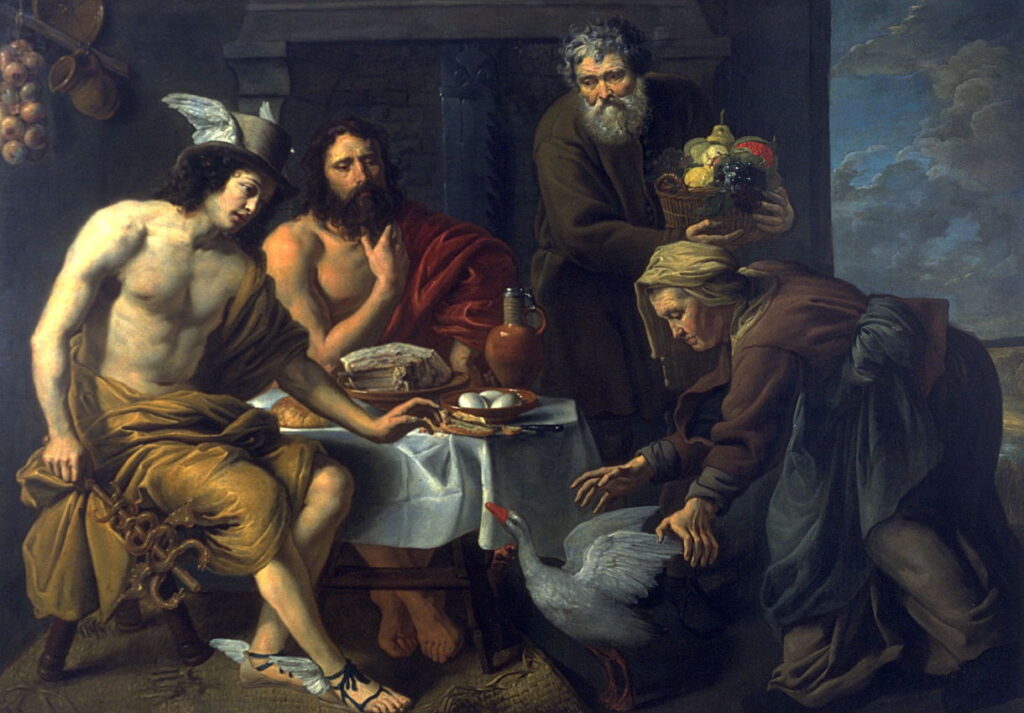
Baukis and Philemon were a poor elderly couple who were blessed by Zeus and Hermes after showing them hospitality while disguised as peasants. Richer folk in the town had turned the gods away. In consequence, Zeus flooded the rest of the town and turned the simple cottage into an ornate temple.

Named after the Sibyls, oracles in ancient Greece. Originally there may have been just one Sibyl at a time, but the number eventually increased to nine or ten. Bases included Delphi, Samos, Delos and Clarus. The etymology of the term’s source is unknown.

Name origin: Greek Oreiad nymph. Rhodope was a queen of Thrace and the wife of Haemus. The pair grew hubristic, comparing themselves to Zeus and Hera, and were both turned into mountains as punishment. The Rhodope Mountains in Bulgaria and Greece are named after her.
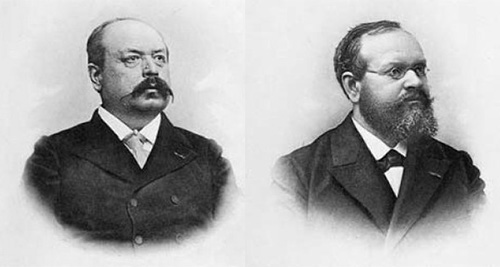
Name origin: Unknown. May refer to the Biblical Eve, but this has been doubted due to the usual naming practices of the discoverers.

One of a pair of Roman childhood goddesses, the other being Abeōna. Adeōna is goddess of returning from somewhere, homecomings, safe return and bringing children home safely.
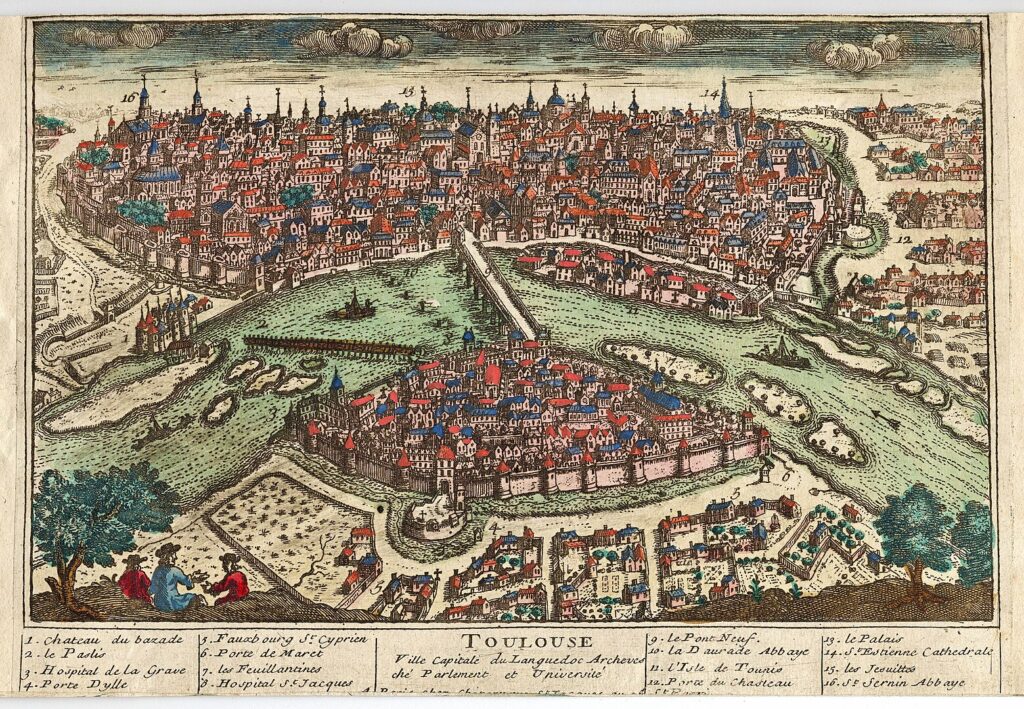
Name origin: Toulouse in France, where the asteroid was discovered. Schmadel says the city was celebrated for the cultivation of the sciences; it is home to one of the oldest universities in Europe (founded in 1229) and several prestigious higher education schools, most notably in aerospace engineering.
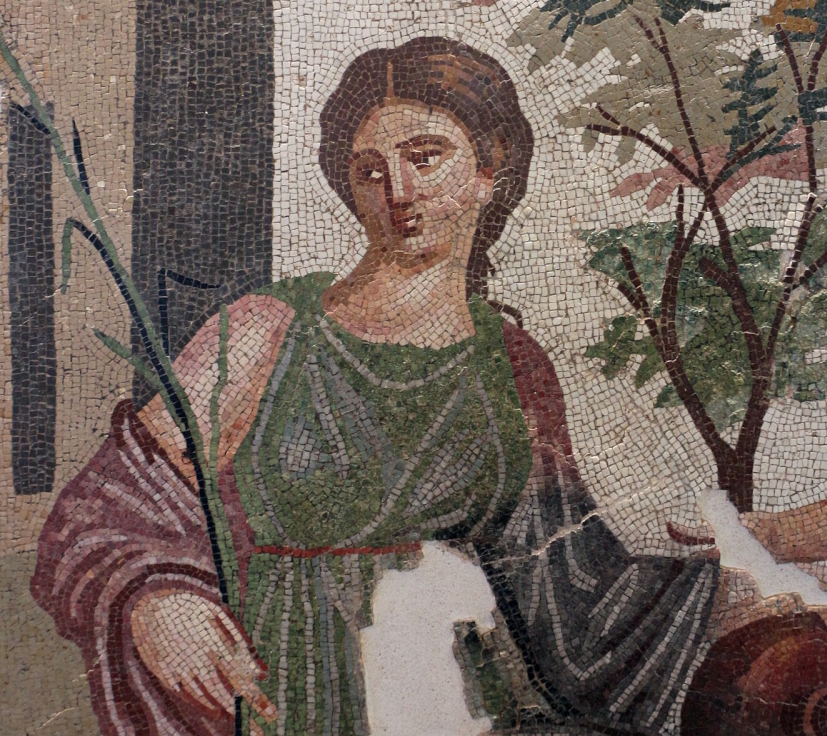
Name origin: Thessalian princess in Greek myth. Kyrene was the daughter of King Hypseus of the Lapiths. She was a famed huntress who guarded her father’s herds on Mount Pelion, killing predators. One day, when she was wrestling a lion, the god Apollo saw her and at once fell in love. He carried her to the Hill of Myrtles (Myrtoessa) in Libya, where she bore him a son named Aristaios.