
Focus On: (399) Persephone
Name origin: Ancient Greek goddess of the underworld. Persephone as a vegetation goddess and her mother Demeter were the central figures of the Eleusinian Mysteries, which promised the initiated a happy afterlife.

Name origin: Ancient Greek goddess of the underworld. Persephone as a vegetation goddess and her mother Demeter were the central figures of the Eleusinian Mysteries, which promised the initiated a happy afterlife.
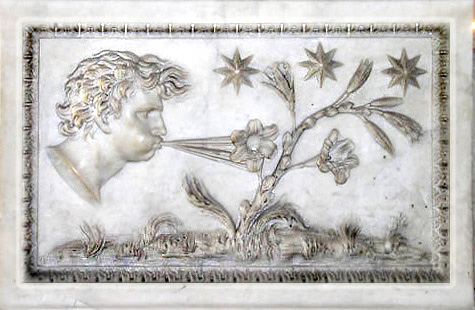
Aiolos was the divine keeper of the winds and king of the mythical, floating island of Aiolia (Aeolia). He kept the violent Storm-Winds locked safely away inside the cavernous interior of his isle, releasing them only at the command of greatest gods to wreak devastation upon the world.
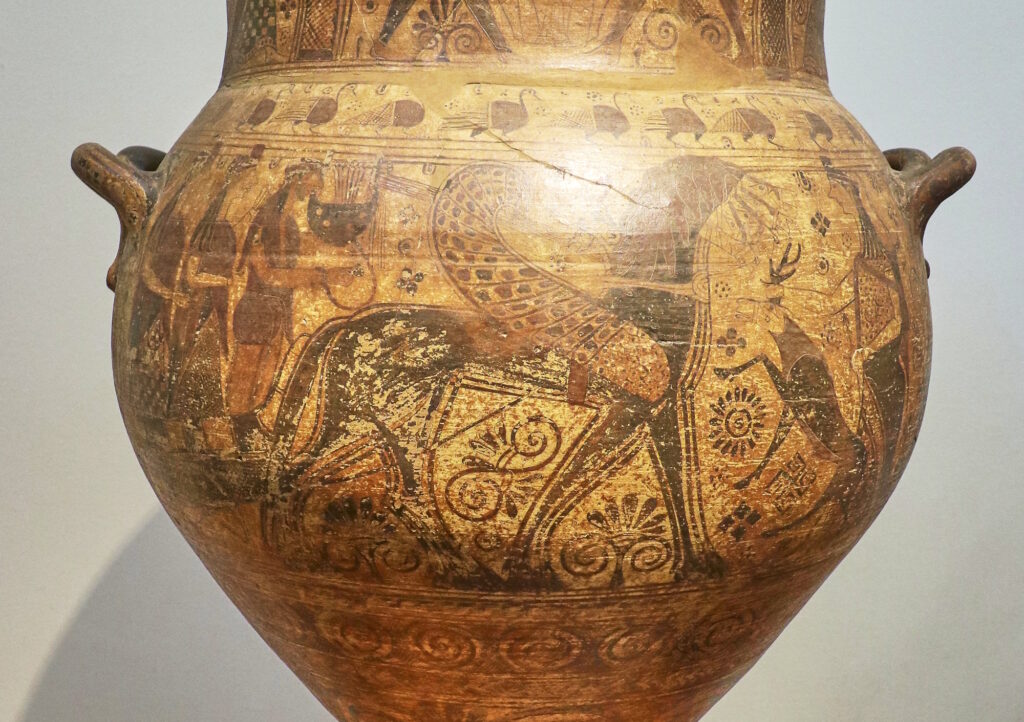
“Delia” is an epithet for the ancient Greco-Roman Moon goddess Artemis, after her birthplace (and Apollo’s) at Delos.

Name origin: Greek sea-monster, daughter of Pontos and Gaia. Kharybdis presided over a whirlpool guarding the Strait of Messina and was likely the cause of the tides with her thrice-daily intake and expulsion of large amounts of water.
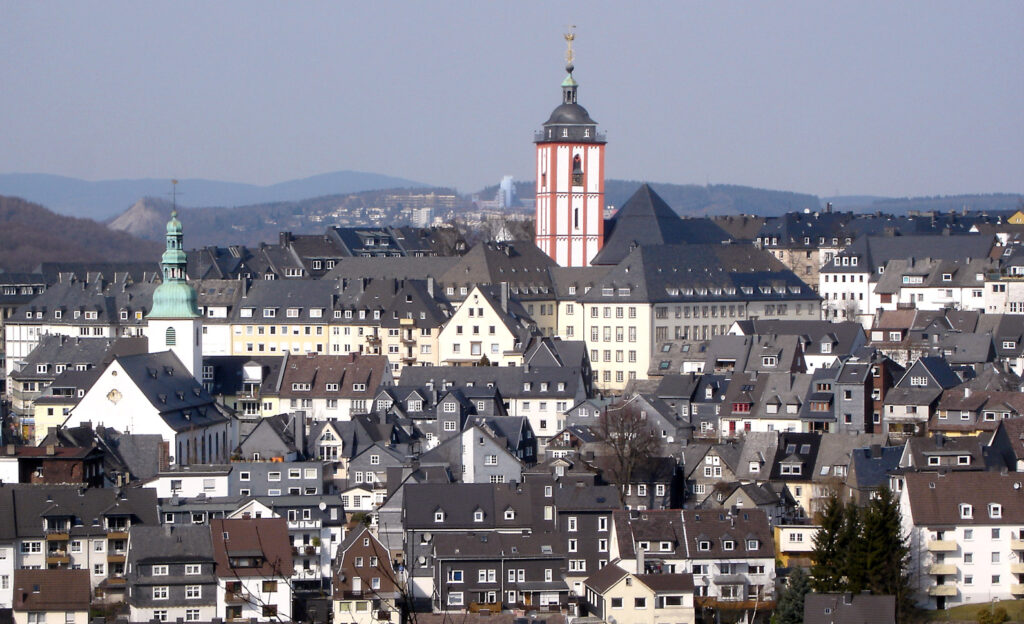
Siegen is a university city in the Arnsberg region of North Rhine-Westphalia, Germany. It lies in the basin of the river Sieg, and is surrounded by mountains, which where uninhabited are covered in coppice. Siegen lies on the German-Dutch holiday road called the Orange Route, joining towns, cities and regions associated with the House of Orange.
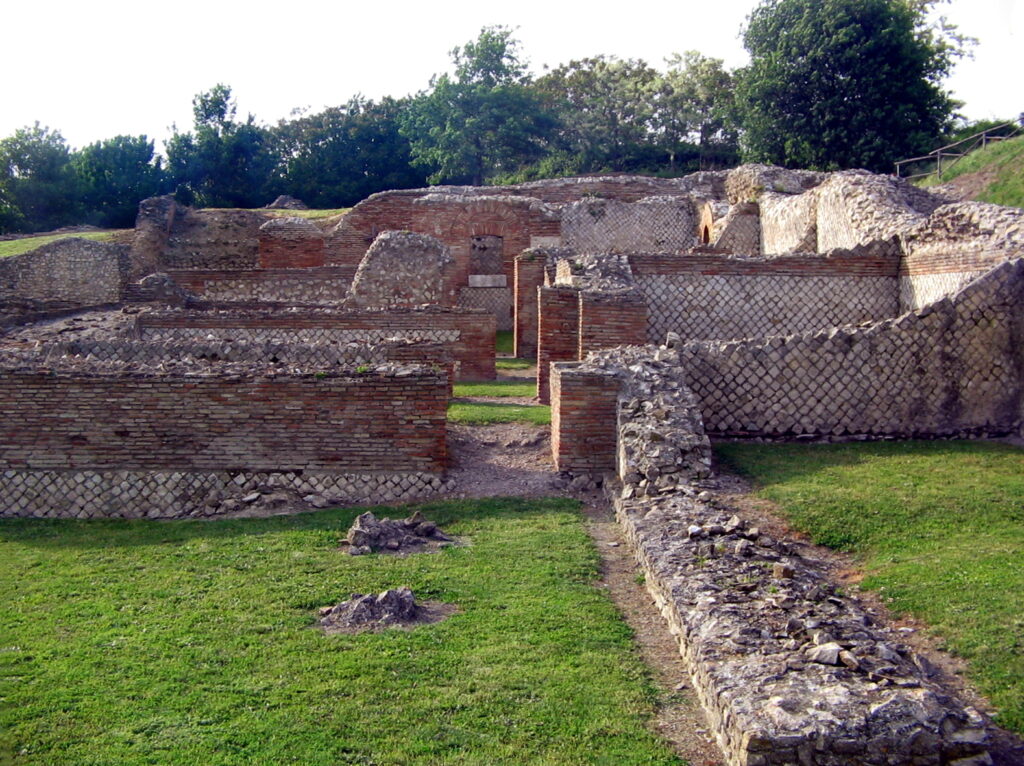
Name origin: Campania, a region of south-west Italy. Occupied by several Italic tribes since the beginning of the 1st millennium BCE. The Etruscans and Greeks established colonies in the Campanian Plains and in Naples respectively, before it became part of the Roman republic by the end of the 4th century BCE.

Name origin: The branch of mathematics (lit. ‘measuring the Earth’), which has greatly expanded since the late 19th century after the discovery of non-Euclidean geometries and the growth of symmetry as a concept.
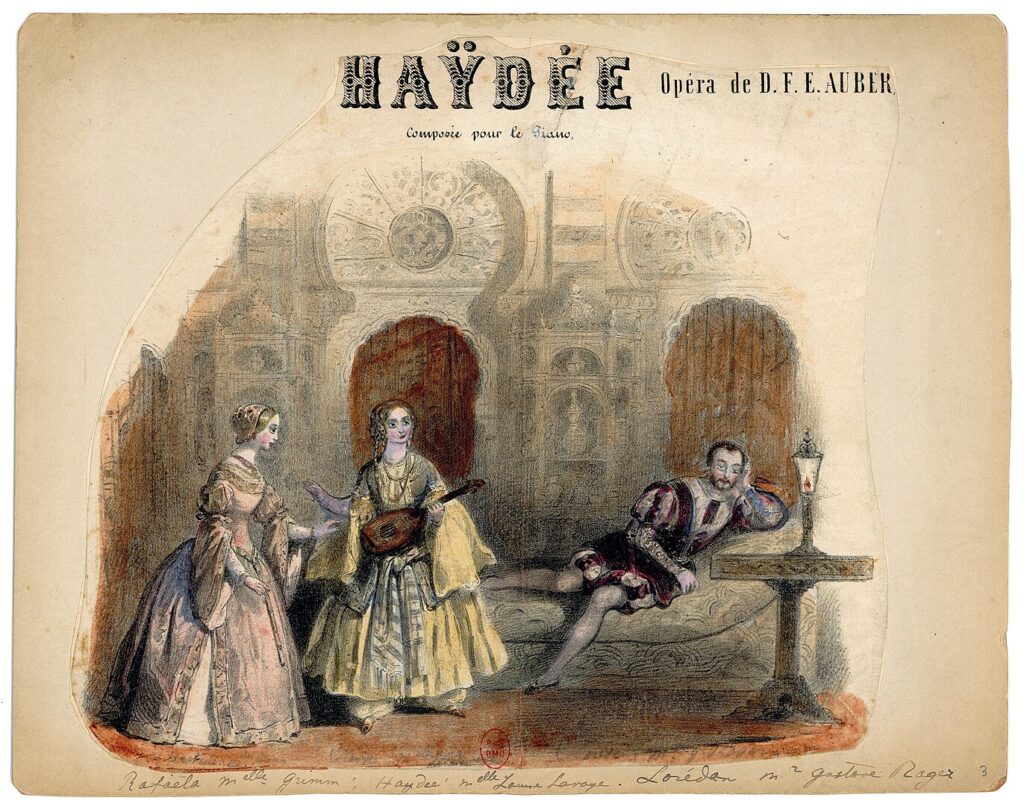
Name origin: Unknown. There is a 19th century comic opera, Haydée, featuring the titular character as a slave girl who is really a princess and ultimately marries her beloved. A Haidee was also associated with the fictional libertine Don Juan, and a Haydée appears in The Count of Monte Cristo by Dumas père.
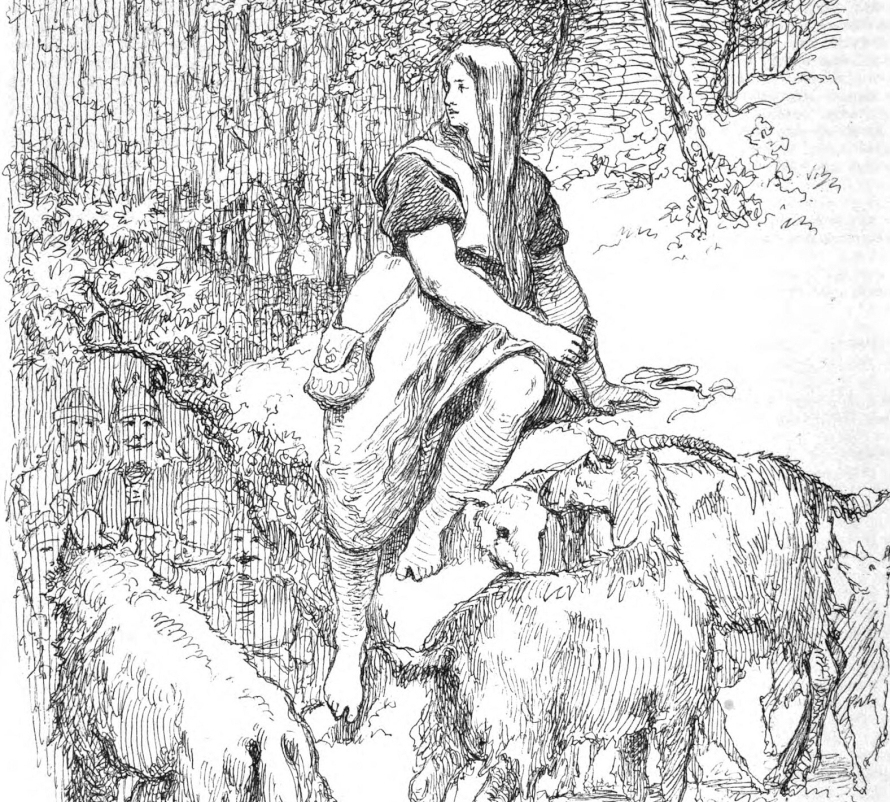
Yrsa is the wife of Swedish king Aðils and mother of Danish king Hrólfr Kraki. There are several different versions of her story; in each she is depicted as a charming girl. Her father Halga kidnapped her mother Oluf against her will and got her pregnant. She named the child Yrsa after her dog, and sent her to live as a shepherd until she was 12.

Name origin: Karl May (1842-1912), a German author best known for his novels of travels and adventures, set in the American Old West, the Middle East, and other locations. He also wrote poetry, a play, and music. He was a proficient player of several musical instruments. Many of his works were adapted for film, theatre, audio dramas and comics.