Focus On

One-stop database of gathered information on the minor planets, including discovery data, astrological delineations and more. (Note: As I’m very very Virgoesque, posts are dated according to the MPC number and will appear in reverse order accordingly. You can also browse the Focus On index page or filter using the subcategories and tags.)

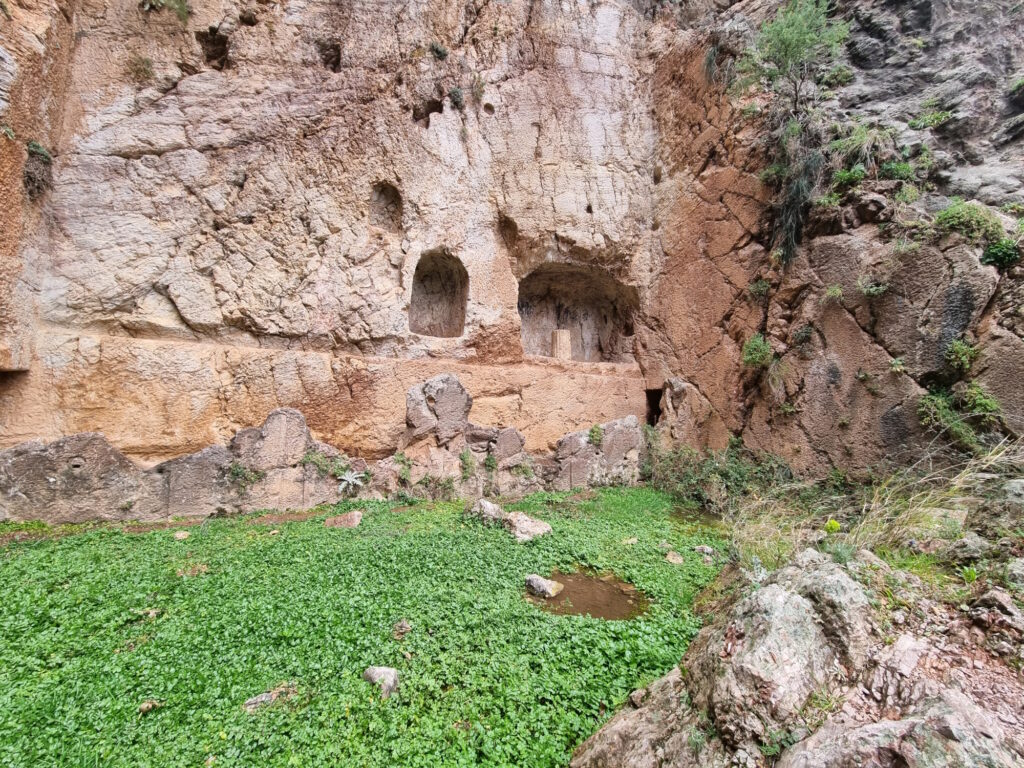
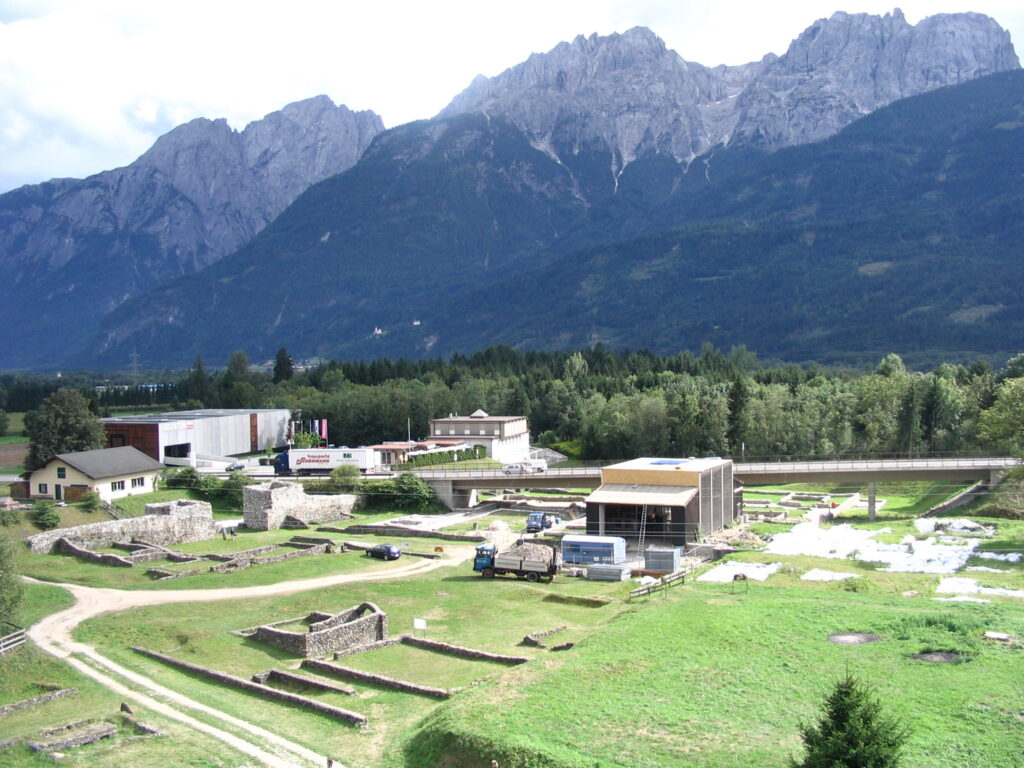
Dig site featuring ruins of the Roman baths at Aguntum.
Asteroids, Focus On, Main belt objects, Outer main belt objects, Virgo discovery

Focus On: (744) Aguntina

Aguntum was an ancient Roman site in what is now East Tirol, Austria (about 4km east of Lienz, the discoverer’s birthplace). The city was likely built as a mining and trading centre due to local supplies of iron, copper, zinc and gold.
Focus On: (744) Aguntina Read Post »

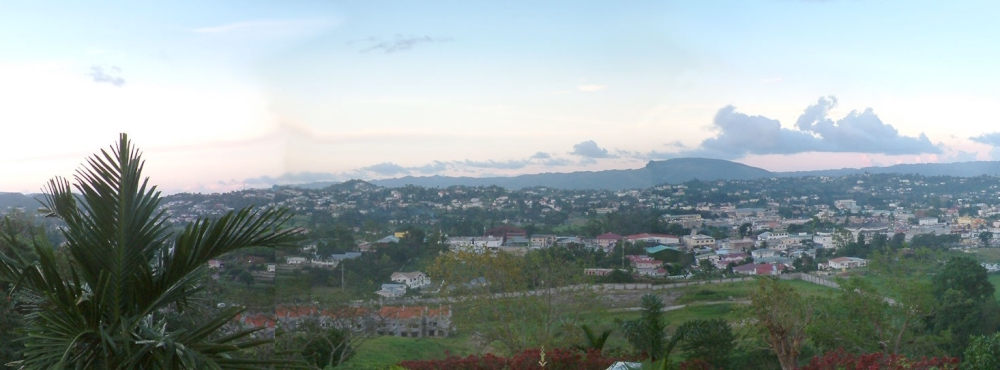
Detail of a panorama of Mandeville, Jamaica, looking north. Photo by Op. Deo.
Asteroids, Central main belt objects, Focus On, Main belt objects, Virgo discovery

Focus On: (739) Mandeville

Mandeville is the capital and largest town in the parish of Manchester in Middlesex, Jamaica. It was laid out in 1816, and named after Viscount Mandeville, the eldest son of the Duke of Manchester, who was then governor of Jamaica.

Focus On: (739) Mandeville Read Post »

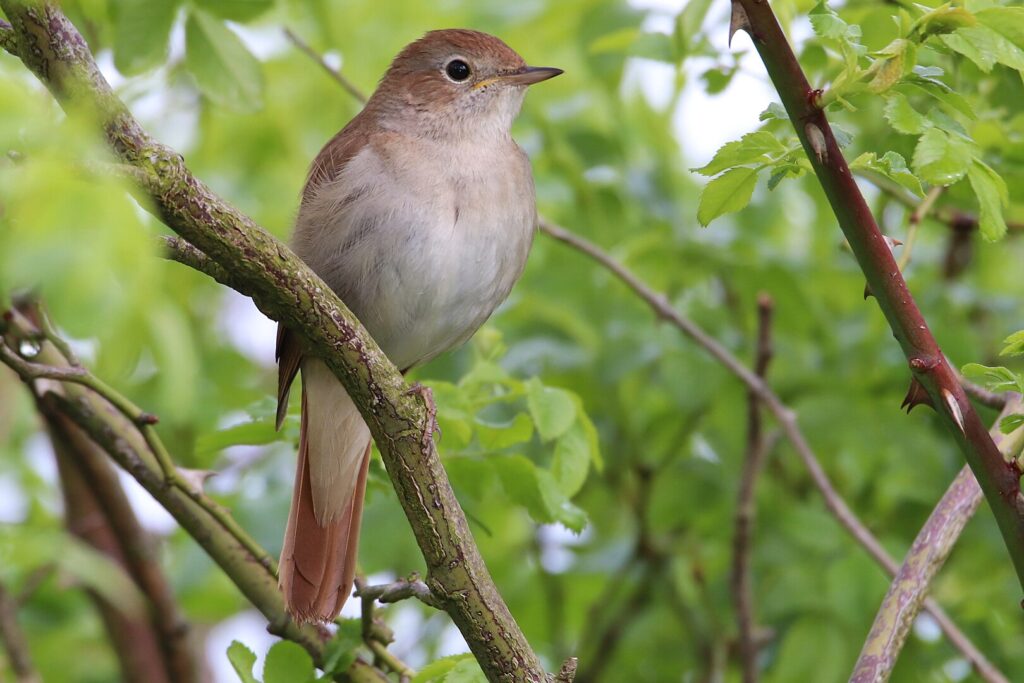
A common nightingale (Luscinia megarhynchos), detail of close-up photo from 2019.
Asteroids, Cybele group, Focus On, Libra discovery, Main belt objects, Outer main belt objects

Focus On: (713) Luscinia

Name origin: The genus Luscinia, which contains the common nightingale and three other living species. These are migratory birds originating from Europe and Asia, occurring at various latitudes but more prevalent in temperate regions. The common nightingale is renowned for its powerful and beautiful song.

Focus On: (713) Luscinia Read Post »

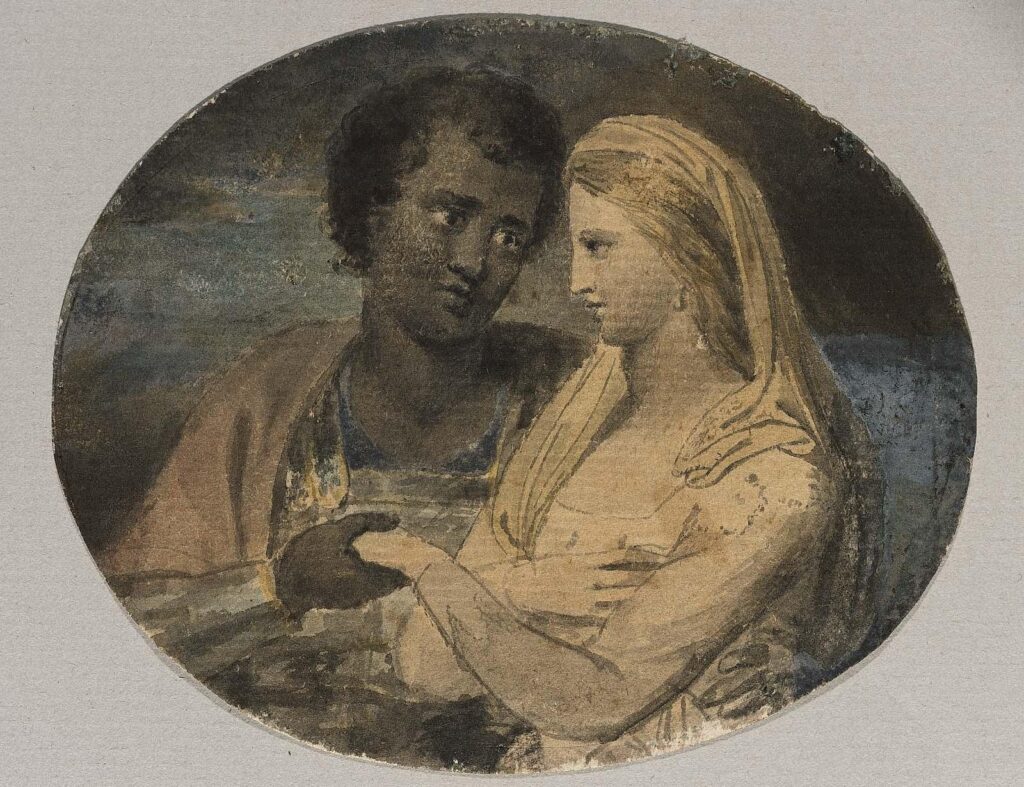
Othello and Desdemona (c. 1780), from William Blake's Illustrations to Shakespeare. A typical Blake painting in sepia, browns and greys. Othello (left), a young Black man dressed in armour and a cloak with uncovered head, holds Desdemona's hand and one arm surrounds her waist. He gazes at her with a loving expression. Desdemona's other hand rests across her chest, and she returns his gaze with some demureness. She is a young white woman in a simple, pale dress with a loose headdress partially covering golden hair.
Aquarius discovery, Asteroids, Central main belt objects, Focus On, Main belt objects

Focus On: (666) Desdemona

Name origin: Desdemona, character in Shakespeare’s Othello. The name may have been inspired by the asteroid’s provisional designation, containing the letters “DM”. Desdemona is the faithful wife of Othello whose reputation is muddied by the villain Iago.

Focus On: (666) Desdemona Read Post »

Asteroids, Cancer discovery, Focus On, Main belt objects, Outer main belt objects

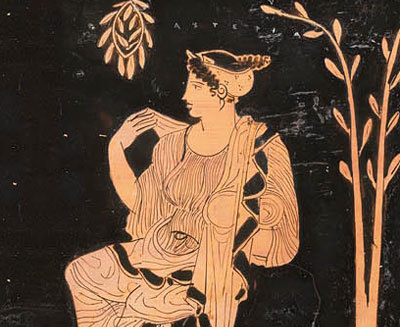
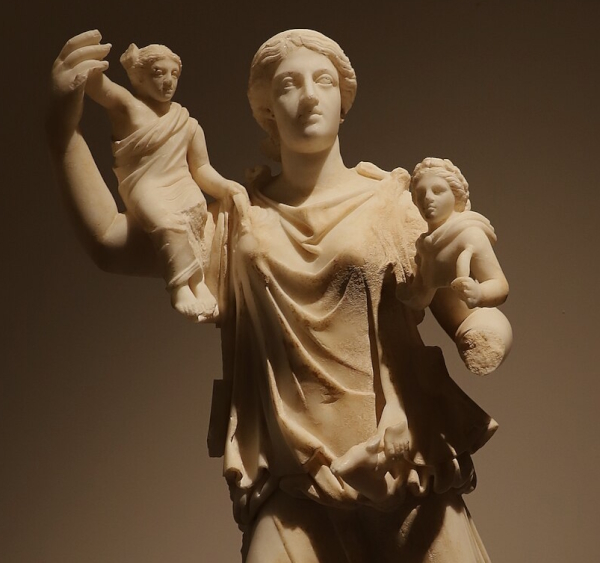
Focus On: (658) Asteria

Name origin: Titan goddess of falling stars, dream divination and astrology. Asteria was the mother of Hekate, goddess of witchcraft and magic, by Perses. After the fall of the Titans, Zeus (being Zeus) chased Asteria across the sky but she escaped him by transforming herself into a quail and then leaping into the sea to become the wandering island of Delos.

Focus On: (658) Asteria Read Post »

Asteroids, Flora family, Focus On, Inner main belt objects, Main belt objects, Pisces discovery

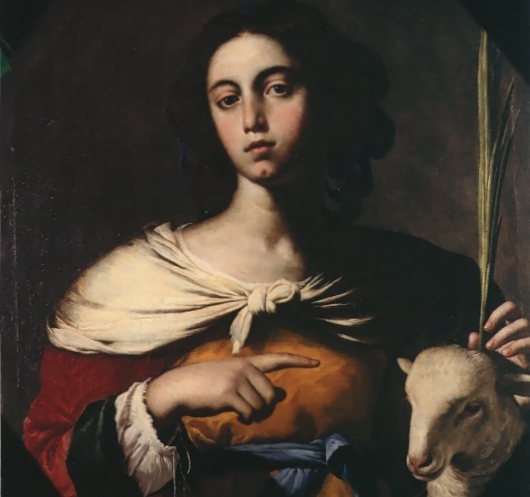
Focus On: (641) Agnes

Name origin: Unknown. Agnes is a female given name derived from Greek, and meaning ‘pure’ or ‘holy’. The popularity of St. Agnes of Rome (c. 291-21 January 304) boosted wide use of the name, which became the third commonest for women in English-speaking countries for more than 400 years, peaking in the early 20th century. There are multiple variants.

Focus On: (641) Agnes Read Post »

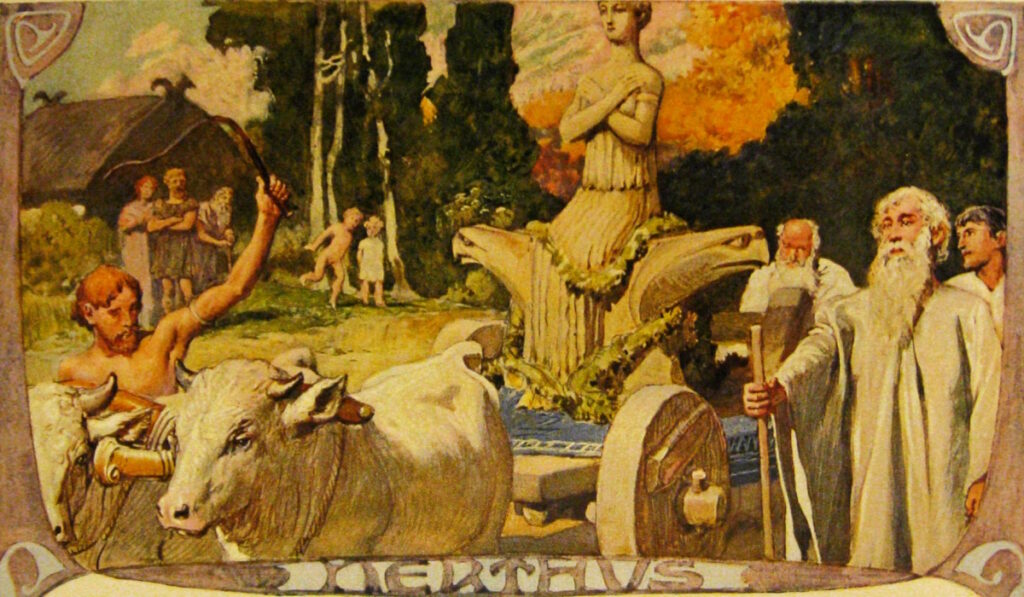
Nerthus, illustration by Emil Doepler (1905) depicting the procession of the goddess.
Asteroids, Capricorn discovery, Focus On, Main belt objects, Outer main belt objects

Focus On: (601) Nerthus

Germanic goddess associated with water and wagons. Only priests were allowed to touch the cart of Nerthus, which was kept in a sacred grove on an island. When the priest found her to be present by the cart, it was drawn on procession; everywhere it went celebrations took place.

Focus On: (601) Nerthus Read Post »

Scroll to Top