Central main belt objects

Minor planets located in the middle region of the main belt.

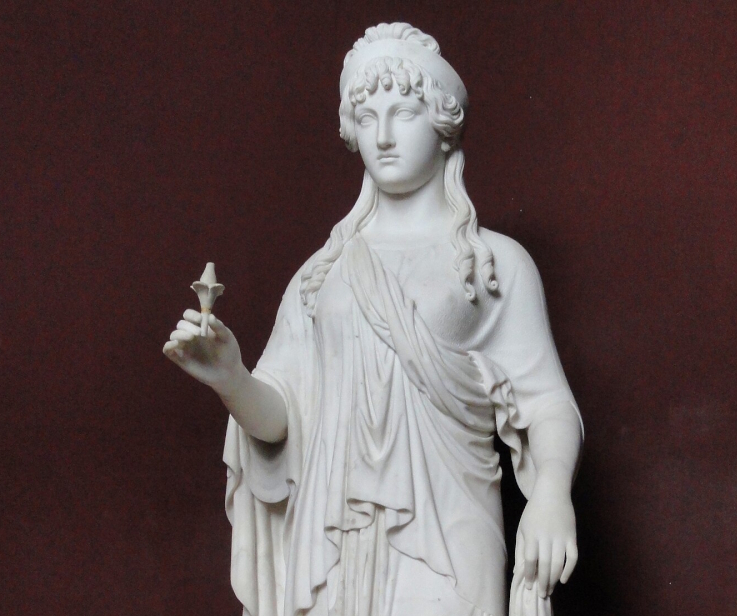
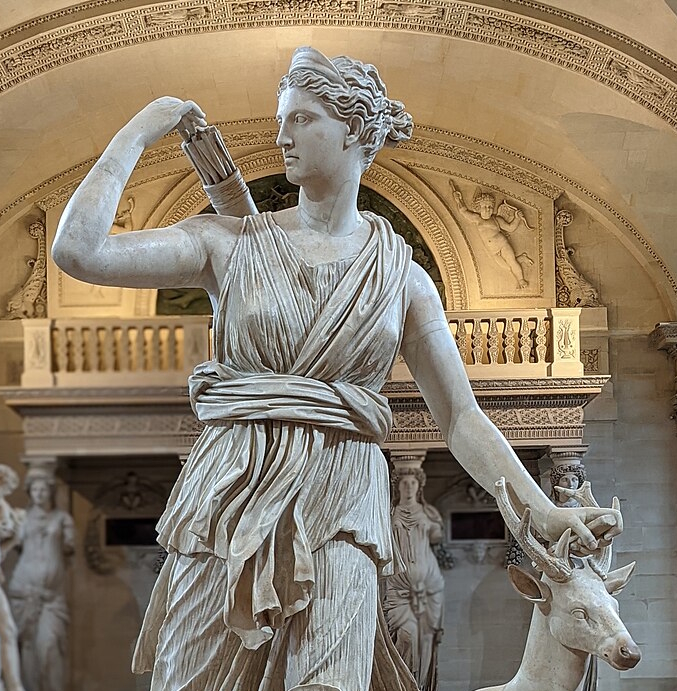
Diana of Versailles, a 2nd-century Roman statue.
Asteroids, Central main belt objects, Focus On, Libra discovery, Main belt objects

Focus On: (78) Diana

Roman lunar goddess. Initially revered as a huntress and patron of hunters, Diana later became associated with farms and the cultivated countryside, or where civilisation meets the wilderness. Like Hekate, she had dominion over roadways, particularly three-way crossroads, thereby giving her an underworld aspect. She also oversaw fertility, childbirth, the moon and celestial realms.
Focus On: (78) Diana Read Post »

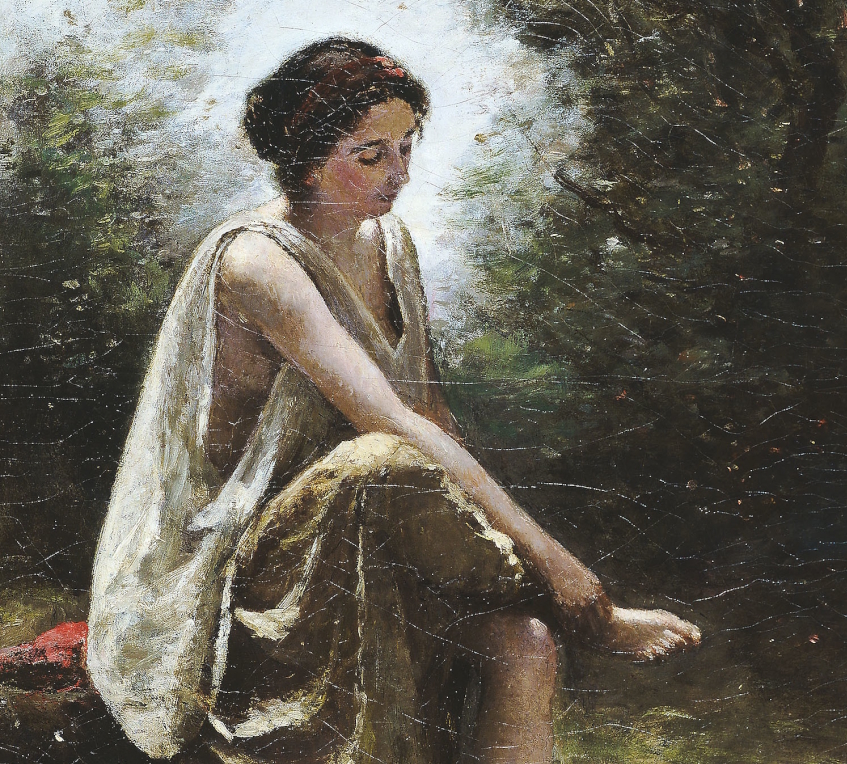
Detail of Wounded Eurydice (1868-70), oil on canvas painting by Jean-Baptiste-Camille Corot.
Aries discovery, Asteroids, Central main belt objects, Focus On, Main belt objects

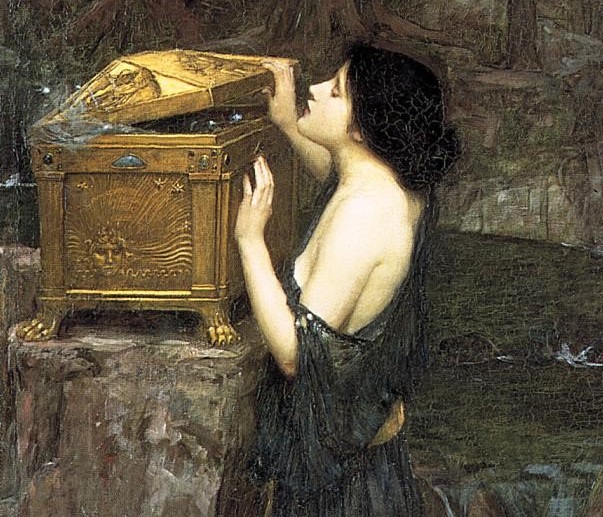
Focus On: (75) Eurydike

Name origin: Greek daughter of Apollo and wife of Orpheus. The main myth concerning Eurydike involves her death by snake bite, and Orpheus’ subsequent attempt to bring her back from the underworld, which failed at the last moment.

Focus On: (75) Eurydike Read Post »

Mosaic of Polyphemos and Galatea, Alcázar de los Reyes Cristianos.
Aries discovery, Asteroids, Central main belt objects, Focus On, Main belt objects

Focus On: (74) Galatea

Name origin: Greek – either a Nereid, or a mortal formed from a statue. Galateia was one of the fifty Nereides and the goddess of calm seas, wooed by Polyphemos with music, milk and cheese.

Focus On: (74) Galatea Read Post »

Marble relief featuring Leto with Zeus and their children, 420-410 BC, held at the Archaeological Museum of Brauron in Greece.
Asteroids, Central main belt objects, Focus On, Main belt objects, Scorpio discovery

Focus On: (68) Leto

Name origin: Greek goddess of motherhood. Leto was one of the Titanides, a bride of Zeus, and the mother of the twins Artemis and Apollo. Alongside her children, she was a protectress of the young. Her name and iconography suggest she also represented modesty and demure womanhood.

Focus On: (68) Leto Read Post »

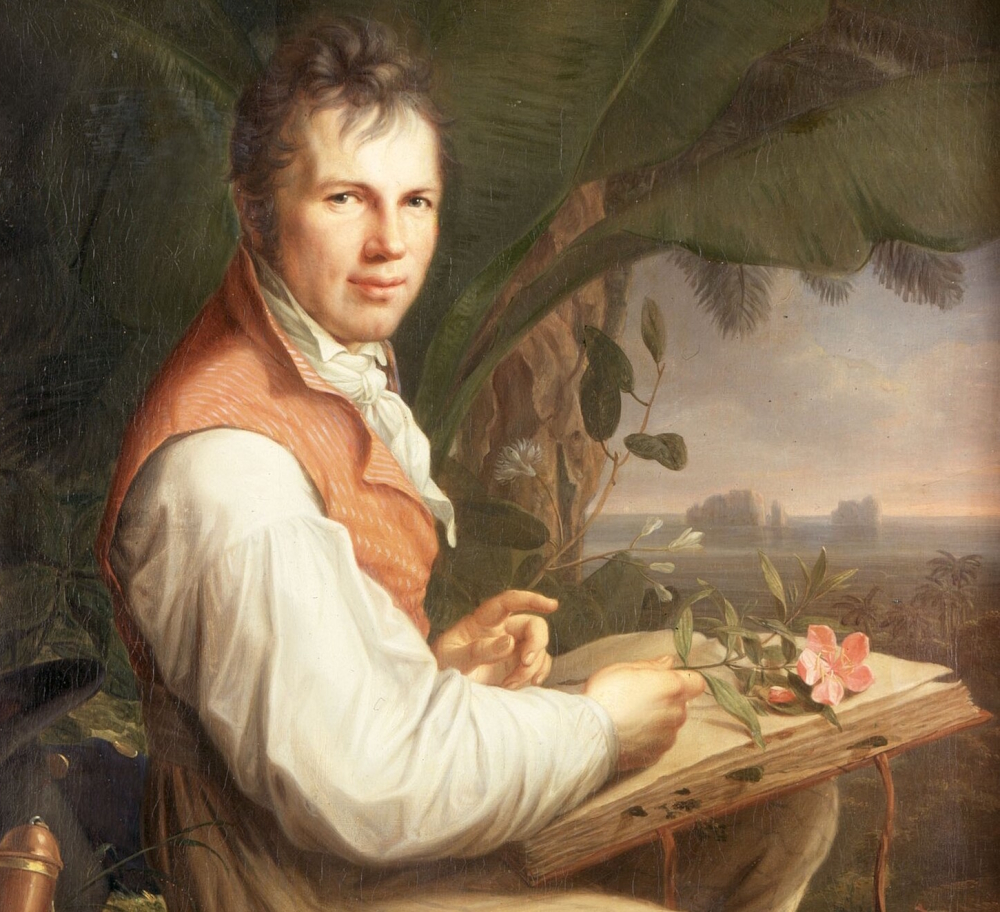
Detail from portrait of Alexander von Humboldt (1806) by Friedrich Georg Weitsch.
Aquarius discovery, Asteroids, Central main belt objects, Focus On, Main belt objects

Focus On: (54) Alexandra

Alexander von Humboldt (1769-1859), a German polymath whose work pioneered or foreshadowed biogeography, modern geomagnetic and meteorological monitoring, ecology and holistic views of the universe. He also helped establish geography as an independent scientific discipline.

Focus On: (54) Alexandra Read Post »

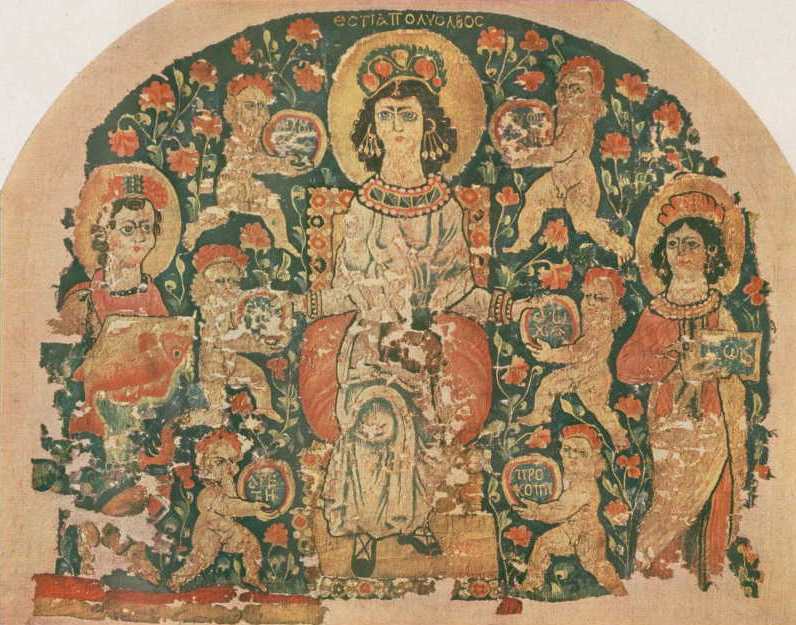
Hestia full of Blessings, 6th century tapestry from Egypt depicting Hestia seated on a throne, centre, giving out blessings in the form of pomegranates.
Aquarius discovery, Asteroids, Central main belt objects, Focus On, Hestia clump, Main belt objects

Focus On: (46) Hestia

Name origin: Greek goddess of the hearth (both private and municipal) and the home. Hestia presides over the cooking of bread and the preparation of the family meal. She was also the goddess of the sacrificial flame and received a share of every sacrifice to the gods.

Focus On: (46) Hestia Read Post »

Scroll to Top