
Focus On: (6235) Burney
Name origin: Venetia Phair (née Burney), who at age 11 was the first to suggest the name Pluto when said planet was discovered. She studied mathematics and became an accountant, and later a teacher.

Name origin: Venetia Phair (née Burney), who at age 11 was the first to suggest the name Pluto when said planet was discovered. She studied mathematics and became an accountant, and later a teacher.

Name origin: Jack B. Child (b. 1951), software engineer at JPL and Asteroid Project director of the World Space Foundation; honoured for his “generous helpfulness” and for introducing team members to the Palomar project.

Named for the ancient Indian philosophical principle of cause and effect: good actions and intent have good consequences; bad actions and intent have bad consequences. This can also refer to how a person’s actions affect who they become. (Note that the various theories of karma are generally much more complex than in popular media descriptions.)

Name origin: Important Egyptian underworld god, husband of Isis. Osiris was originally a local deity from Lower Egypt who may have been a personification of fertility in the chthonic realms. He evolved to represent both fertility and death/resurrection.

Name origin: Greek goddess of love, beauty, pleasure and procreation. As one of the principal Olympian gods, there are multiple myths about her.
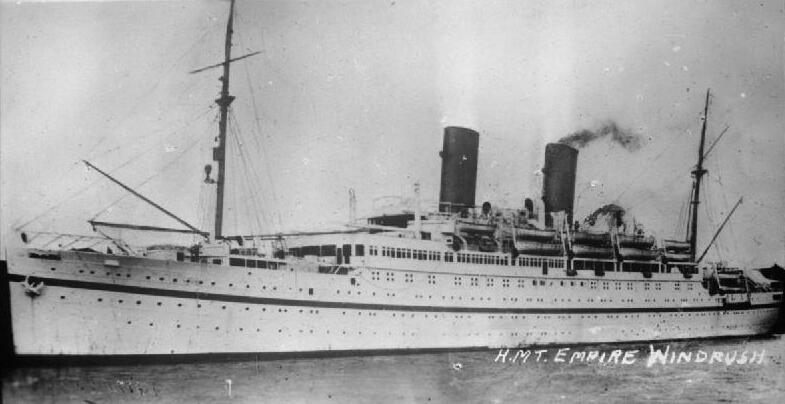
Probably named for the Monterosa, a ship used by the University of Hamburg on their outings on the North Sea.
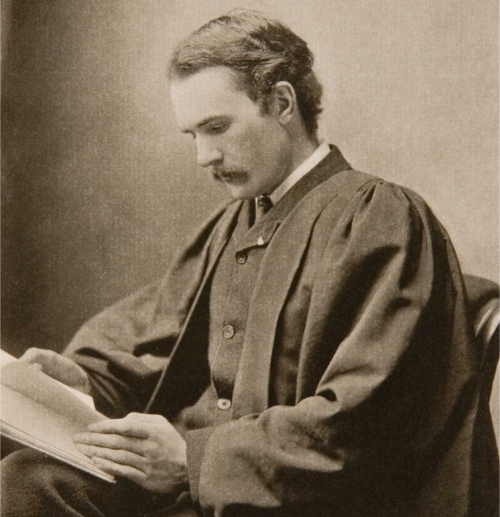
Australian-British professor Gilbert Murray (1866-1957) helped Austria recover from World War I in 1920. He was an outstanding scholar of Ancient Greek literature, language and culture. Involved in the League of Nations from 1916, he was also president of the Ethical Union (now Humanists UK) in 1929 and 1930, and a founder of Oxfam.
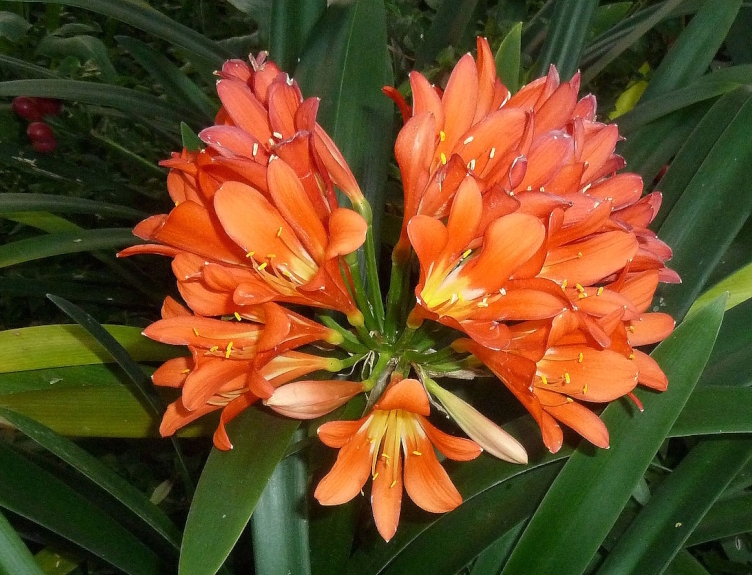
Name origin: Genus of perennial flowering plants native to southern Africa, commonly called the natal or bush lily. They have green, long leaves and mainly bell-shaped flowers, with berry fruits. The genus itself is named after Charlotte Percy (née Clive), who first cultivated the plant in the U.K.

Named in honour of Ernst Heinrich Bruns (1848-1919), a German mathematician and astronomer, who also contributed to the development of the field of theoretical geodesy (measurement of the Earth’s relative geometry, gravity and orientation over time). He was mainly engaged in developing the theoretical side of Earth’s shape.
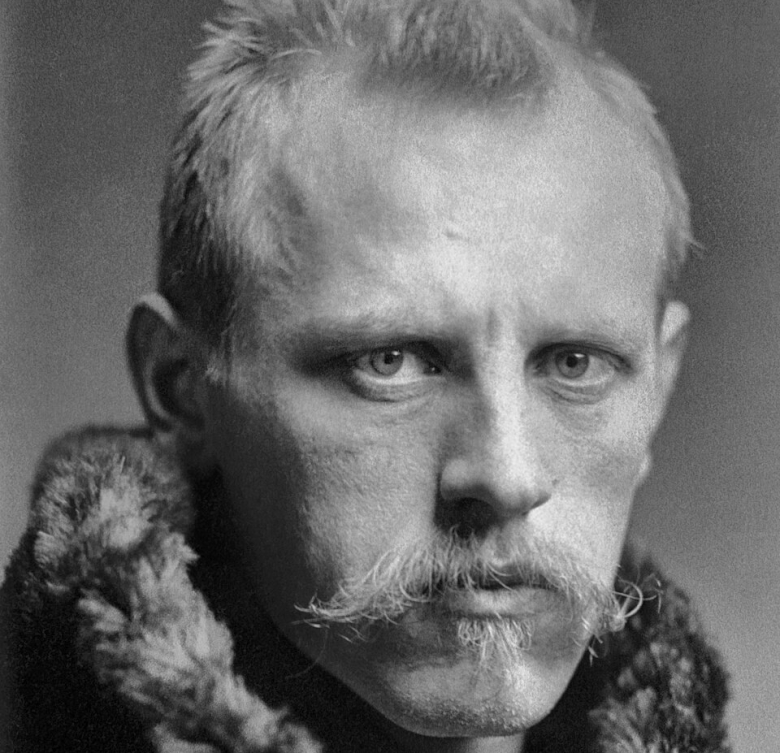
Name origin: Fridtjof Wedel-Jarlsberg Nansen (1861-1930), a Norwegian polymath, Nobel Peace Prize laureate, explorer, scientist, diplomat and humanitarian. He led the team that first crossed the interior of Greenland, reached a record northern latitude exploring to the North Pole, studied zoology and oceanography, and worked with the League of Nations.