Libra discovery

Minor planets discovered in Libra.

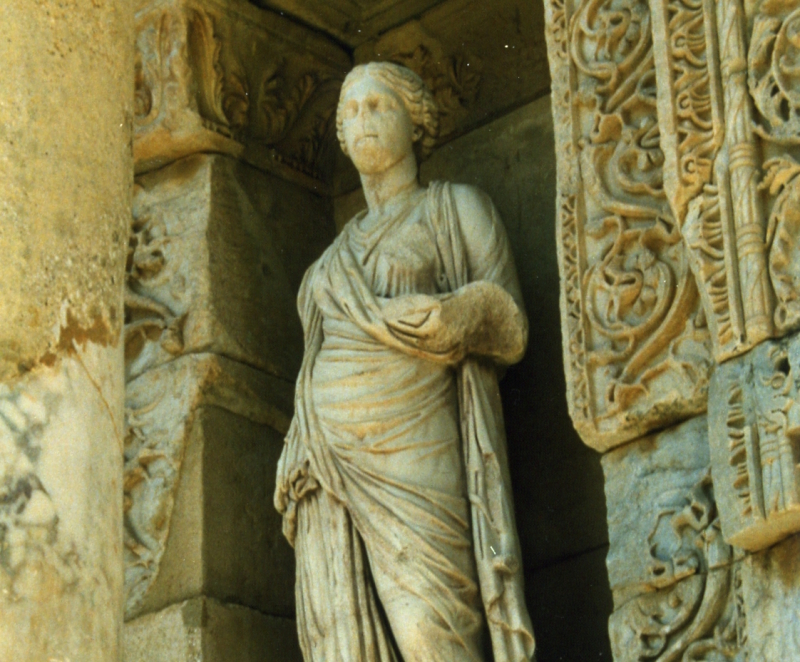
Statue of the personification of Wisdom (Koinē Greek: Σοφία, Sophía) at the Library of Celsus in Ephesus (second century CE); crop.
Asteroids, Central main belt objects, Focus On, Libra discovery, Main belt objects

Focus On: (275) Sapientia

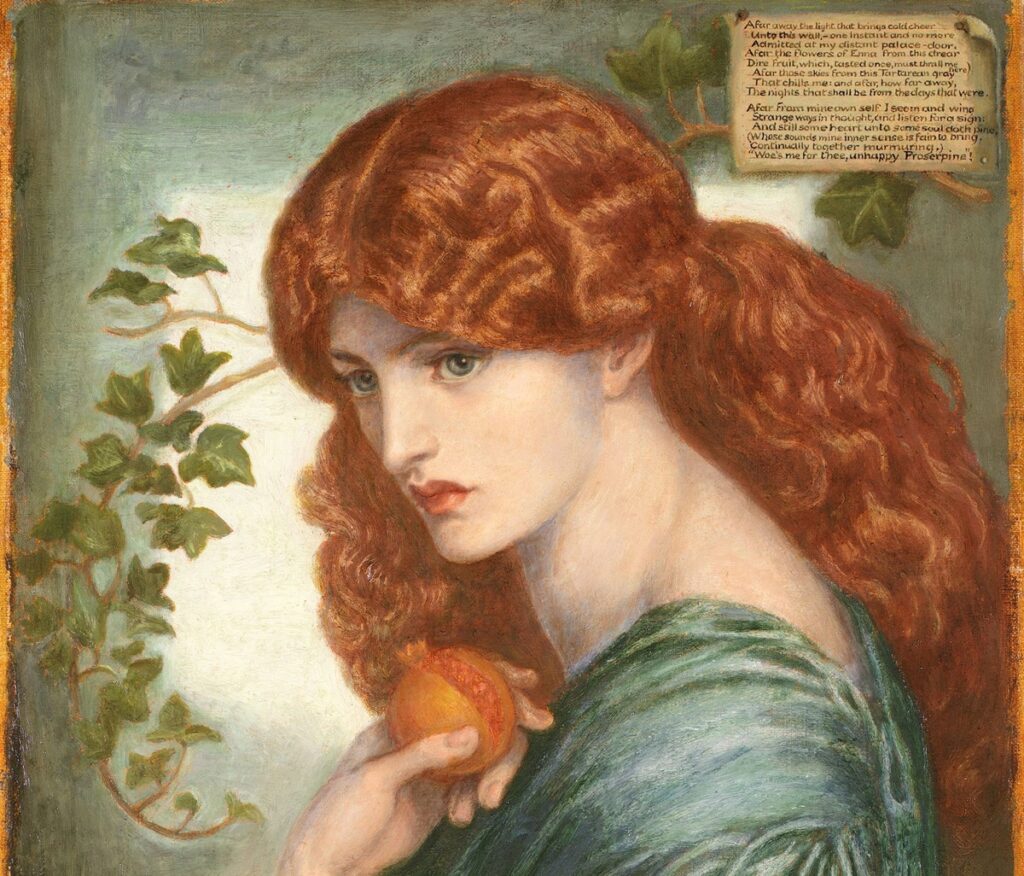
Sapientia is Latin for “wisdom”. The corresponding Ancient Greek term (Sophia) variously translates to “clever, skillful, intelligent, wise”; it also implies “skill in handicraft and art” in Homeric usage, which has been applied to both Hephaistos and Athene.

Focus On: (275) Sapientia Read Post »

Sunset over the Pacific Ocean as seen from the International Space Station. Tops of thunderclouds are also visible.
Asteroids, Central main belt objects, Focus On, Libra discovery, Main belt objects

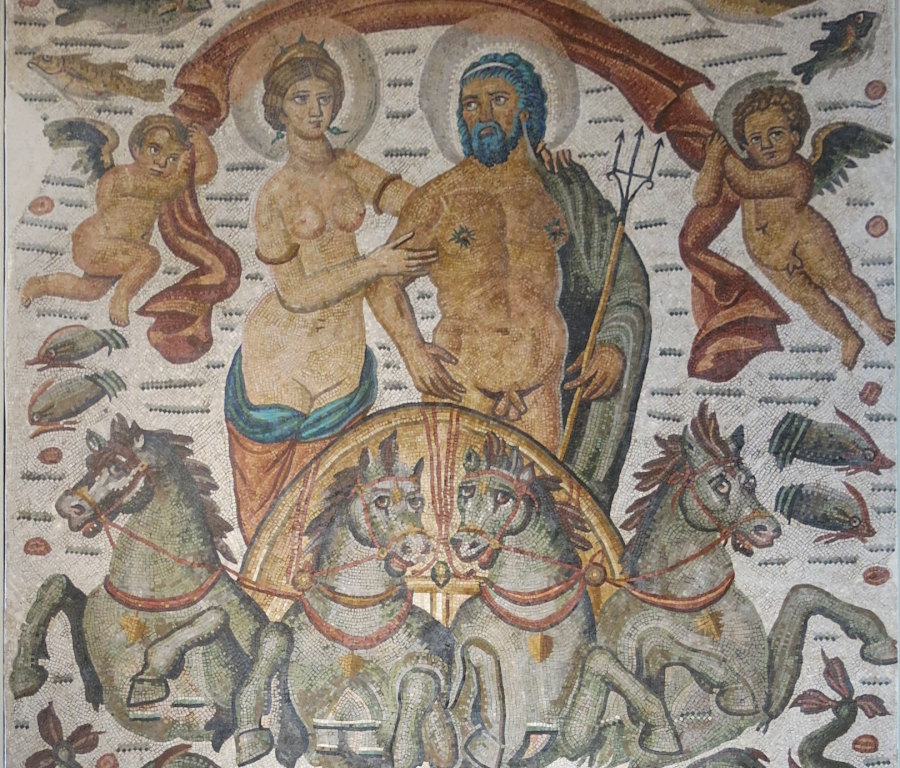
Focus On: (224) Oceana

Name origin: Pacific Ocean, the largest on the planet, which covers approximately 46% of Earth’s water surface and about 32% of its total surface, more than its entire land area. Mean depth is 4km; the Challenger Deep in the Mariana Trench reaches 10.9km. The ocean straddles the International Date Line.

Focus On: (224) Oceana Read Post »

Asteroids, Central main belt objects, Focus On, Libra discovery, Main belt objects

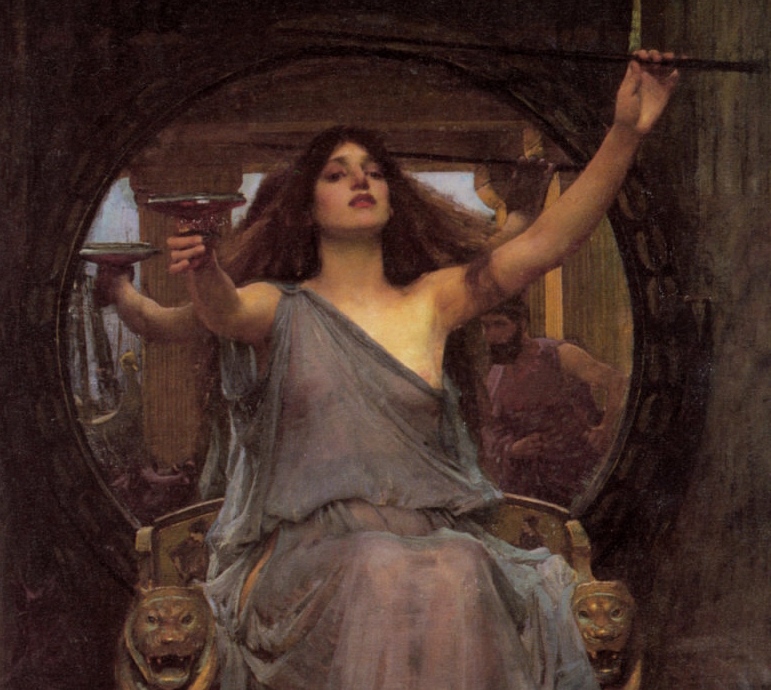
Focus On: (216) Kleopatra

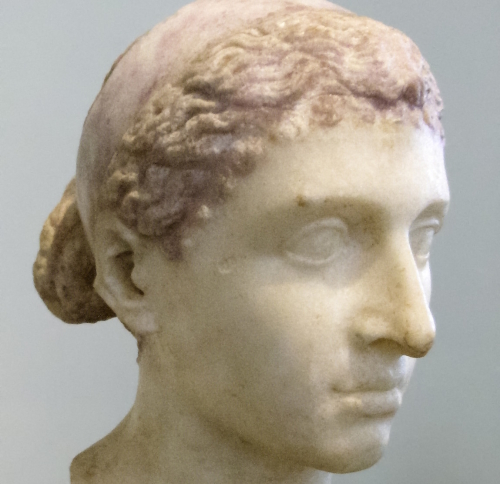
Name origin: Cleopatra, queen of Egypt from about 50 BCE to her death in 30 BCE. Realising she needed Rome’s help to sustain her nation, she became the lover of Julius Caesar and, later, the wife of Mark Antony. However, during the war between Antony and Octavian (Augustus), Antony was defeated and Cleopatra’s kingdom was finally annexed by Rome.

Focus On: (216) Kleopatra Read Post »

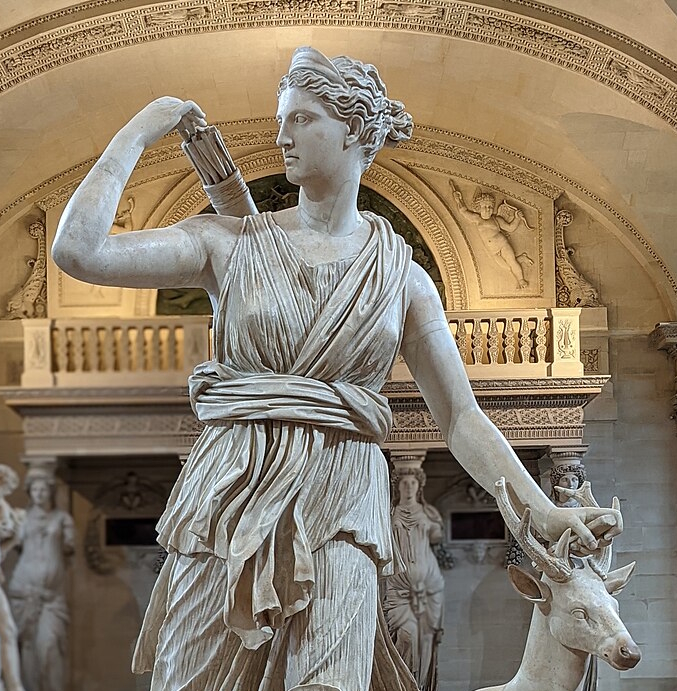
Diana of Versailles, a 2nd-century Roman statue.
Asteroids, Central main belt objects, Focus On, Libra discovery, Main belt objects

Focus On: (78) Diana

Roman lunar goddess. Initially revered as a huntress and patron of hunters, Diana later became associated with farms and the cultivated countryside, or where civilisation meets the wilderness. Like Hekate, she had dominion over roadways, particularly three-way crossroads, thereby giving her an underworld aspect. She also oversaw fertility, childbirth, the moon and celestial realms.

Focus On: (78) Diana Read Post »

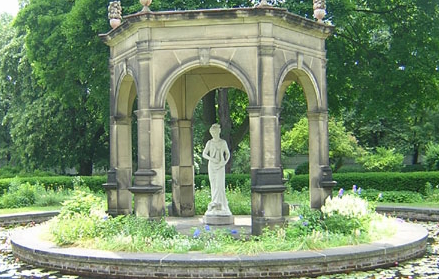
Detail from photo of a statue to Harmonia in the Harmony Society gardens, Old Economy Village (now Ambridge), PA. The statue is photographed from a distance; it is in the centre of an ornate hexagonal stone gazebo surrounded by a ring of wild flowers, on a stand in the middle of a pond. Harmonia is depicted standing, head slightly bowed, holding what appears to be a lyre.
Asteroids, Focus On, Inner main belt objects, Libra discovery, Main belt objects

Focus On: (40) Harmonia

Harmonia was a daughter of Ares and Aphrodite and as such ruled both marital and martial harmony. Later classical writers sometimes gave her a more abstract representation, as a deity who presided over cosmic balance. She was considered the opposite of Eris.

Focus On: (40) Harmonia Read Post »

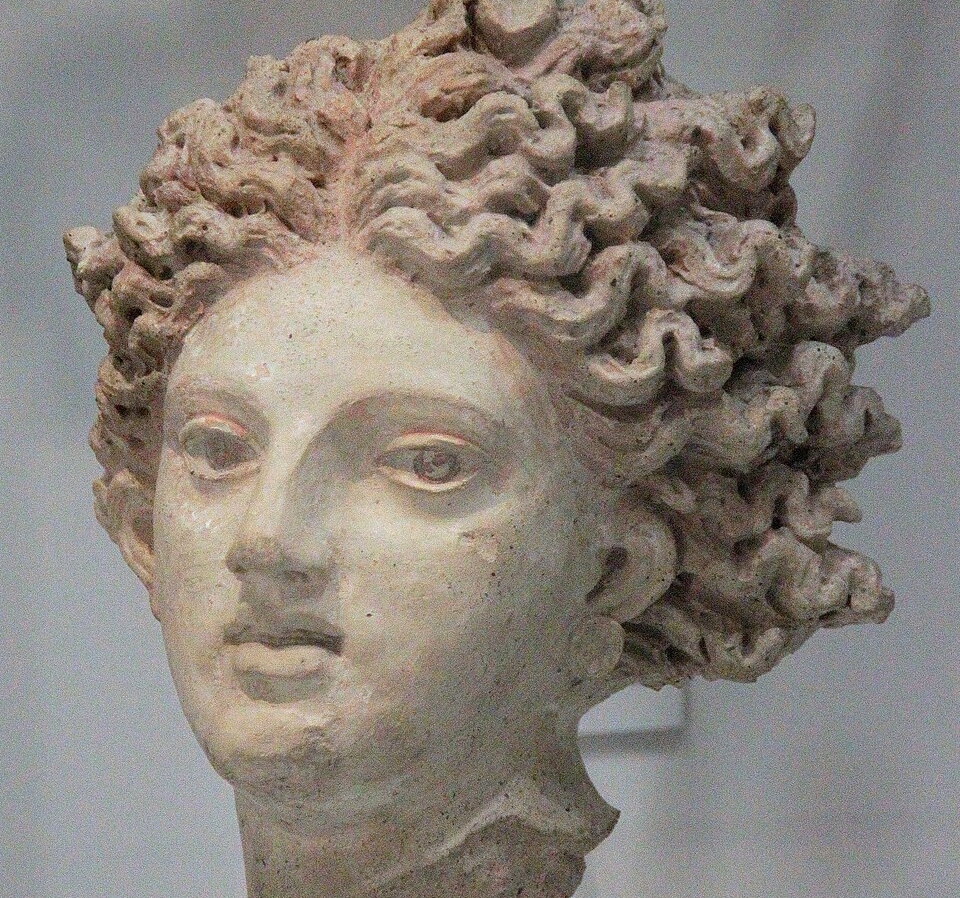
Detail of Leucothea, an Etruscan sculpture from Pyrgi, c. 350 BCE. The head only survives; she is looking at the observer with a slightly apprehensive expression. The lips are gently parted; the hair is thick and wavy.
Asteroids, Focus On, Libra discovery, Main belt objects, Outer main belt objects

Focus On: (35) Leukothea

Leukothea was born a mortal princess named Ino. Along with Athamas, her husband, she incurred the wrath of Hera for fostering the infant Dionysos. As punishment, Hera drove Athamas into a murderous rage, in which he killed his eldest child. Ino took the other, and leapt off a cliff into the sea. Both became sea gods.

Focus On: (35) Leukothea Read Post »

Scroll to Top