Venus resonance

Minor planets in estimated resonance with Venus.

Filippino Lippi (1457-1504): Five Sibyls Seated in Niches: the Samian, Cumean, Hellespontic, Phrygian and Tiburtine, c. 1465-1470.
Aries discovery, Asteroids, Cybele group, Focus On, Main belt objects, Outer main belt objects

Focus On: (168) Sibylla

Named after the Sibyls, oracles in ancient Greece. Originally there may have been just one Sibyl at a time, but the number eventually increased to nine or ten. Bases included Delphi, Samos, Delos and Clarus. The etymology of the term’s source is unknown.
Focus On: (168) Sibylla Read Post »

Orestes, Elektra and Hermes at the tomb of Agamemnon. Lucanian red-figure pelike dated c. 380-370 BCE, by the Choephoroi Painter.
Asteroids, Focus On, Leo discovery, Main belt objects, Outer main belt objects

Focus On: (130) Elektra

Name origin: Greek mythical daughter of Agamemnon and Klytaemnestra. After their mother murders their father, Elektra and her brother Orestes plot to kill Klytaemnestra and her lover Aegisthus in revenge, on the orders of the Delphic Oracle.

Focus On: (130) Elektra Read Post »

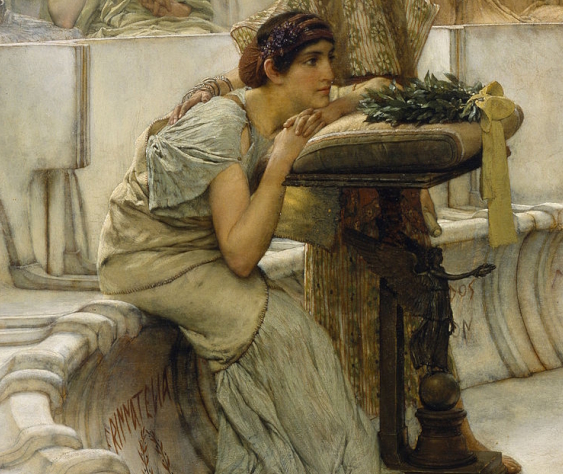
Detail of Sappho and Alcaeus (1881), oil painting by Sir Lawrence Alma-Tadema.
Asteroids, Focus On, Inner main belt objects, Main belt objects, Sagittarius discovery

Focus On: (80) Sappho

Sappho (c.630-570 BCE) was an ancient Greek lyric poet and musician from the island of Lesbos. Widely regarded as an outstanding writer, she was called the Tenth Muse; sadly, much of her work, in total estimated at around 10,000 lines, has been lost. Her poetry is still influential today.

Focus On: (80) Sappho Read Post »

Mosaic of Polyphemos and Galatea, Alcázar de los Reyes Cristianos.
Aries discovery, Asteroids, Central main belt objects, Focus On, Main belt objects

Focus On: (74) Galatea

Name origin: Greek – either a Nereid, or a mortal formed from a statue. Galateia was one of the fifty Nereides and the goddess of calm seas, wooed by Polyphemos with music, milk and cheese.

Focus On: (74) Galatea Read Post »

Marble relief featuring Leto with Zeus and their children, 420-410 BC, held at the Archaeological Museum of Brauron in Greece.
Asteroids, Central main belt objects, Focus On, Main belt objects, Scorpio discovery

Focus On: (68) Leto

Name origin: Greek goddess of motherhood. Leto was one of the Titanides, a bride of Zeus, and the mother of the twins Artemis and Apollo. Alongside her children, she was a protectress of the young. Her name and iconography suggest she also represented modesty and demure womanhood.

Focus On: (68) Leto Read Post »

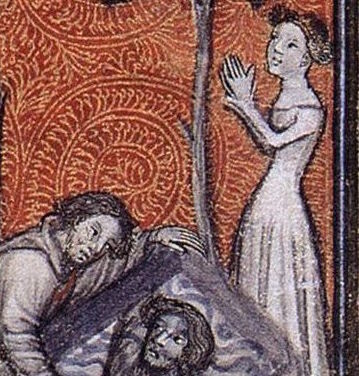
Detail of an illustration of the Spring of Narcissus from the 13th-century Le Roman de la Rose.
Asteroids, Focus On, Inner main belt objects, Main belt objects, Pisces discovery

Focus On: (60) Echo

Zeus ordered Ekho to protect him when he was dallying with her fellow nymphs. She did this by engaging his wife Hera in chat when about to discover her husband’s infidelity. As punishment, Hera cursed Ekho by only allowing her to repeat another’s words. Afterwards, Ekho fell in love with the mortal Narcissus, who spurned her. He wasted away pining for his own reflection, and she eventually did the same in mourning for him.

Focus On: (60) Echo Read Post »

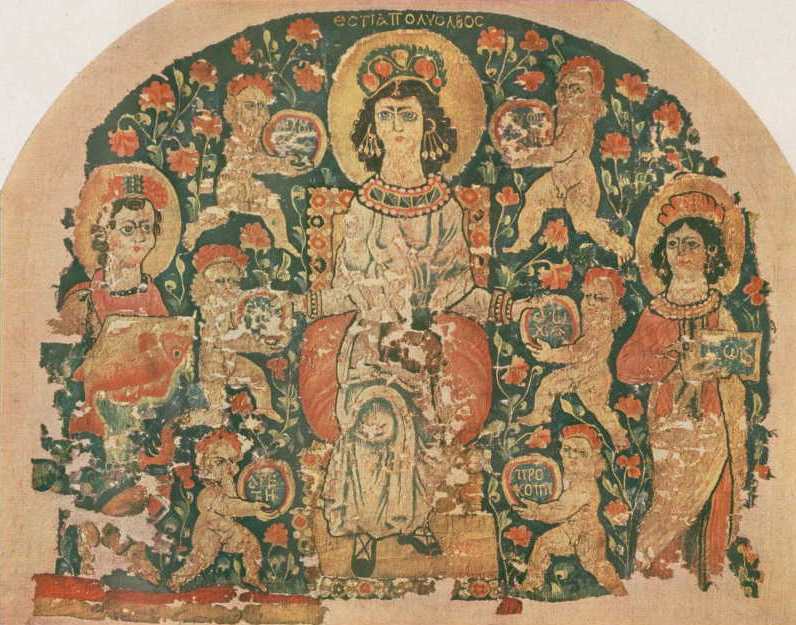
Hestia full of Blessings, 6th century tapestry from Egypt depicting Hestia seated on a throne, centre, giving out blessings in the form of pomegranates.
Aquarius discovery, Asteroids, Central main belt objects, Focus On, Hestia clump, Main belt objects

Focus On: (46) Hestia

Name origin: Greek goddess of the hearth (both private and municipal) and the home. Hestia presides over the cooking of bread and the preparation of the family meal. She was also the goddess of the sacrificial flame and received a share of every sacrifice to the gods.

Focus On: (46) Hestia Read Post »

Scroll to Top