
Focus On: (27) Euterpe
Name origin: Greek Muse of lyric poetry. Euterpe’s attribute was the double flute. Her name is derived from two Greek words meaning “giver of much delight.”

Name origin: Greek Muse of lyric poetry. Euterpe’s attribute was the double flute. Her name is derived from two Greek words meaning “giver of much delight.”
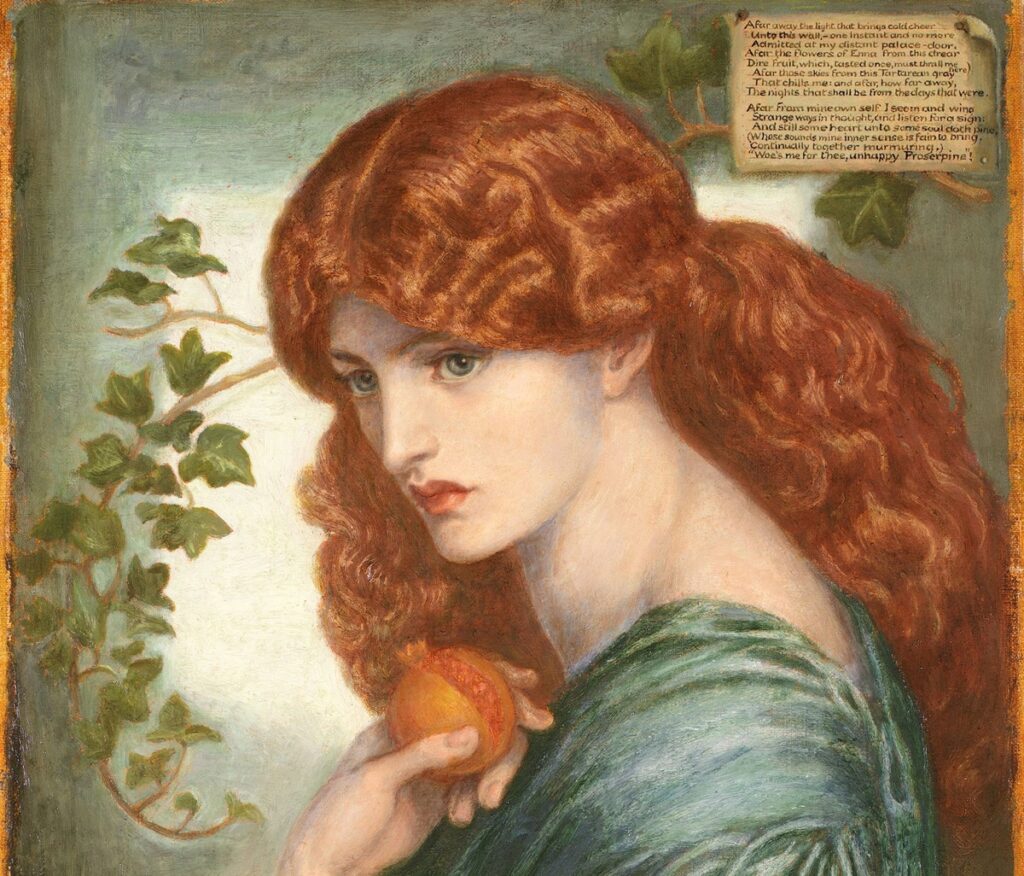
Name origin: Roman goddess and queen of the underworld. Equivalent of the Greek Persephone, with virtually identical mythology. She was combined with, or replaced, the ancient Roman fertility goddess Libera.

Name origin: Roman goddess of fortune and fate, and the personification of luck.

Name origin: Greek sea goddess and the leader of the fifty Nereides. Like many other sea gods, Thetis possessed the gift of prophecy and power to change her shape at will.

Name origin: Greek goddess of good order, civic stability and lawful conduct.

Name origin: Roman nymph, wife and counsellor of king Numa Pompilius.

Name origin: Greek nymph, one of the Seirenes (Sirens) – three monstrous sea-nymphs who lured sailors to their death with a bewitching song.

Name origin: Roman goddess of the hearth fire. Vesta was held in high regard in Roman culture, where she was worshipped with a perpetual fire guarded by the Vestal Virgins.

Name origin: Roman goddess representing various spheres, including fertility, brides, war, lunar cycles, beginnings, youth, liveliness and strength, and multiple others.

Name origin: Pallas Athene, Greek goddess of wisdom and good counsel, war, the defence of towns, heroic endeavour, weaving, pottery and various other crafts.