
Focus On: (27) Euterpe
Name origin: Greek Muse of lyric poetry. Euterpe’s attribute was the double flute. Her name is derived from two Greek words meaning “giver of much delight.”

Name origin: Greek Muse of lyric poetry. Euterpe’s attribute was the double flute. Her name is derived from two Greek words meaning “giver of much delight.”
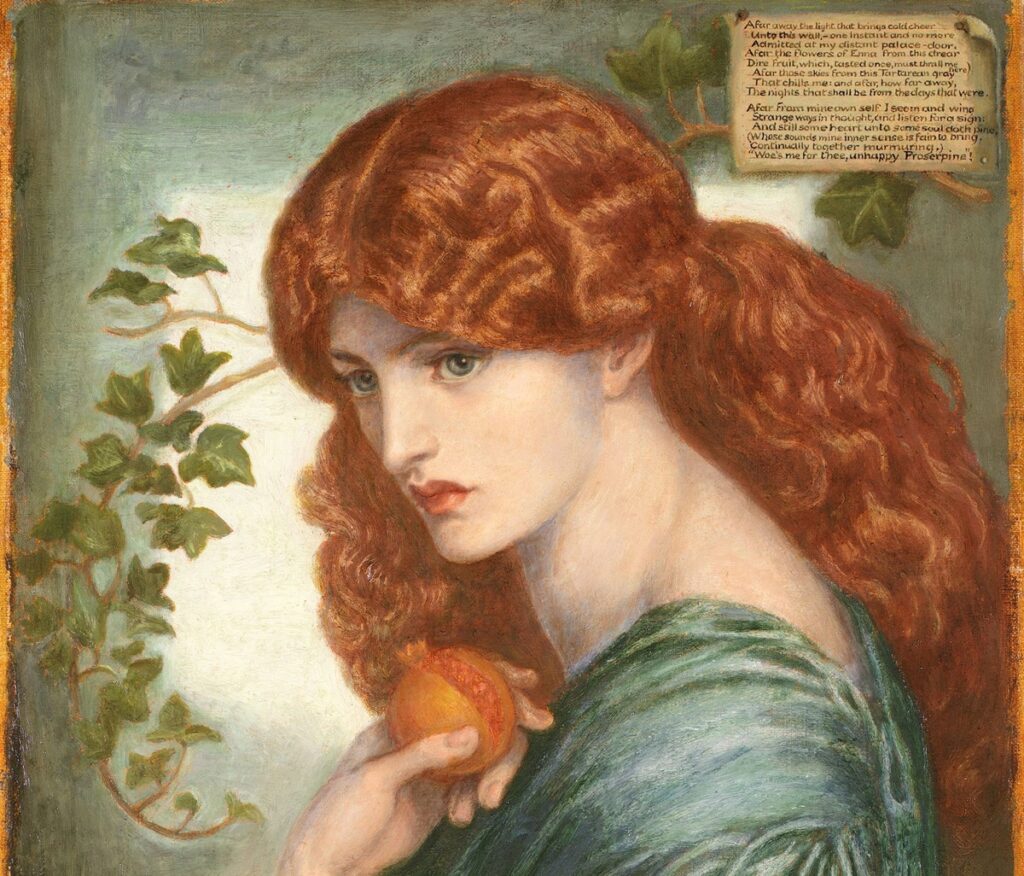
Name origin: Roman goddess and queen of the underworld. Equivalent of the Greek Persephone, with virtually identical mythology. She was combined with, or replaced, the ancient Roman fertility goddess Libera.

Name origin: Greek Titan goddess of divine law and order. Themis presides specifically over the traditional rules of conduct first established by the gods. She was also a prophetic goddess who presided over the most ancient oracles, including Delphi.

Name origin: Ancient Greek muse of comedy and bucolic poetry. ‘Thalia’ translates to “Rich Festivity” or “Blooming”. Possibly, with Apollo, parent of the Korybantes, worshippers of Cybele.

Name origin: Ancient Greek Muse of eloquence and epic poetry. Kalliope was the eldest of the Muses, depicted in older art with a lyre, and later with a tablet and stylus or a scroll.

Name origin: Latin name for Paris, the capital city of France, where the asteroid was discovered (the full name being Lutetia Parisiorum, “Lutetia of the Parisii”).

Name origin: Latin name for the French city of Marseille, from which the independent discover Jean Chacornac sighted it the night following de Gasparis’ discovery.

Name origin: Roman goddess of fortune and fate, and the personification of luck.

Name origin: Greek muse of tragedy. Literal translation: ‘to sing’ or ‘the one that is melodious’; initially the muse of chorus.
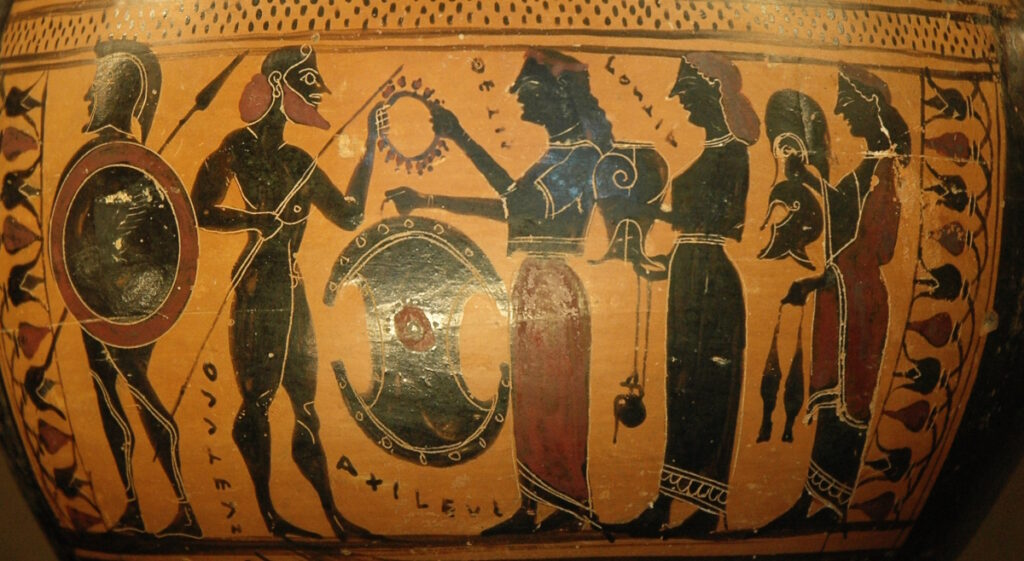
Name origin: Greek sea goddess and the leader of the fifty Nereides. Like many other sea gods, Thetis possessed the gift of prophecy and power to change her shape at will.