Asteroids

Minor planets in the asteroid class.

Filippino Lippi (1457-1504): Five Sibyls Seated in Niches: the Samian, Cumean, Hellespontic, Phrygian and Tiburtine, c. 1465-1470.
Aries discovery, Asteroids, Cybele group, Focus On, Main belt objects, Outer main belt objects

Focus On: (168) Sibylla

Named after the Sibyls, oracles in ancient Greece. Originally there may have been just one Sibyl at a time, but the number eventually increased to nine or ten. Bases included Delphi, Samos, Delos and Clarus. The etymology of the term’s source is unknown.
Focus On: (168) Sibylla Read Post »

Aquarius discovery, Asteroids, Central main belt objects, Focus On, Main belt objects

Focus On: (166) Rhodope

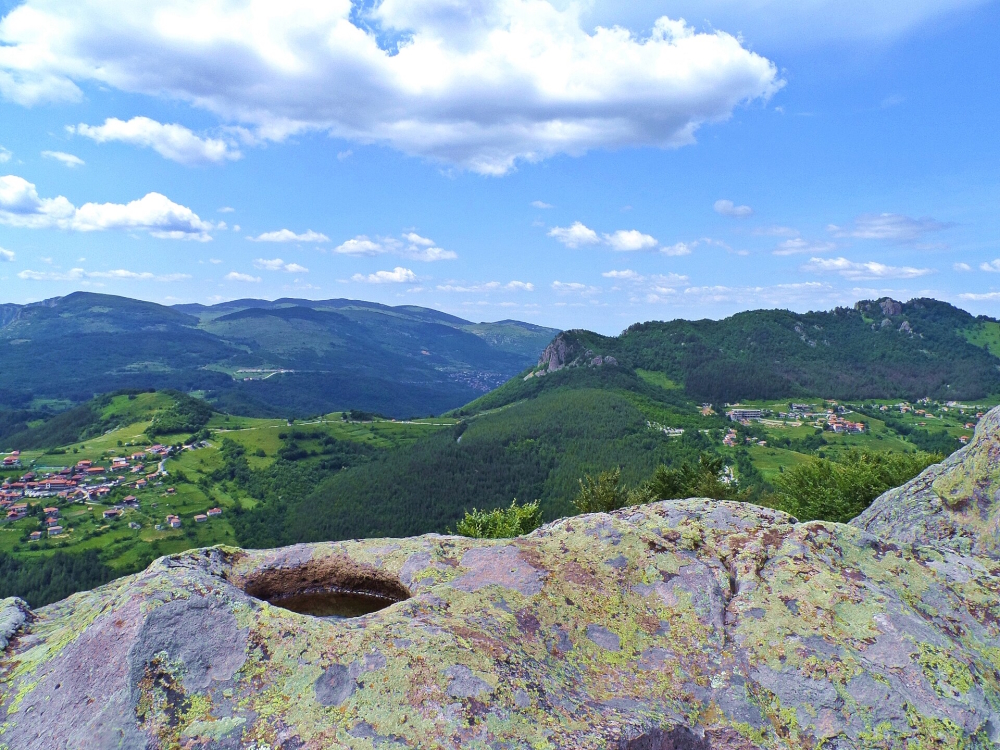
Name origin: Greek Oreiad nymph. Rhodope was a queen of Thrace and the wife of Haemus. The pair grew hubristic, comparing themselves to Zeus and Hera, and were both turned into mountains as punishment. The Rhodope Mountains in Bulgaria and Greece are named after her.

Focus On: (166) Rhodope Read Post »

Close-up photo of a carrion crow (Corvus corone) perching on a tree branch in Southend-on-Sea, U.K. The crow faces the camera with its head slightly tilted to the viewer's left.
Asteroids, Cancer discovery, Focus On, Koronis family, Main belt objects, Outer main belt objects

Focus On: (158) Koronis

Name origin: Thessalian princess in Greek myth, loved by the god Apollo. During her pregnancy, Koronis had an affair with a man named Iskhys; a raven informed Apollo of this, and either he or his sister Artemis killed her as a consequence. Later he felt remorse, and in anger against the raven turned its white feathers black.

Focus On: (158) Koronis Read Post »

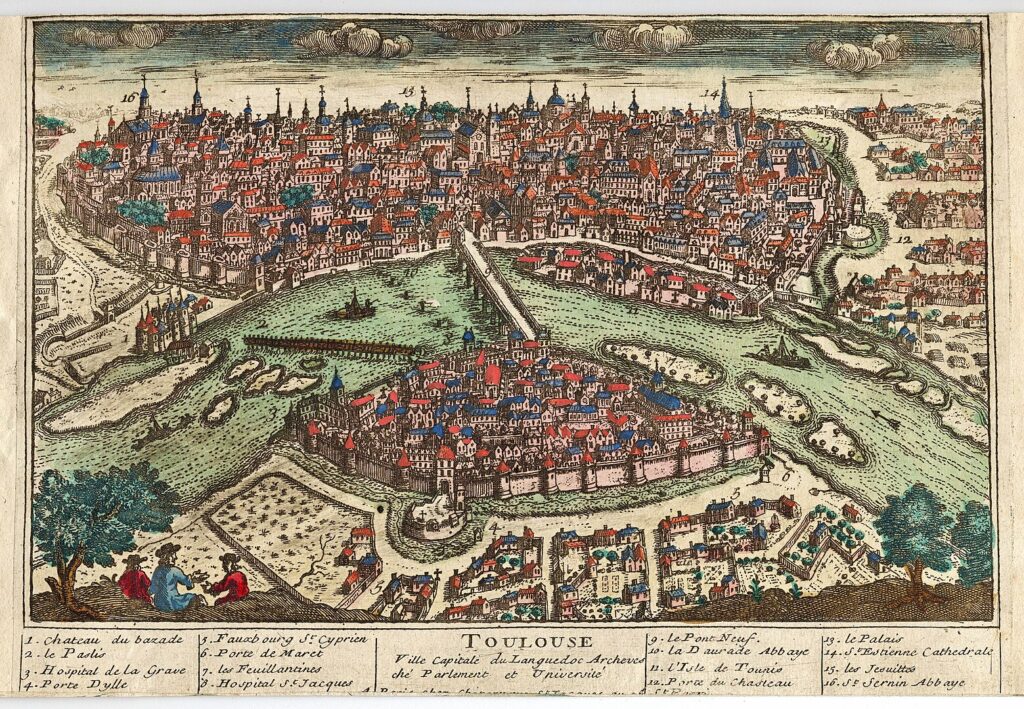
1650 etching in colour displaying a view of Toulouse from the west and noting its status as capital of the former French province Languedoc.
Asteroids, Focus On, Inner main belt objects, Main belt objects, Sagittarius discovery

Focus On: (138) Tolosa

Name origin: Toulouse in France, where the asteroid was discovered. Schmadel says the city was celebrated for the cultivation of the sciences; it is home to one of the oldest universities in Europe (founded in 1229) and several prestigious higher education schools, most notably in aerospace engineering.

Focus On: (138) Tolosa Read Post »

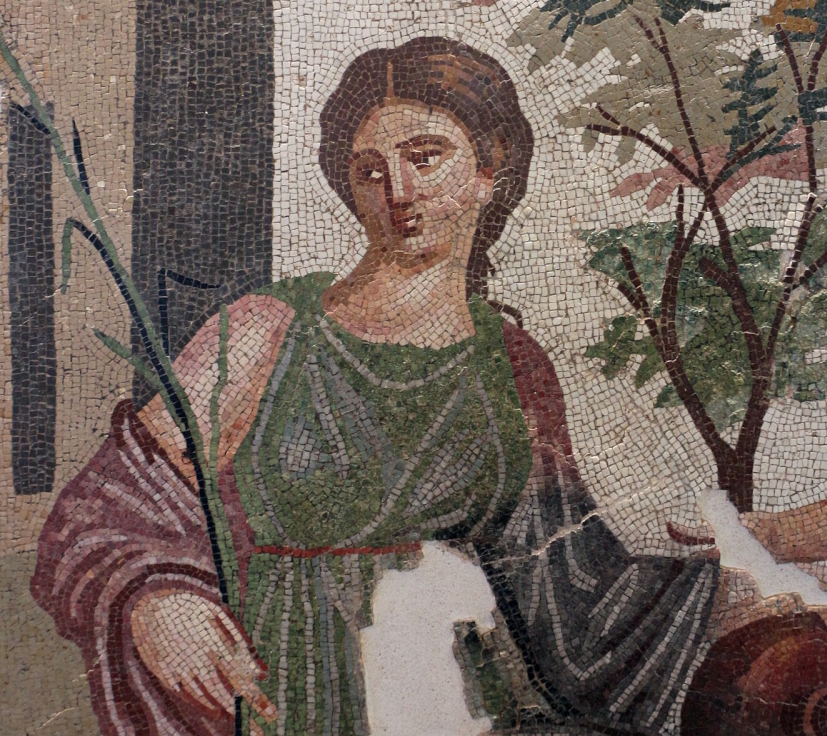
Detail of mosaic featuring Cyrene from the 2nd century CE, at the Lambaesis archaeological site, Algeria.
Asteroids, Focus On, Hecuba gap objects, Main belt objects, Outer main belt objects, Pisces discovery

Focus On: (133) Cyrene

Name origin: Thessalian princess in Greek myth. Kyrene was the daughter of King Hypseus of the Lapiths. She was a famed huntress who guarded her father’s herds on Mount Pelion, killing predators. One day, when she was wrestling a lion, the god Apollo saw her and at once fell in love. He carried her to the Hill of Myrtles (Myrtoessa) in Libya, where she bore him a son named Aristaios.

Focus On: (133) Cyrene Read Post »

Orestes, Elektra and Hermes at the tomb of Agamemnon. Lucanian red-figure pelike dated c. 380-370 BCE, by the Choephoroi Painter.
Asteroids, Focus On, Leo discovery, Main belt objects, Outer main belt objects

Focus On: (130) Elektra

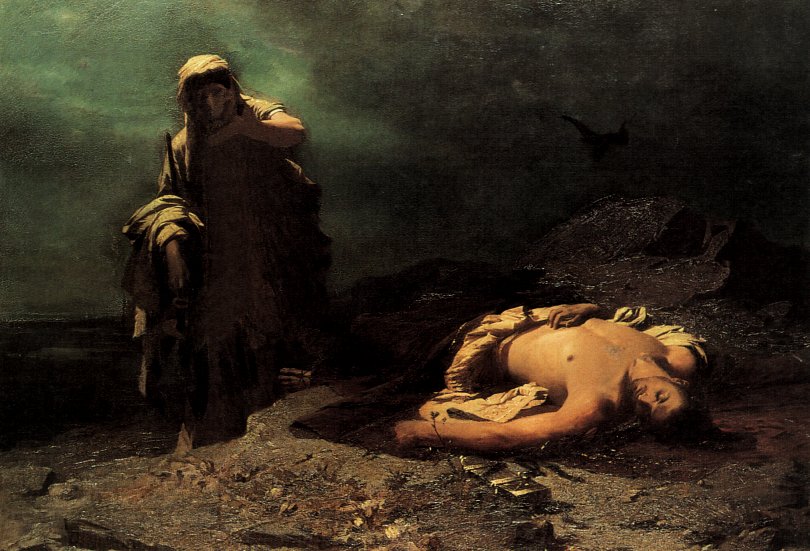
Name origin: Greek mythical daughter of Agamemnon and Klytaemnestra. After their mother murders their father, Elektra and her brother Orestes plot to kill Klytaemnestra and her lover Aegisthus in revenge, on the orders of the Delphic Oracle.

Focus On: (130) Elektra Read Post »

Asteroids, Central main belt objects, Focus On, Liberatrix family, Main belt objects, Pisces discovery

Focus On: (125) Liberatrix

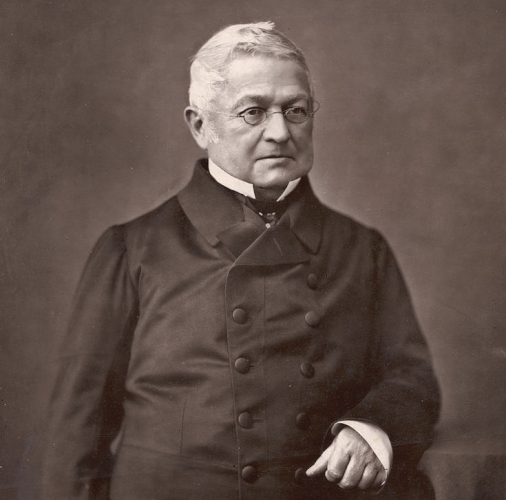
According to Schmadel, the naming “very probably is an allusion to the liberation of France at the time of the discovery.” The liberation here referred to is the Franco-Prussian war in 1870; this choice may have been intended to honour Adolphe Thiers, first president of the French Republic, who negotiated the removal of Prussian troops from France.

Focus On: (125) Liberatrix Read Post »

Scroll to Top